How to Build Fantasy Trade Routes That Make Your World Feel Real
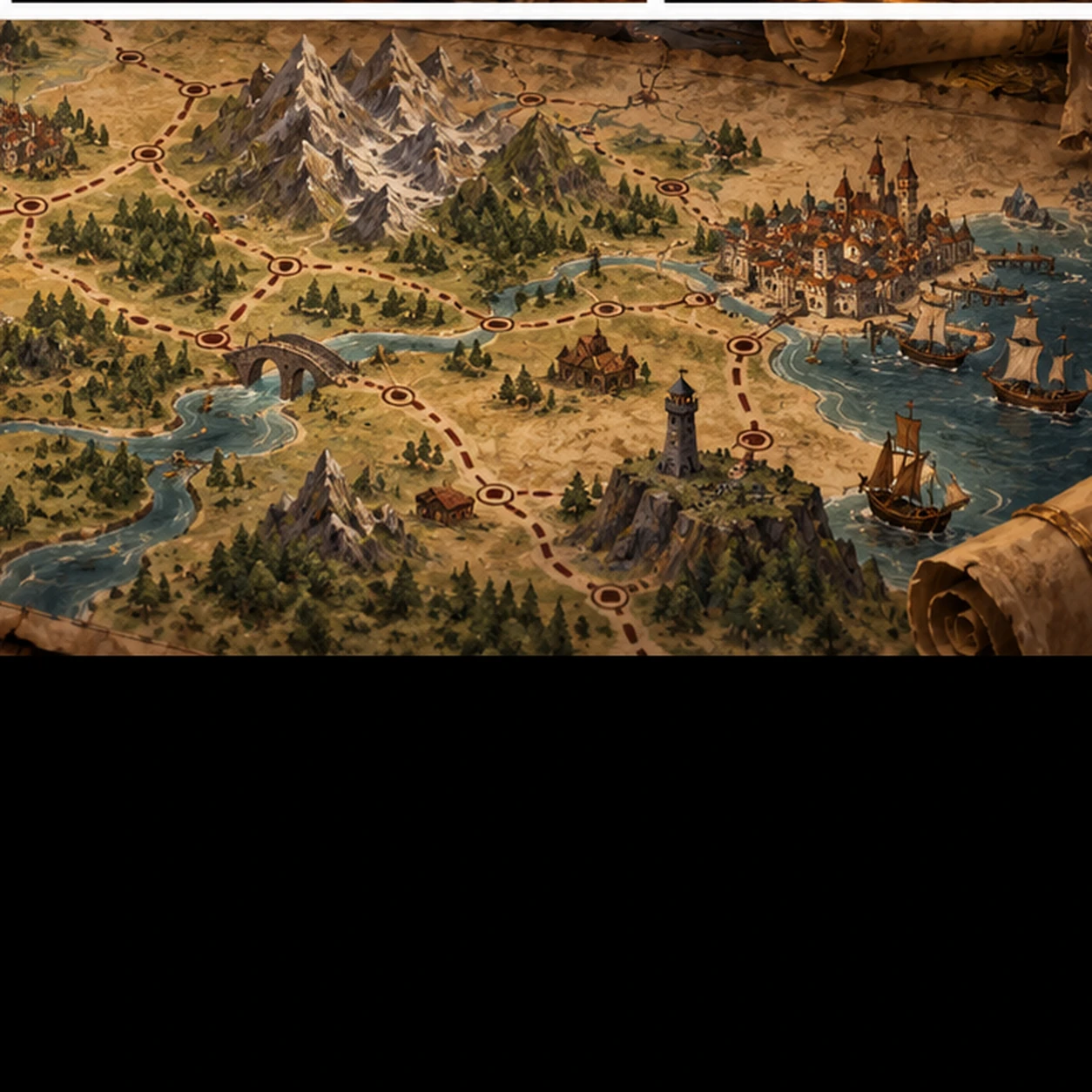
Fantasy trade routes are one of the fastest ways to make a map feel like a world instead of a collection of place names.
Trade explains why cities grow where they do, why one kingdom cares about a mountain pass, why a coastal town becomes wealthy, and why an ordinary material can become extremely valuable hundreds of miles from where it is produced.
You do not need to build a complete economy. You only need to answer a few practical questions about what people need and how they move it.
Start With What Each Region Has
Trade begins because places are different.
Give each major region two or three things it can produce well. That might be grain, timber, salt, wool, glass, medicinal herbs, paper, horses, dyes, ceramics, fish, metal, magical ingredients, or skilled labor.
Then give the same region something it lacks.
A forest kingdom may have excellent timber but little farmland. A fertile river valley may grow enormous amounts of grain but depend on distant mines for metal. An island city may control rare magical coral but import most of its food.
If every region can produce everything it needs, long-distance trade has little reason to exist.
Let Geography Draw the First Routes
Before drawing roads, look at the land.
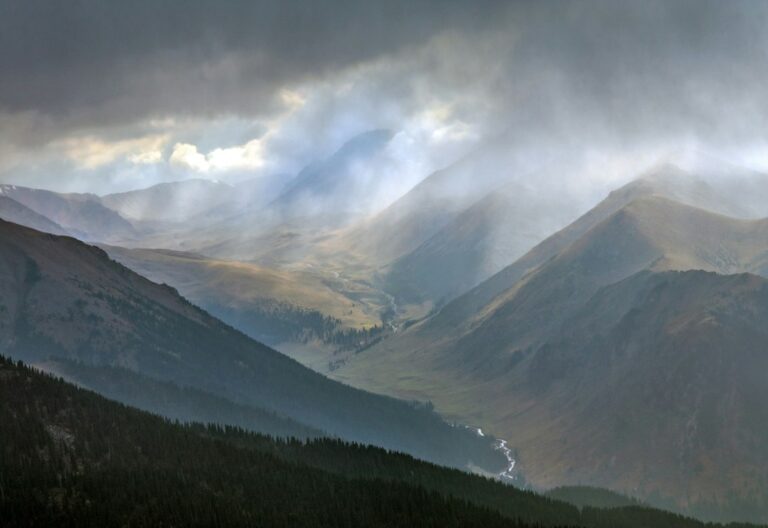
People usually prefer routes that are predictable, affordable, and easy to maintain. Rivers, coastlines, valleys, plains, and mountain passes naturally become important corridors.
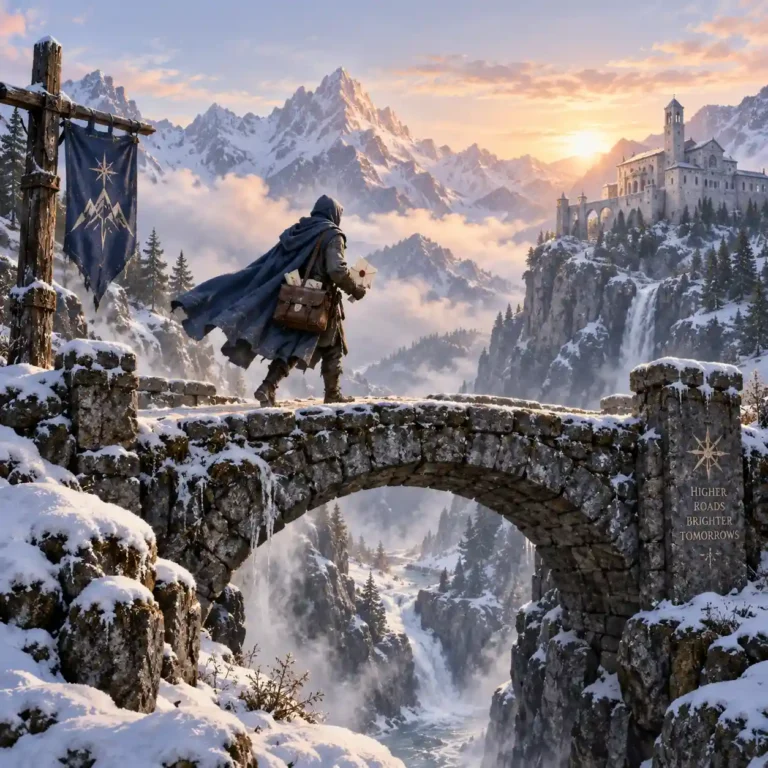
A road crossing a huge mountain range should have a reason to exist. Perhaps it reaches the only safe pass. Maybe an old empire built it. Maybe magic keeps it clear during winter.
When the route has a reason, the settlements along it gain reasons too.
Build Around Bottlenecks
Bottlenecks create some of the best worldbuilding.
A narrow pass, a bridge, a canal, a safe harbor, a ferry crossing, or a portal network can concentrate wealth and political attention in one place.
Ask who controls that bottleneck. Do they charge fees? Maintain roads? Guarantee safe passage? Set rules about what may cross?
A small town can become surprisingly important if every merchant moving between two regions has to pass through it.
Decide What Makes a Route Worth the Cost
Not every object is worth transporting across a continent.
Lightweight, rare, durable, or high-value goods usually travel farther than bulky everyday materials. Grain may move along a river because boats make bulk transport practical. Rare dyes or enchanted inks may travel by caravan because a small amount is worth a great deal.
This creates useful differences between local markets and long-distance trade.
It also gives your characters a way to understand distance. A village close to a salt source may treat salt as ordinary. A remote mountain settlement may treat it as a valuable imported necessity.
Make Seasons Matter
Trade routes should change with weather and seasons.
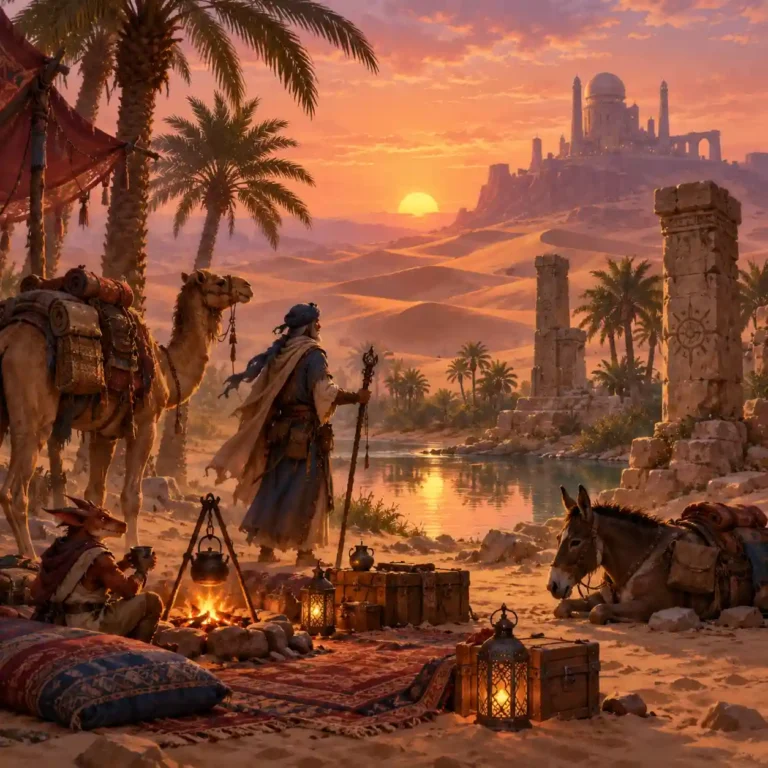
A river may flood in spring. A mountain road may close during winter. A desert crossing may be safer during cooler months. A magical phenomenon might make one route usable only under certain moons or during a brief calm season.
Seasonal routes give your world a calendar without requiring you to invent dozens of holidays.
They also create natural events: the first caravan of spring, the last ship before winter, a market that exists only during the harvest, or a town suddenly crowded because a pass has reopened.
Let Magic Change Trade Without Erasing It
Magic can transform transportation, but it should still have limits if you want geography to matter.
If teleportation is common, ask what it costs. Who can use it? How much can be moved at once? Does it require fixed gates? Are living creatures easier to move than cargo, or the reverse?
A magical shortcut with rules creates new trade routes rather than deleting them.
For example, a city with the only stable gate across an ocean may become more important than any natural harbor. A road to that city would then matter enormously.
Trade Routes Create Culture
Goods are not the only things that travel.
Letters, orders, contracts, and news travel along many of the same routes. Our guide to fantasy postal system worldbuilding shows how those communication networks can shape distance and power.
Merchants carry songs, stories, recipes, religious ideas, fashions, rumors, slang, and technologies. A city at the crossing of several routes may have mixed architecture, borrowed words, unusual food, and neighborhoods built by people from distant regions.
This can shape dialogue as much as geography. If a culture has spent centuries trading by river, its metaphors and idioms may come from currents, boats, floods, and navigation. That is one way to make fantasy dialogue feel rooted in its world.
Use Routes to Explain Cities
When placing a settlement, ask why people stay there.
Many important cities make sense because they sit at a crossing point: where a river meets the sea, where two roads intersect, where a mountain pass opens onto a plain, or where travelers must transfer from one kind of transport to another.
The route can also tell you what the city looks like. A river port needs warehouses, docks, inns, repair shops, markets, and people who specialize in moving cargo. A caravan town needs wells, stables, open yards, storage buildings, and services for travelers.
Those practical details help create interesting fantasy locations because they give each place a function before you decorate it.
Trade Creates Conflict Without Requiring a Villain
Two regions can disagree simply because their interests are different.
A city may want lower river tolls while the upstream kingdom depends on those tolls for revenue. A new road may make one town wealthy while bypassing another. A safer magical route may threaten families whose livelihoods depend on the old caravan road.
These conflicts feel believable because nobody needs to be secretly evil. People are protecting jobs, access, tradition, or political influence.
A Simple Fantasy Trade Route Example
Imagine three places:
- Highmere produces wool, mountain herbs, and silver.
- Rillhaven grows grain and sits beside a navigable river.
- Port Vey imports luxury goods from overseas.
Highmere needs food, so its caravans travel down a mountain road to Rillhaven. Rillhaven sends grain upriver and receives silver in return. Both regions send valuable goods downriver to Port Vey, where overseas merchants buy them.
Now add one narrow bridge between Highmere and Rillhaven. A town grows around it. The bridge becomes politically important. Inns appear. Warehouses appear. A local festival celebrates the reopening of the mountain road each spring.
From three exports and one bridge, you already have economics, politics, culture, and adventure hooks.
Fantasy Trade Route Checklist
For every major route on your map, answer:
- What moves along it?
- Why is that good worth moving?
- Why does the route follow this path?
- Where are the bottlenecks?
- Who benefits from the route?
- Who would suffer if the route changed?
- How do weather, magic, or politics affect travel?
You do not need a spreadsheet to build believable trade. Follow the goods, follow the geography, and then ask who depends on both.


9 Comments