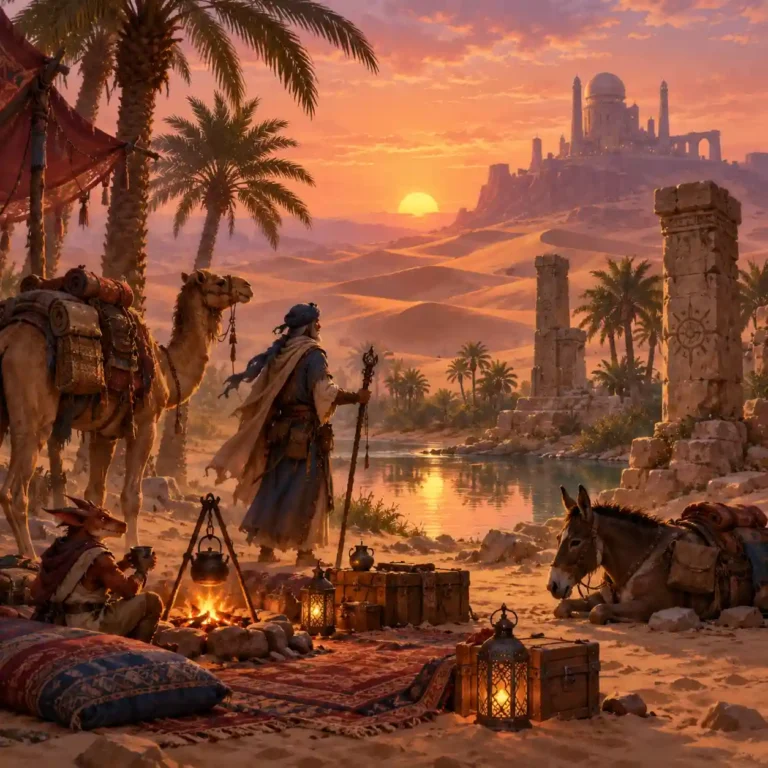
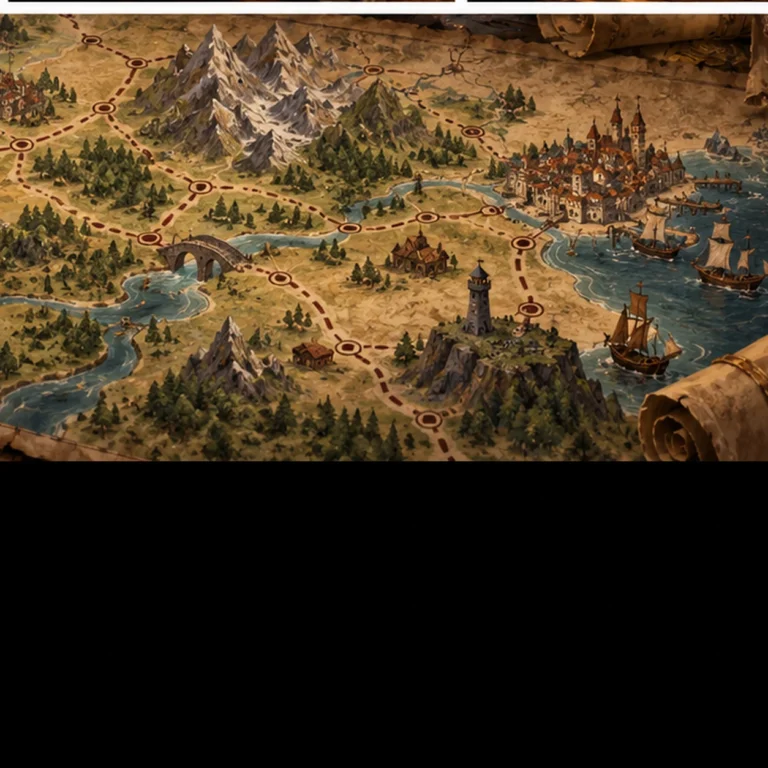
Fantasy Border Checkpoint Worldbuilding: Who Gets Through?
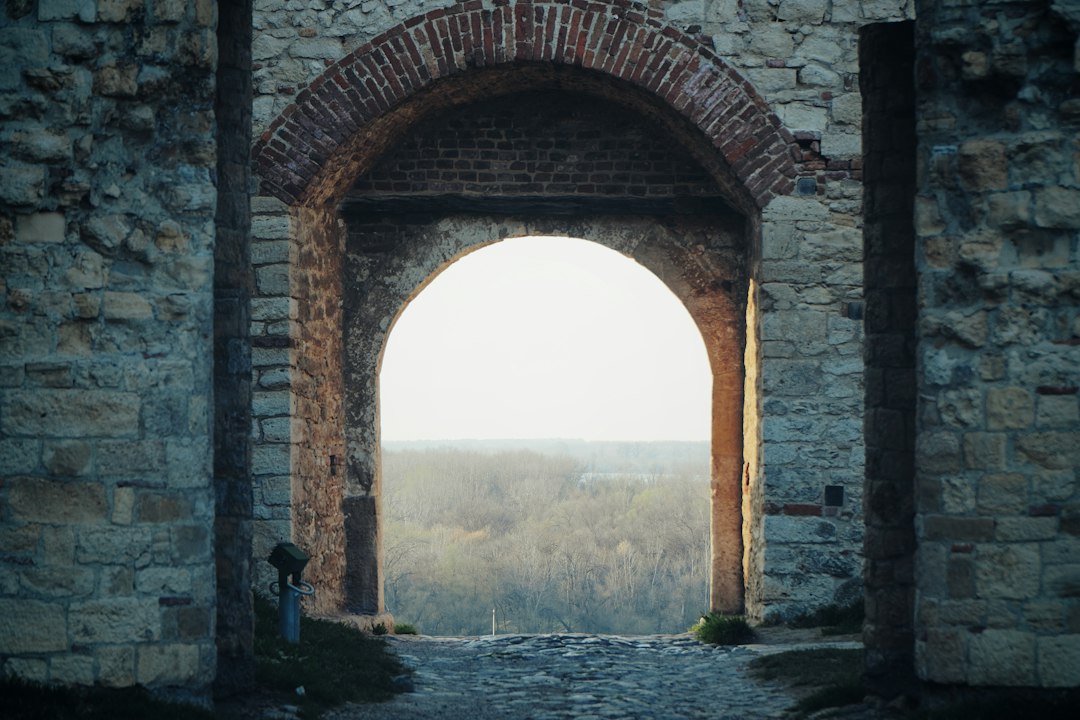
Fantasy border checkpoint worldbuilding becomes more interesting when the crossing is a workplace, not simply a place where guards say no. Border officers handle taxes, identity, safety, political exemptions, and disputes. Each decision reveals what a kingdom values and who pays the price for its rules.
For the wider settlement context, see our fantasy border town worldbuilding guide. Here the focus is the actual gate, bridge, customs office, or inspection tent.
Why was the checkpoint built?
Choose one main job: collect trade tariffs, protect a bridge, inspect military supplies, control disease, or administer a disputed frontier. A checkpoint built during wartime feels different from a centuries-old commercial customs house. The former may be hurried and suspicious; the latter may have experienced staff and predictable procedures.
Choose what travelers must show
Ordinary residents might cross freely while merchants declare cargo. Royal couriers could carry sealed travel letters, and pilgrims could present religious tokens. If magic can verify identity, decide who pays for it and how errors are corrected. Every rule should reflect a genuine concern rather than exist to irritate adventurers.
Give the checkpoint a physical layout
Separate foot travelers from loaded wagons. Add a covered register desk, a storage shed for disputed goods, a waiting area, and an inn that profits when inspections take too long. A broken cart or rising river can create a long queue with ordinary consequences.
Such details offer practical solutions: take a legal footpath, provide a witness, pay a published fee, fix the axle, or return with missing documents.
How do fantasy customs inspections work?
Pick three ordinary questions: where are you coming from, where are you going, and what goods are you transporting? Secondary inspection might begin when a seal is damaged, a weight does not match, or cargo violates a known restriction. A believable inspection system must be efficient enough that trade can still happen.
Give honest officers a way to resolve uncertainty. A witness’s signature, official ledger, or nearby guildhall may settle a dispute without a bribe or fight.
Example: the Ashbridge crossing
Ashbridge joins two small principalities. Grain carts pay a posted tariff, but healers may cross free during a flood emergency. Senior inspector Mera is conscientious and short-staffed; her deputy has quietly accepted payments to move favored wagons forward.
The party arrives when a courier’s seal is rejected. They can seek the issuing clerk, question a traveler who saw the courier earlier, expose bribery, or take the longer ford. No required plot depends on solving the official’s problem.
Make fees change local economics
A high bridge toll can increase bread prices, push merchants toward the ferry, fund genuine repairs, or encourage smuggling. If everyone avoids the road, the state must adjust or enforce the rules harder. Use our fantasy trade routes guide to follow those incentives beyond the gate.
Exceptions reveal power
Who can cross without paying—nobles, clergy, residents, emergency workers, soldiers? Exemptions show political relationships. They also create ambiguity when a traveler is obviously in need but lacks an approved token.
A decent official enforcing a flawed policy can be more interesting than a cartoon villain. Likewise, a smuggler may carry medicine or stolen luxury goods; motives should stay specific.
Messages, stamps, and out-of-date orders
A short permit can contain date, destination, cargo description, issuer, and seal. Forgery becomes possible when documents matter. A genuinely delayed order might also conflict with a new law because information travels more slowly than officials would like; our fantasy postal system guide explores that friction.
Six playable checkpoint hooks
- A bridge inspector finds genuine damage just before a major festival.
- A familiar merchant suddenly gives a false destination.
- A traveling healer claims an exemption nobody recognizes.
- A new order arrives after the last ferry has left.
- A forged stamp matches an older government seal.
- Two border guards disagree about which treaty is still valid.
Checkpoint design checklist
Purpose, authority, normal documents, posted fee, three routine questions, one reason for secondary inspection, queue layout, honest employee, conflicted employee, alternate route, and a recently changed rule. Those are the details that turn a gateway into a believable place with meaningful player choices.