Fantasy Border Town Worldbuilding: Build a Place Between Worlds
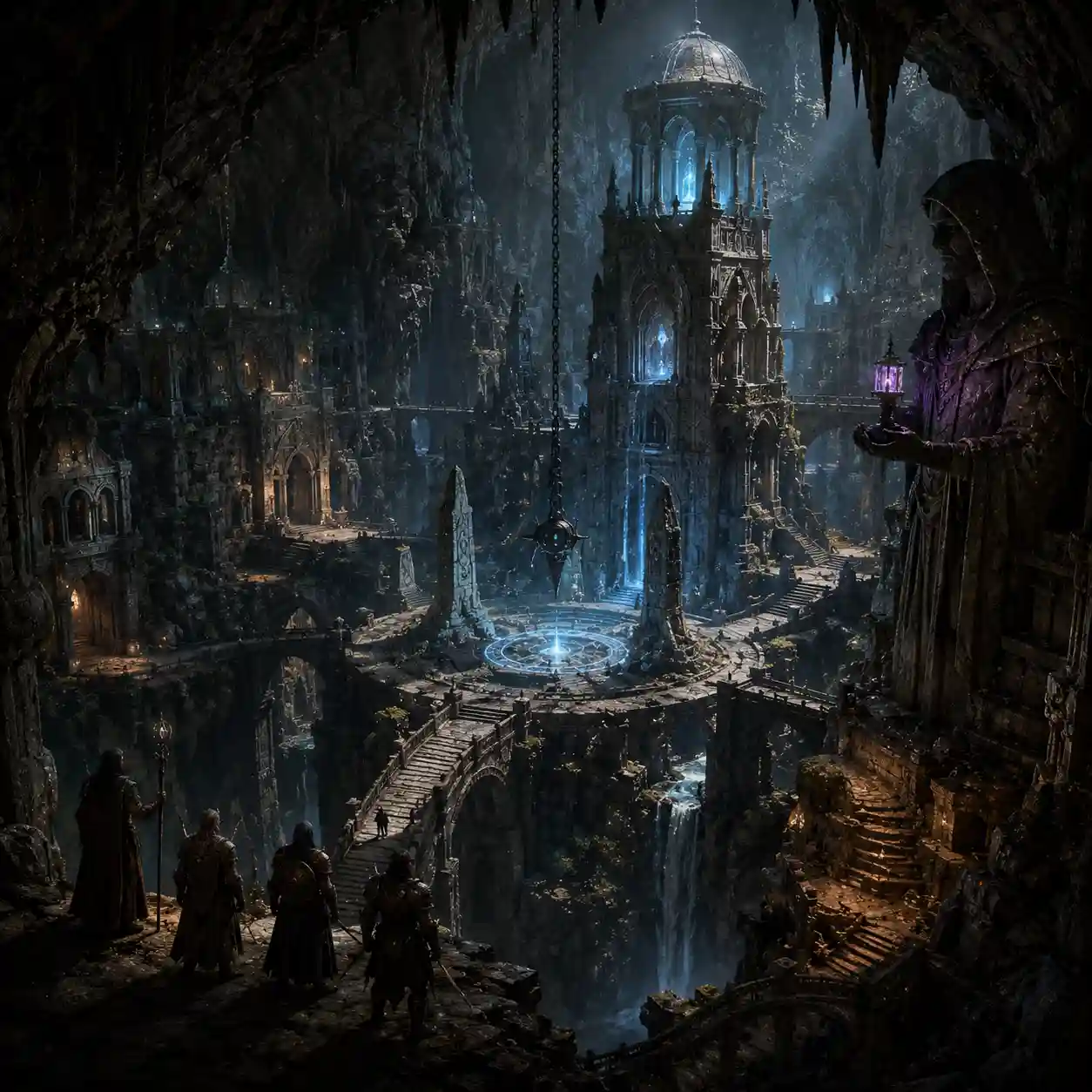
A fantasy border town should feel like more than a village with a checkpoint. Borders shape trade, language, law, family ties, architecture, food, suspicion, opportunity, and identity. People who live near them often understand both sides better than distant rulers do.
Information has to cross the border too. A believable fantasy postal system can turn inspections, courier routes, and delayed messages into part of everyday border life.
For strong fantasy border town worldbuilding, begin with movement. Ask what crosses the border, who wants to control that movement, and what ordinary residents have learned to do because the line exists.
Decide why the town is here
Border settlements usually grow around a practical reason: a bridge, pass, river crossing, market, fortress, portage, pilgrimage route, customs station, or rare resource.
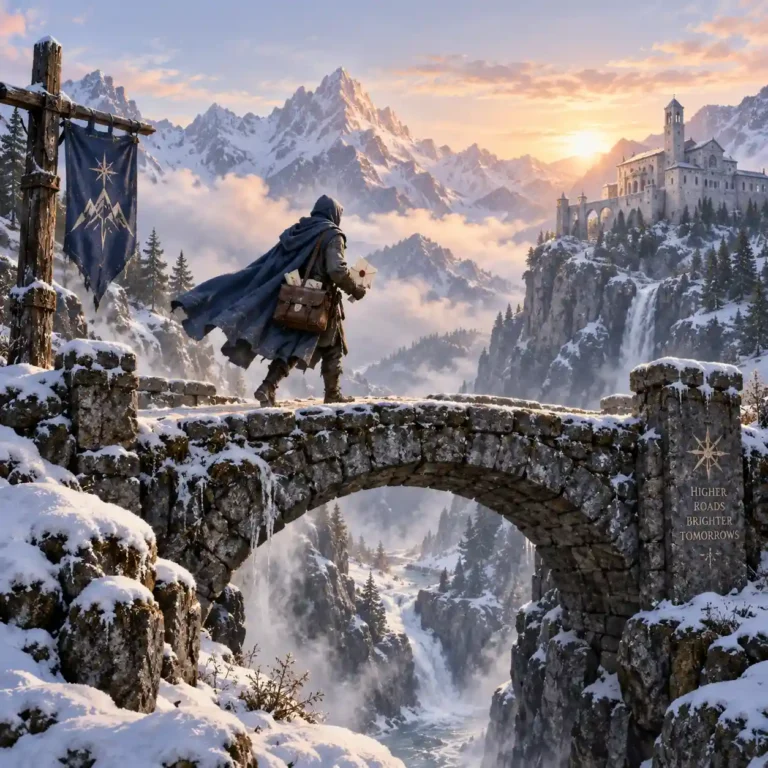
That reason should shape the town. A bridge town stretches along approaches and toll roads. A mountain-pass settlement may be seasonal. A market town may become busiest on the days traders from both sides are legally allowed to cross.
Make the border visible in everyday life
What changes when someone walks from one side to the other? Currency may be different. Measurements change. Certain goods become taxed. Clothing, building styles, and public signs may shift.
The most interesting details are often mundane. A baker keeps two sets of weights. Children know jokes in both languages. Stable owners maintain paperwork for animals crossing the line.
Let language mix
People near borders borrow words. Traders develop shortcuts. Families may switch languages depending on who is in the room.
You do not need to invent complete languages. Choose a few categories where borrowing is common: food, insults, trade terms, official titles, or weather. That is enough to suggest long contact between cultures.
Give the town two versions of history
The same monument can mean different things on opposite sides of a border. One kingdom remembers a battle as liberation. The other remembers it as a lost province.
Residents of the border town may have a third version: “That was the war when the south bridge burned and my grandmother had to move the bakery.” Local memory is often practical and personal.
Use trade to show what each side lacks
Borders become interesting when goods move through them. What does the northern region produce that the south wants? What travels the other direction?
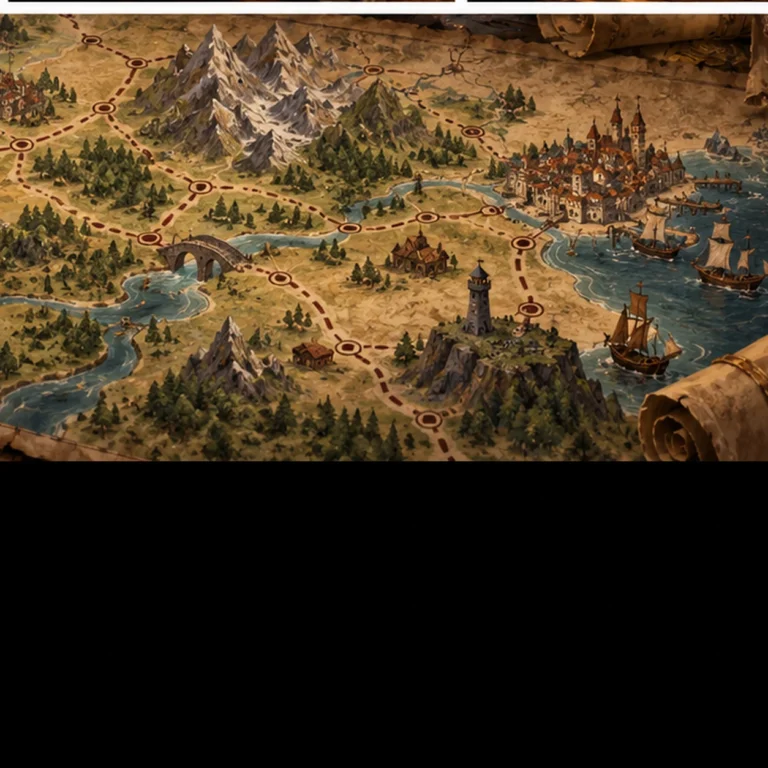
If you have not decided, geography can help. Kobold’s Rest has a guide to building fantasy trade routes, and a border town is a natural place for those routes to become visible through warehouses, inns, brokers, and taxes.
Currency should create small friction
A border market may accept two currencies but not at equal rates. Some merchants trust foreign coins; others insist on local money.
That can create both atmosphere and plot. The guide to fantasy currency worldbuilding offers ways to make exchange and trust part of daily life.
Decide how law changes at the line
A border is meaningful because authority changes. Which licenses, titles, warrants, marriages, debts, or religious offices are recognized on both sides?
A person may be respected in one country and powerless a hundred steps away. A guild may operate across the border even when governments do not cooperate. A family business may understand both legal systems better than officials sent from the capital.
Build mixed customs instead of two sealed cultures
If the border has existed for generations, residents will influence one another. Food crosses. Music crosses. Marriage crosses. Tools, stories, and holidays change through contact.
The town should not feel like two untouched cultures placed side by side. It should have habits that belong specifically to the border.
Perhaps weddings use one region’s ceremony and the other’s feast. Perhaps a local festival marks the reopening of the pass each spring and is celebrated by both communities for different reasons.
Ask who benefits from tension
Not everyone wants the border to be easy. Customs officials, smugglers, military officers, monopolistic merchants, or political factions may benefit from restrictions.
Likewise, other people profit from stability: innkeepers, translators, farmers, caravan guides, ferry operators, and families with relatives on both sides.
This gives the town internal politics that do not reduce to “Country A versus Country B.”
Give residents border skills
People living there should know things outsiders do not. They know which official accepts which document, which road floods first, which guard shift is slow, how long customs takes on market day, and which words sound rude across the line.
These skills make locals valuable characters rather than scenery.
A border-town worksheet
- Crossing: Why do people pass through here?
- Goods: What moves in each direction?
- Law: What changes at the border?
- Language: What words or habits have mixed?
- Memory: What event does each side remember differently?
- Local custom: What tradition exists only because both cultures meet here?
- Pressure: Who benefits from an open border, and who benefits from a closed one?
Make the border a place people live, not just cross
The best border towns are not waiting rooms between “real” locations. They are their own culture, shaped by constant translation and negotiation.
Build from the people who wake up beside the line every morning. Their town will naturally contain trade, friction, mixed identity, practical expertise, and stories that could not happen anywhere else in the world.

2 Comments