Seasonal Festivals for Fantasy Worlds: Build Traditions That Fit
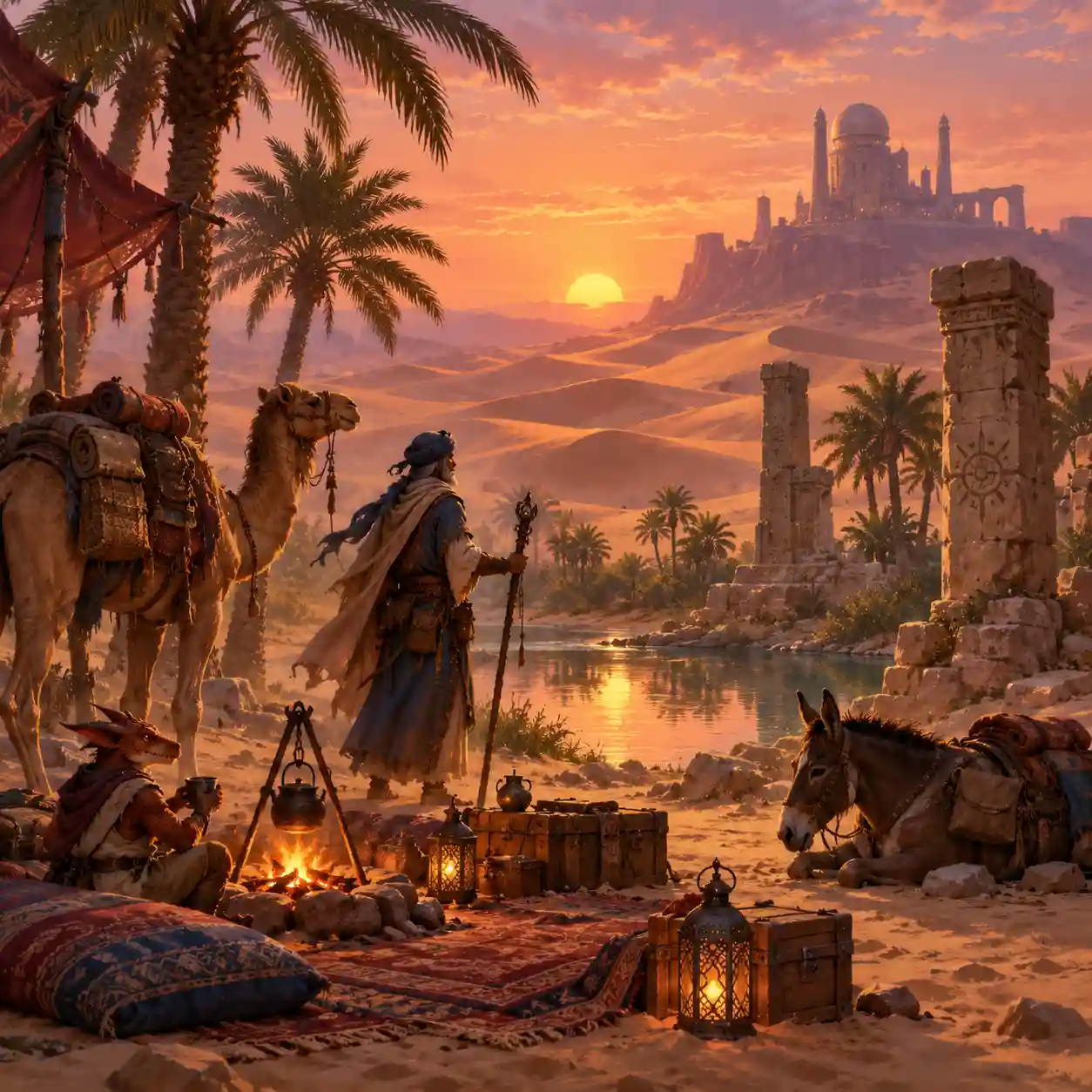
A fantasy festival becomes memorable when it feels necessary to the people celebrating it. If the only explanation is “the kingdom has a spring festival,” the event can feel like decorative worldbuilding. If the festival marks the first safe river crossing after winter, the reopening of mountain roads, the start of lambing season, or the day fishing boats return to deep water, it belongs to the lives of the people.
For stronger seasonal festival fantasy worldbuilding, build from the year’s practical turning points before inventing costumes and games.
Start with the local calendar of work
What changes during the year? Planting, harvest, migration, storms, trade seasons, mining access, fishing runs, school terms, military patrols, or magical conditions may all create natural points for celebration.
A festival often appears where a community collectively finishes, begins, survives, or prepares for something.
Connect the festival to weather
Weather changes what people can do. The first thaw may reopen roads. The dry season may make travel possible. Monsoon rains may end dangerous heat. Long winter nights may encourage indoor gatherings built around storytelling, repair work, and preserved food.
If you already know the climate, the festival can emerge from it instead of being pasted on top.
Give the celebration a practical origin
Many traditions become more convincing when they started as something useful. Lanterns may once have guided workers home after a late harvest. A communal feast may have begun because food needed to be eaten before storage spoiled. Painted doorways may have originally marked homes that passed a seasonal inspection.
The modern celebration can outlive the original need. People may argue about what the tradition “really” means.
Build the food from what is available then
Festival food should reflect the season. Fresh fruit belongs to a different moment than preserved roots. A coastal town may celebrate the return of a particular catch. A mountain community may make a dish only when a short-lived herb appears after snowmelt.
Food creates sensory detail while quietly reinforcing geography and trade.
Decide who works during the holiday
A festival is not a day off for everyone. Innkeepers, cooks, musicians, guards, cleaners, merchants, ferrymen, priests, healers, and performers may work harder than usual.
This creates class and profession differences inside the same celebration. One person’s holiday is another person’s busiest week.
Let trade reshape the tradition
Major festivals attract visitors, and visitors bring money. Merchants may sponsor contests, raise prices, rent temporary stalls, or introduce imported goods that slowly become traditional.
If your world has active trade networks, connect the event to them. The Kobold’s Rest guide to fantasy trade routes can help explain why certain foods, fabrics, performers, or pilgrims arrive each year.
Layer religion onto daily life
A seasonal festival may be religious without being only a temple ceremony. Households might clean doorways, prepare a particular meal, avoid certain work, visit relatives, or leave a small offering before joining public celebrations.
The guide to fantasy religion through everyday rituals offers more ways to make belief visible in ordinary practice.
Add one event people argue about
Traditions become more believable when not everyone loves every part. Maybe young people adore a noisy midnight parade while older residents complain that it used to be solemn. Merchants want an extra market day; clergy oppose it. A dangerous old contest has been replaced, angering traditionalists.
Disagreement creates history. The festival feels inherited rather than invented last Tuesday.
Create regional versions
If the same festival is celebrated across a kingdom, do not make every town perform it identically. Coastal communities may float candles while inland communities hang them from trees. One region may emphasize the religious meaning, another the market.
Regional variation suggests travel, politics, and local identity.
Use festivals as story engines
A festival naturally changes normal routines. Streets close. Visitors arrive. Officials appear in public. Families reunite. Workers are distracted. Prices change. Old rivals meet.
That makes festivals useful for stories without requiring a mysterious attack or secret conspiracy. A character may need to find lodging during overcrowding, reach someone through a parade, compete for a contract, or decide whether to return home for a family tradition.
Five fantasy holiday ideas rooted in the seasons
Fantasy holidays work best when the celebration grows from a recurring change in ordinary life. These examples are starting points, not names to paste unchanged into every setting:
- The First Ferry: after spring floods recede, river towns bless the first boat across. Families separated all winter reunite, while ferrymen argue over who may charge passage.
- Night of the Last Hearth: at the end of a harsh winter, neighbors share the final portion of their stored fuel. Wealthy households compete to appear generous, even if they hoarded supplies.
- Road-Opening Fair: mountain communities celebrate the first safe caravan crossing. Contracts are renewed, messengers exchange news, and a failed road inspection threatens the market.
- The Counting of Lanterns: fishing villages mark the season when boats can return to deep water. Each lantern stands for a boat or relative; an unlit lantern carries its own meaning.
- Rain-Calling Repairs: before the wet season, residents mend canals and roofs together. The work ends with music and food, but an upstream settlement may object to how water is divided.
Each holiday does two things: it marks time and reveals a pressure on the community. Change the climate, local economy, faith, or governing authority and the same idea becomes a different tradition.
Fantasy festival or fantasy holiday: what is the difference?
A holiday is a designated day or period of observance, remembrance, or rest. A festival is a celebration or series of public events, which may occur during a holiday but does not have to. In your world, a solemn remembrance might close shops without any parade, while a trading festival could happen on an ordinary workday.
Ask who declares the day, who gets time off, and who must still work. The answers often reveal political and religious authority more effectively than a list of colorful customs.
How to place fantasy holidays on a calendar
Choose whether a date is fixed by a ruler or temple, tied to a recurring natural event, or announced each year when conditions change. A harvest feast need not happen on the same numbered day every year if the harvest itself shifts. In a setting with wet and dry seasons, a “first rains” observance may be more meaningful than a spring equinox.
For regional flavor, imagine how the same holiday changes across a fantasy border town. Two neighboring communities could share a market but remember different historical events on the same day.
A festival-building worksheet
- Seasonal change: What changes in work, weather, or travel?
- Origin: What practical or religious need created the tradition?
- Food: What is available or significant at this time?
- Public ritual: What does everyone see?
- Household ritual: What happens privately?
- Workers: Who becomes busiest?
- Disagreement: What part of the festival is contested?
- Regional variation: How is it celebrated differently elsewhere?
Tradition should reveal the year
A good seasonal festival tells you what a community has been waiting for. It may mark relief, abundance, danger passing, work beginning, work ending, or a memory people refuse to let disappear.
Build the tradition from that shared pressure, and the colorful details become easier. The songs, food, games, clothes, and decorations will have a reason to exist—and your fantasy calendar will feel like something people actually live through.
3 Comments