Fantasy Climate Worldbuilding: Let Weather Shape Culture and Conflict
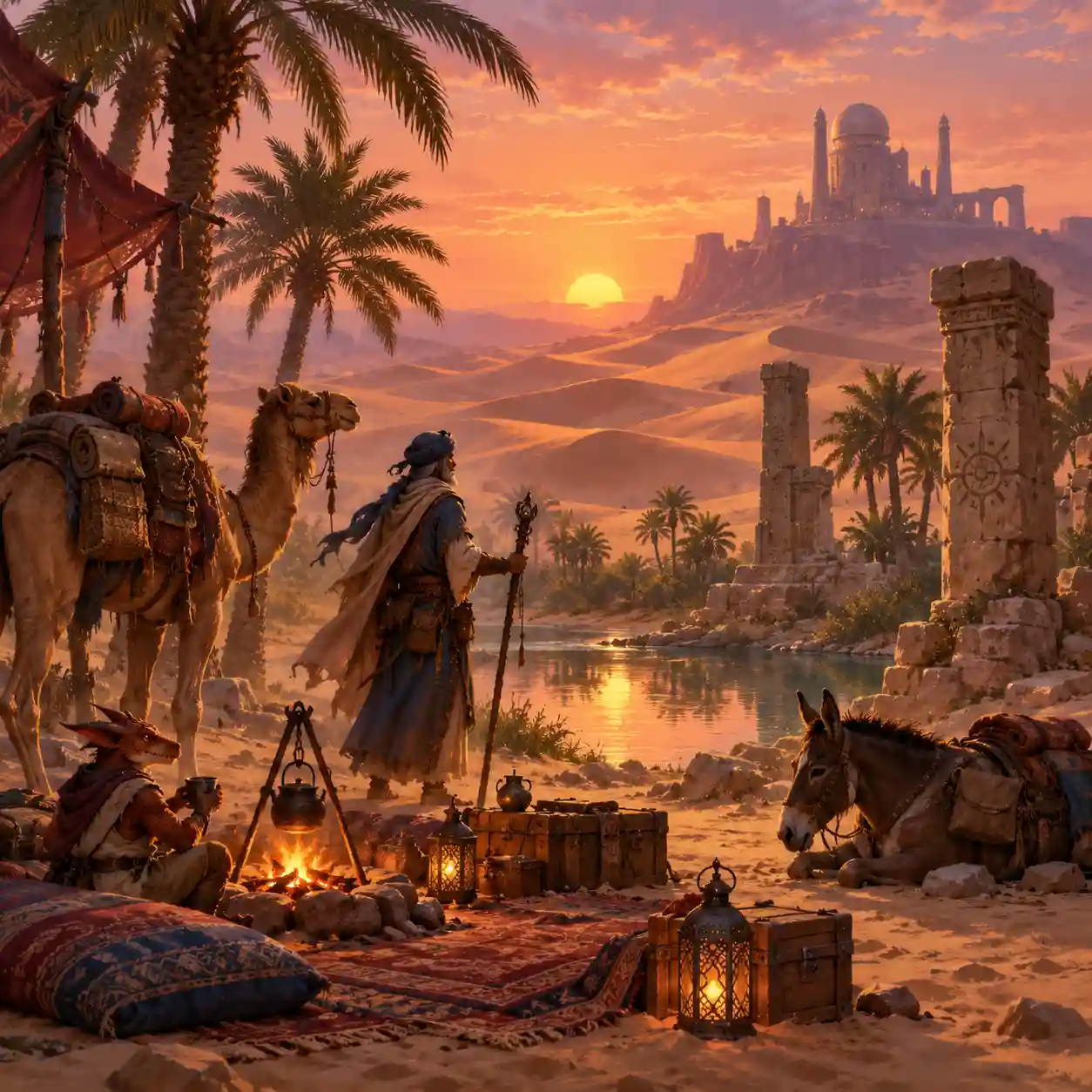
Fantasy climate worldbuilding gets interesting when weather changes how people live. A snowy kingdom and a desert kingdom are not automatically believable. The useful question is what climate forces people to build, eat, trade, fear, and celebrate.
Begin With Geography
Before choosing weather, look at mountains, coastlines, elevation, prevailing winds, large lakes, and distance from the sea. You do not need a perfect simulation. You need enough cause and effect that neighboring regions make sense together.
Turn Climate Into Resources
Ask what grows easily, what is scarce, and what must be imported. Climate shapes grain, timber, grazing, fisheries, medicines, and building materials.
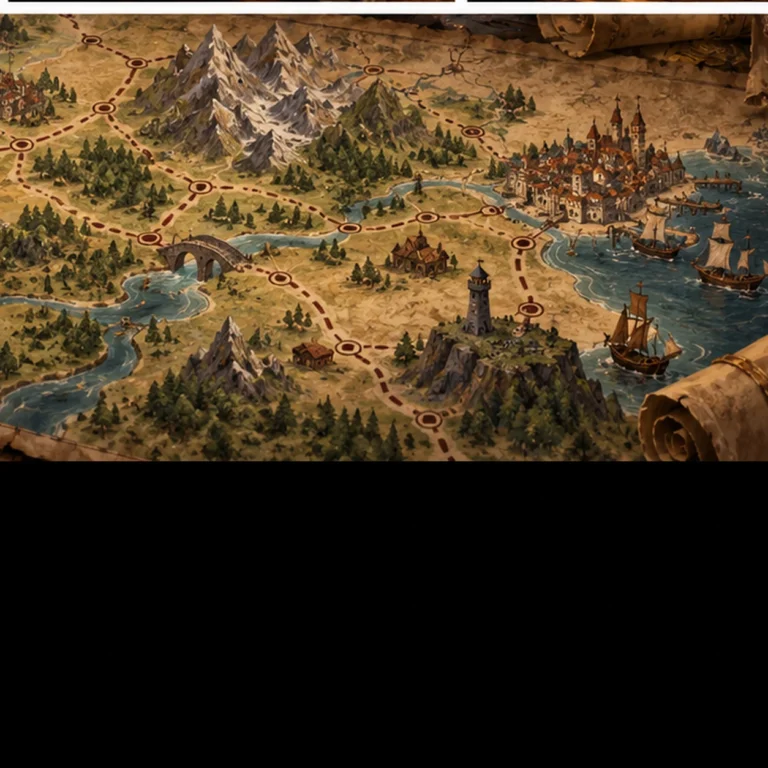
Once resources differ, trade becomes necessary. That gives your fantasy trade routes a reason to exist.
Design the Difficult Season
Every region has a season people prepare for. It may be winter snow, spring floods, summer heat, storm months, wildfire season, or a magical phenomenon unique to the setting.
Preparation reveals culture. What do households store? Which roads close? What work stops? Which festivals happen just before or after the dangerous season?
Let Architecture Answer the Weather
Roofs, courtyards, windows, streets, walls, cellars, shade, drainage, and public spaces should reflect local conditions. Architecture becomes more memorable when it solves a problem.
Use Weather to Change Travel
A road that is safe in autumn may be impassable in spring. A river may become the fastest highway during one season and a barrier during another.
This makes the techniques in interesting TTRPG travel easier to use because routes change for understandable reasons.
Connect Climate to Conflict Carefully
Scarcity can create political pressure, but avoid making climate destiny. People adapt through technology, magic, cooperation, migration, storage, and trade.
The interesting stories usually come from how societies respond to the environment, not from assuming one environment creates one kind of culture.
Fantasy climate versus weather: what is the difference?
Weather is what happens on a particular day: a storm, frost, heat wave, or spell of clear skies. Climate is the pattern people expect over many years. A single blizzard can interrupt an adventure; a region with long, routinely snowy winters needs stored food, winter routes, heating, clothing, and buildings designed around them.
For fantasy worldbuilding, begin with climate and then choose weather that can disrupt the normal routine. A freak drought matters more when readers know how much rain a valley usually receives. A rare warm winter might open a mountain pass early and create a political opportunity.
Fantasy climate worldbuilding example: two towns across the mountains
Imagine two settlements on opposite sides of a range. In this invented setting, moist winds usually arrive from the sea. Air rising over the coastal slopes drops much of its moisture there; the far side is drier. This rain-shadow pattern is one possible model, not a rule that every mountain range must follow.
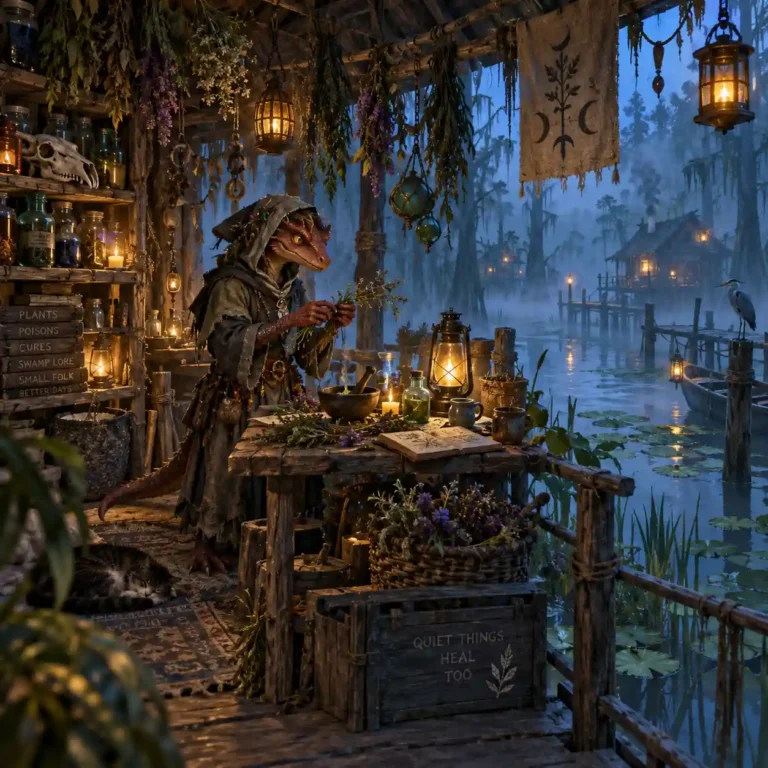
- Coastal town: frequent rain encourages roof drainage, waterproof storage, fisheries, and markets protected from storms. Boats can move bulky goods, but port closures disrupt supply.
- Inland town: the drier valley relies on stored water, irrigation agreements, drought-tolerant crops, and trade for goods that thrive on the wet coast.
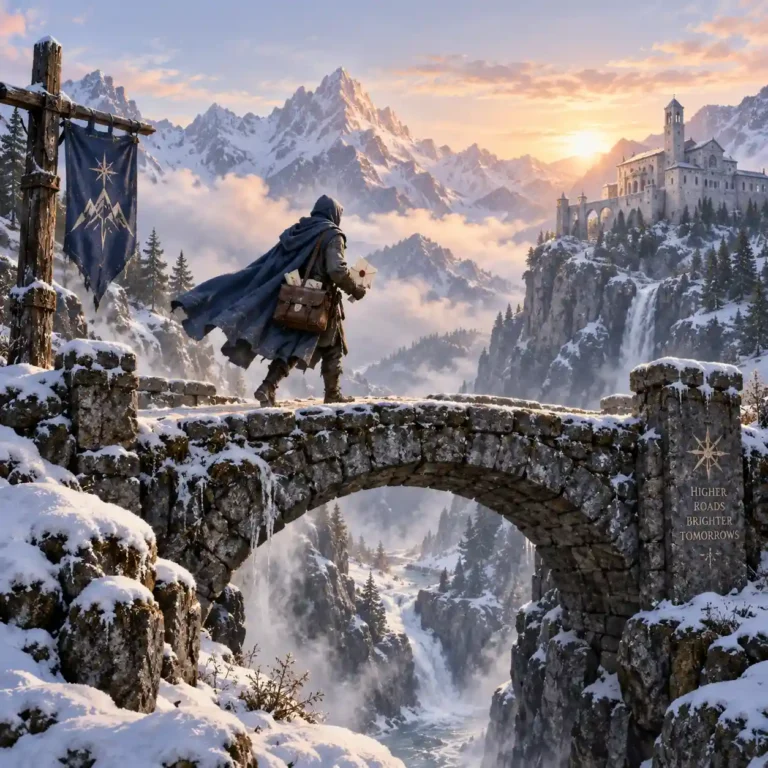
- Between them: seasonal mountain travel makes guides, bridges, waystations, and courier services important. A storm can cut one town off from news before it cuts off food.
Neither town needs to share one personality simply because of its climate. Different laws, customs, technologies, and choices can produce very different communities in similar environments. The environment creates constraints and possibilities, not predetermined cultures.
How to sketch a fantasy climate map without a full simulation
For a usable first pass, mark the coasts, major mountains, broad latitude bands, and the prevailing winds you want your setting to have. Pick a real-world region as a loose reference for each major zone, then note where elevation, large bodies of water, and fictional magic create exceptions. Test the setting with a few practical questions instead of trying to calculate every rainfall total:
- When does travel become difficult, and which routes remain open?
- How do households store food, fuel, or water for their hardest season?
- What must a city import when local production fails?
- Which annual seasonal festivals or work routines mark a change in conditions?
If two nearby places have dramatically different climates, give that difference a cause on the map or in the setting’s magic. A modest amount of consistency helps weather influence culture without turning worldbuilding into a meteorology textbook.
A Five-Question Climate Pass
- What weather is normal here?
- What season causes the most preparation?
- What important resource thrives because of the climate?
- What must be imported?
- What building, custom, or festival exists because of the weather?
Answer those five questions and the climate begins influencing everyday life. That is when weather stops being scenery and starts becoming worldbuilding.


One Comment