Fantasy Waystations and Roadside Inns: Working Worldbuilding
Fantasy waystations are the places that make long journeys possible. A road with inns, toll posts, shelters, and couriers’ stops feels different from a line drawn through empty forest. These small buildings reveal who maintains trade, what travelers can afford, and how a region manages danger.
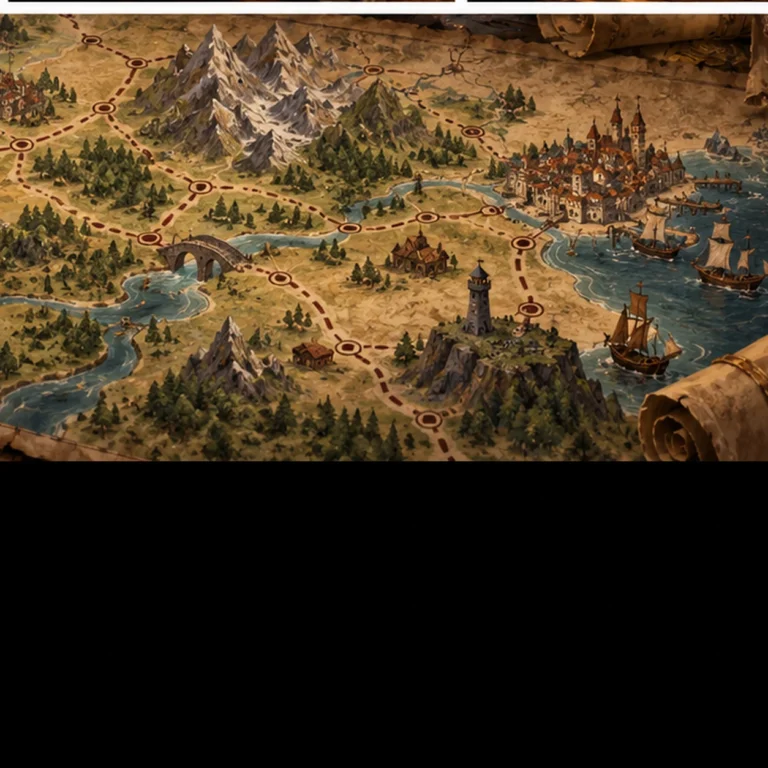
Unlike a city tavern, a waystation exists because people are passing through. Our fantasy trade routes guide helps locate the roads; here we will give their stopping places daily routines.
Why would an inn stand here?
Choose a practical reason: a bridge crossing, the last spring before a pass, a fork toward two market towns, or the edge of a seasonal road. If there is no traffic or water, the owner needs another source of support, such as a monastery, state courier service, hunting lodge, or pilgrim tradition.
Not every stop is a commercial inn. A toll house might offer shelter as part of its duty; a temple may host travelers for donations; a family farm could rent floor space when caravans arrive.
What services does a roadside waystation need?
Start with drinking water, basic food, warmth, somewhere dry to sleep, and safe handling of animals or cargo. Then decide what this particular stop does better or worse than others. One may provide spare harnesses and ferrymen; another offers news from a courier route.
Reliable services influence travel plans. Merchants may choose a longer route because a secure shed protects their goods, while poorer travelers avoid the best inn because the fee is too high.
Build a floor plan from work
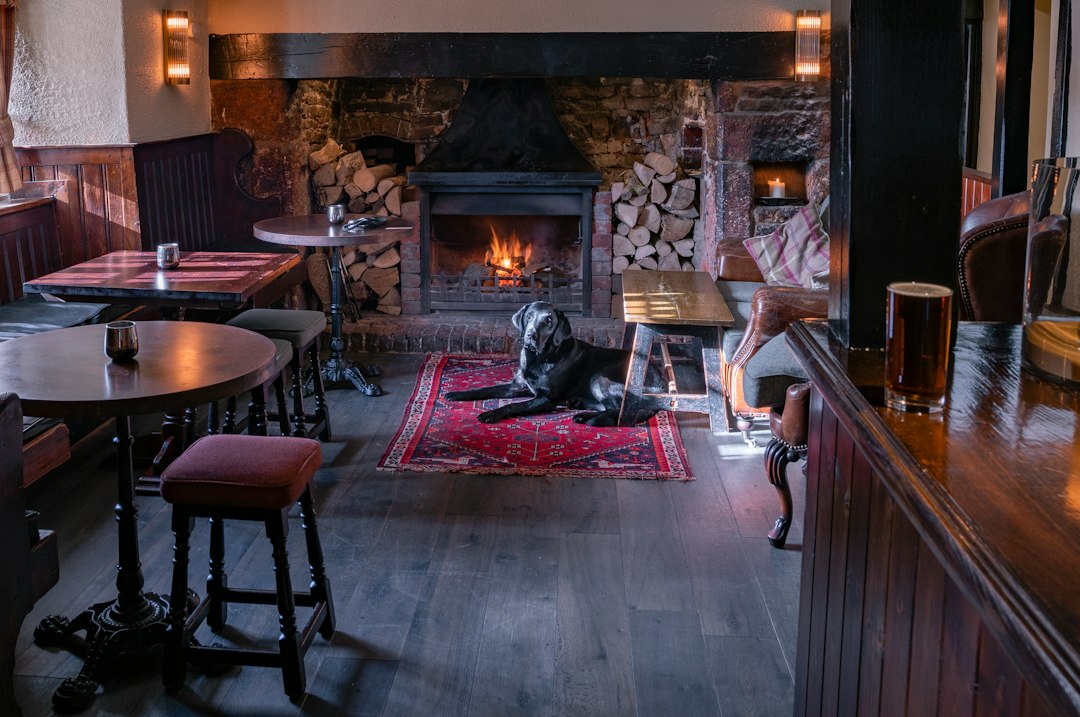
The kitchen needs water and fuel. A stable needs easy access from the road. A common room allows travelers to negotiate and exchange news. If valuable goods pass through, a locked storeroom matters. In a wet region, covered places to dry cloaks may be as important as extra beds.
Draw three zones—public, working, and private—and decide who is normally allowed into each. That is enough for stealth scenes, missing items, and social tension.
Design the innkeeper’s real pressures
The owner may be worried about failing roofs, late deliveries, unpaid debts, and the approaching snow season. Workers need wages; animals need feed; taxes may be due before the spring caravans arrive. These concerns can make the innkeeper memorable without secretly being a crime boss.
Someone with mundane needs can still hold useful information. A keeper might recognize a forged courier seal because the legitimate messenger stopped there every week.
Example: the Glass Lantern House
The Glass Lantern stands at a junction below a mountain pass. It has six beds, a crowded common room, a fenced pasture, and a locked dispatch box for letters. Its keeper, Una, makes most income from caravans, but a collapsed retaining wall has diverted traffic.
The party arrives with a stamped letter meant for a hill fortress. A courier is late, a teamster claims the pass is open, and a traveling healer needs urgent transport. Players can repair the wall, share a mount, investigate the delay, or continue their journey. The place generates choices through its actual function.
What does winter or flood season change?
Seasonal inns may store extra fuel, preserve food, repair shutters, or close an upper floor to keep it warm. Mountain roads may shut entirely, while river inns gain customers after flooding redirects caravans. Weather makes a familiar waystation behave differently throughout the year.
For a broader approach, see fantasy climate worldbuilding. The environment should change work and risks rather than merely set the mood.
Link waystations to courier networks
An inn can host a relay keeper, hold sealed pouches, or maintain fresh mounts under contract. Those arrangements produce new obligations: official couriers may get priority, and missed deliveries become a serious event. Our guide to fantasy courier relay stations explores the mechanics.
Six waystation plot hooks
- A sealed dispatch arrives from an office that closed last winter.
- The stablehand recognizes a mount belonging to a missing caravan.
- A stranded family cannot afford another night indoors.
- Two merchants dispute ownership of goods in the locked shed.
- A bridge inspection closes the road on the busiest market day.
- The keeper must decide whether to shelter a traveler wanted by an unjust official.
One-page waystation worksheet
Road purpose, usual travelers, water and fuel source, shelter capacity, stabling, storage, authority, seasonal hazard, keeper’s current worry, and one recent rumor. Those ten details make a roadside stop feel like a business or institution rather than a generic room with an innkeeper.