How to Write Fantasy Travel Scenes That Earn Their Page
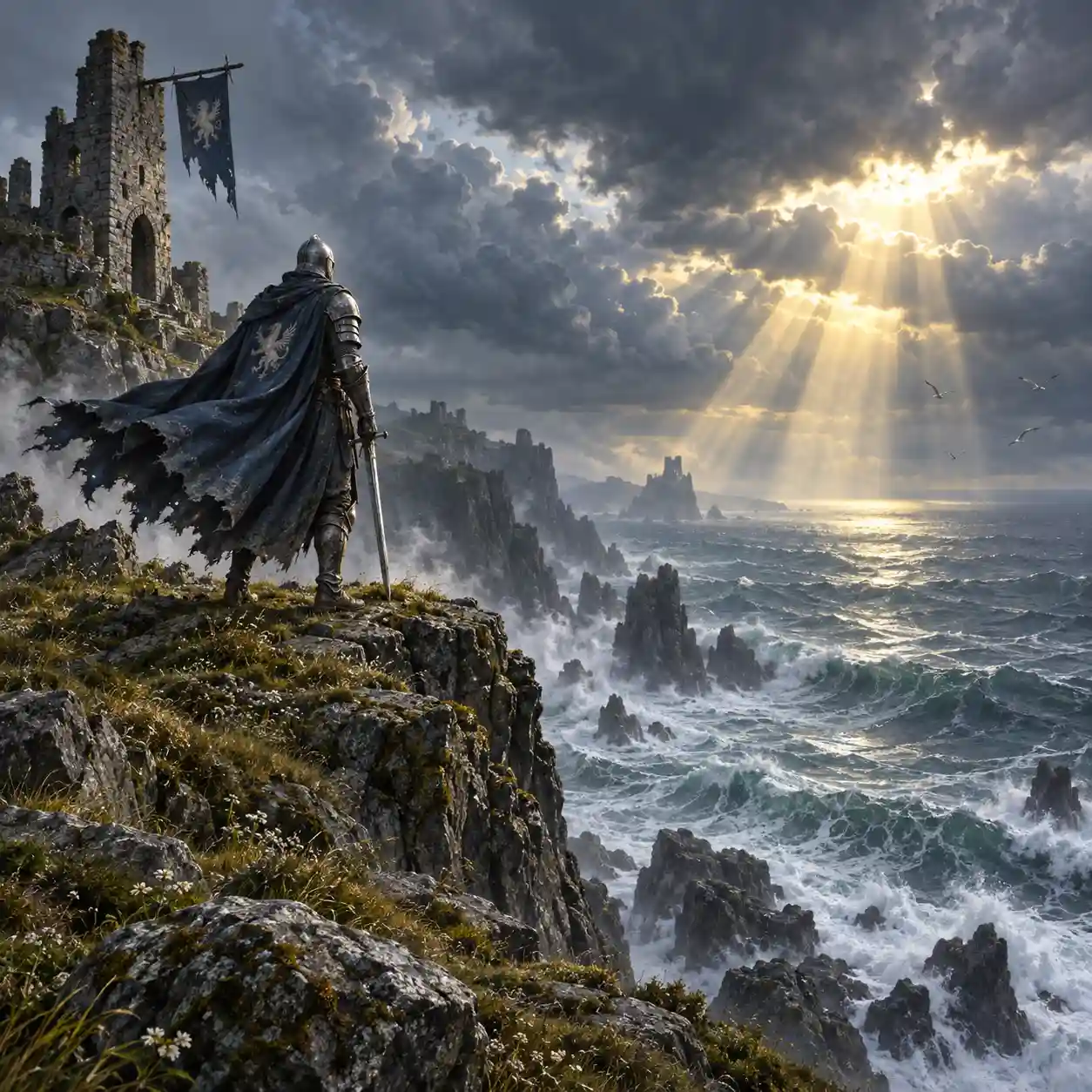
Writing fantasy travel scenes becomes much easier when you stop treating every mile as equally important. A journey deserves page space when something changes: a relationship, a plan, the reader’s understanding of the world, or the direction of the story.
Know Why This Part of the Journey Is On the Page
Before drafting a travel scene, finish this sentence: This scene matters because…
If the answer is only “the characters need to reach the next city,” summarize the trip. If they make a decision, encounter a meaningful place, reveal a secret, or change how they see one another, you have a scene.
Use Travel for Character Pressure
Journeys remove ordinary routines. Characters are tired, bored, exposed to unfamiliar customs, and forced to spend time together. That creates opportunities for conversation and friction without inventing a crisis.
Let the Landscape Reveal the World
Description is strongest when the environment contains evidence of people. Terraced hills, repaired bridges, roadside shrines, abandoned tollhouses, seasonal camps, and old boundary stones say more than a list of mountains and trees.
Our guides to fantasy trade routes and roadside shrines offer ready-made details for this kind of travel writing.
Build the Scene Around a Choice
Travel scenes become active when someone must decide something: take the safe road or the fast road, stop to help a stranger or protect supplies, reveal information to a companion or keep quiet.
A choice gives the scene shape even if nobody is in immediate danger.
Use Compression Aggressively
You can cover three uneventful days in one paragraph and spend three pages on a ten-minute stop at a ruined bridge. Fictional time does not need to move at a constant speed.
Change the Situation at the End
When the scene ends, something should be different. The characters know more. They trust each other less. A route is closed. A rumor points elsewhere. The destination now means something it did not mean before.
A Simple Test
Keep a travel scene if it does at least two of these:
- develops character;
- reveals worldbuilding;
- creates a decision;
- plants or pays off information;
- changes the next scene.
If it does none of them, compress it. The goal is not to avoid travel. The goal is to make every expanded travel scene earn the reader’s attention.