Fantasy City Fire Prevention: Roofs, Wells, and Watch Bells
Fantasy city fire prevention is a detail that can turn architecture into politics. A crowded city with ovens, forges, candles, fireplaces, workshops, and stored fuel needs ways to reduce risk and respond when something burns. A believable system affects the roofs residents can afford, the rules businesses follow, and the work of people responsible for public safety.
This is a focused companion to fantasy city districts, city water systems, and night watch patrols. You need not build a perfect historical recreation; you need risks and protections that follow from your setting’s materials and institutions.
Fire prevention also depends on routine work before an alarm sounds. Our fantasy chimney-sweep worldbuilding guide looks at soot removal, inspection slips, repair responsibility, and how crowded neighborhoods can organize safer hearth maintenance.
Start by mapping the greatest risks
Where do people keep open flames? Kitchens, kilns, metalworks, lantern shops, and crowded lodging houses have different hazards. Roof materials, tightly packed buildings, stored goods, wind, and access to water all influence the outcome of an accident.
A brick kiln separated by a lane from homes may be less dangerous to the surrounding block than an illegal furnace inside a crowded wooden warehouse. Specific risks make a town’s regulations meaningful.
Building materials tell a social story
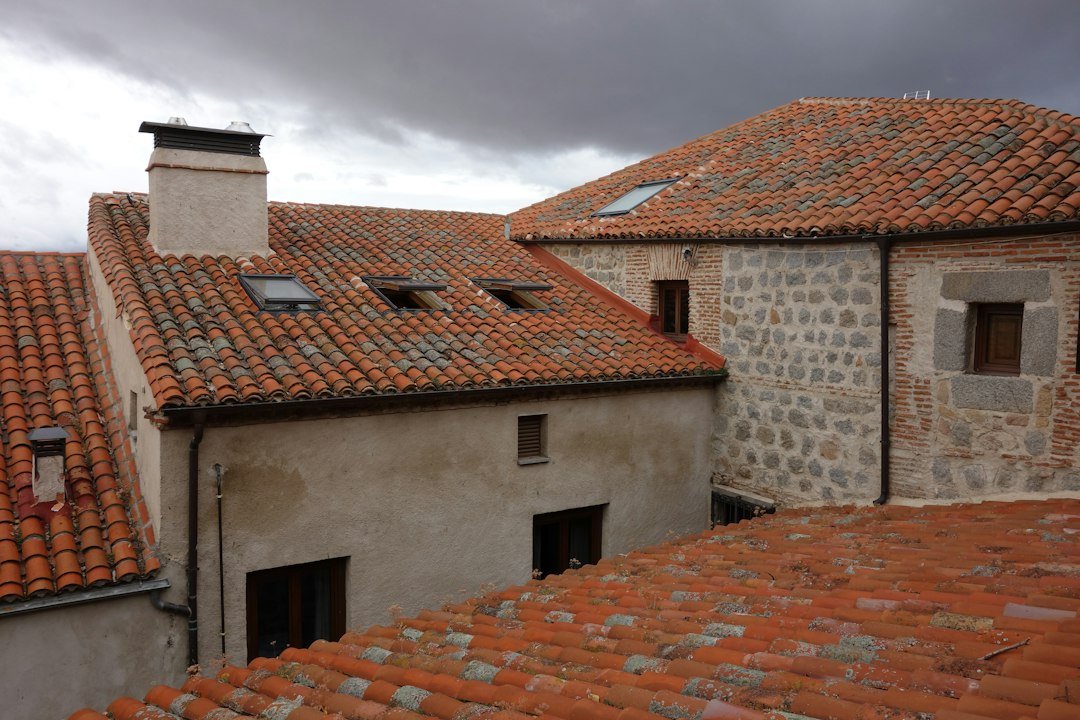
Stone, brick, tile, timber, and thatch have different costs and practical uses. A city’s rules may restrict easily ignited roofing near busy streets or require ovens to be built with certain protections. However, changing roofs is expensive. A policy that seems sensible to a magistrate may be ruinous for tenants and small workshops.
Historically, medieval towns did sometimes regulate flammable building materials and access to firefighting equipment, rather than simply accepting fires as inevitable. For background, see this scholarly overview of fire prevention in late medieval British towns. A fictional city can make very different choices, but regulation is a useful worldbuilding possibility.
Water access matters more than a dramatic bucket brigade
A response needs a nearby source of water, containers, people, and routes through streets. A public fountain at the end of a narrow alley is less useful if carts block access. A well may remain accessible during drought while an aqueduct is interrupted.
Show prevention too: maintained chimneys, inspected kilns, communal tools, and residents who know which bell signals danger. A city that depends only on heroic adventurers to respond to every small fire is missing the people who live there year-round.
Give the night watch an alarm procedure
Who first spots smoke? Which bell is rung? Who wakes the nearest patrol? Who opens gates for water carts? A night watch might know local streets well, while neighborhood volunteers keep ladders or hooks ready. If magic exists, decide whether it helps spot flames, move water, or protect a particular building.
The procedure should be understandable enough for a scene: a character hears two bells, knows the fire is near the lower market, and must decide whether to help family, protect a warehouse, or carry a message.
Example: the Kiln Row inspection
In the fictional city of Bellport, the council orders every workshop in Kiln Row to rebuild its roof with safer materials. Master potter Ena agrees that nearby housing needs protection, but her cooperative cannot afford all the work before winter. A wealthy investor offers to pay if the cooperative signs over its firing schedule and delivery rights.
Characters might help negotiate a phased inspection, expose a dishonest contractor, organize a temporary shared kiln, or persuade the council to fund repairs. No one needs to start a fire for the safety rules to create a strong plot.
After a fire, the city keeps changing
A damaged street needs shelter, repair materials, replacement tools, and official decisions about rebuilding. Market prices may rise. A guild may gain influence by supplying tiles. Displaced households might move across district boundaries. A catastrophe’s aftermath can create a long-lasting relationship story rather than a single spectacle.
For similar everyday economic consequences, see our fantasy market day and trade routes guides.
Where does magical fire protection fit?
Perhaps spellcasters ward the council hall and temple archives, while ordinary homes rely on clay roof tiles and vigilant neighbors. A powerful enchantment may be limited by cost, maintenance, or the need for a trained caster. Those limitations reveal who receives protection and who must organize without it.
If anyone can extinguish a fire instantly, the story shifts toward access to magical labor, failed wards, and the politics of who owns the system. Decide consistently.
Six fire-prevention story hooks
- An inspection order closes the bakery before a major festival.
- A missing watch bell leaves one district without a clear alarm.
- A landlord ignores the cost of repairs and threatens eviction.
- A tile guild has enough materials for only one neighborhood.
- A suspicious smoke report uncovers a hidden but harmless workshop.
- Two streets disagree about where a shared water cistern should be built.
Fire-safety worldbuilding worksheet
- Which buildings create the greatest ignition risks?
- Which materials and regulations are common?
- Where can responders obtain water and equipment?
- Who sounds alarms and coordinates a response?
- Who pays for inspections and repairs?
- What changes for residents after an accident?
Good fantasy fire-prevention worldbuilding asks not only what might burn but who has been working to stop it—and what those efforts cost.


2 Comments