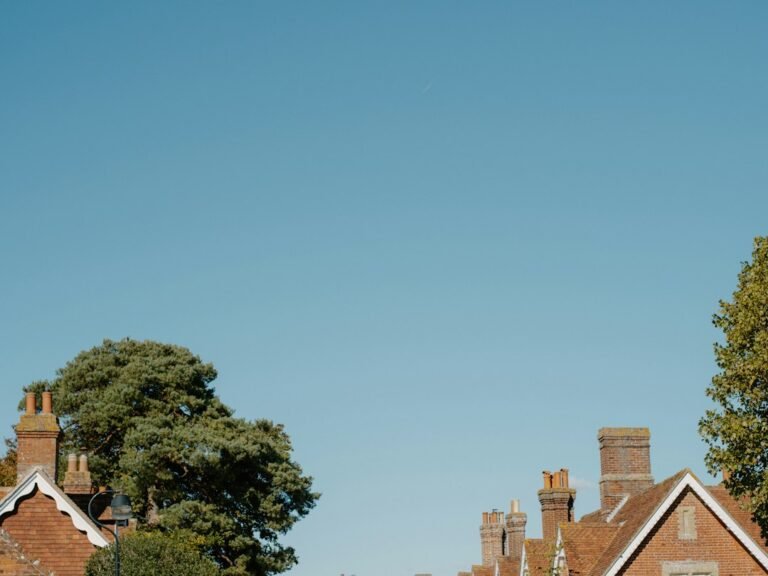
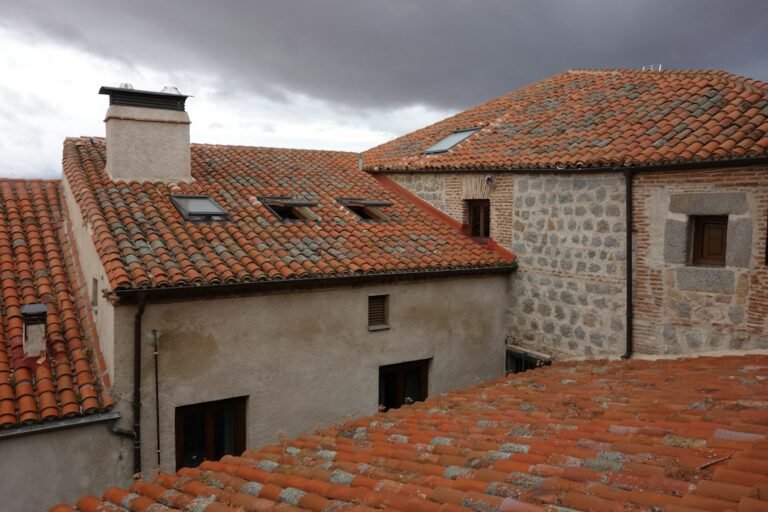
Fantasy Winter Firewood: Fuel Rights and Village Shortages
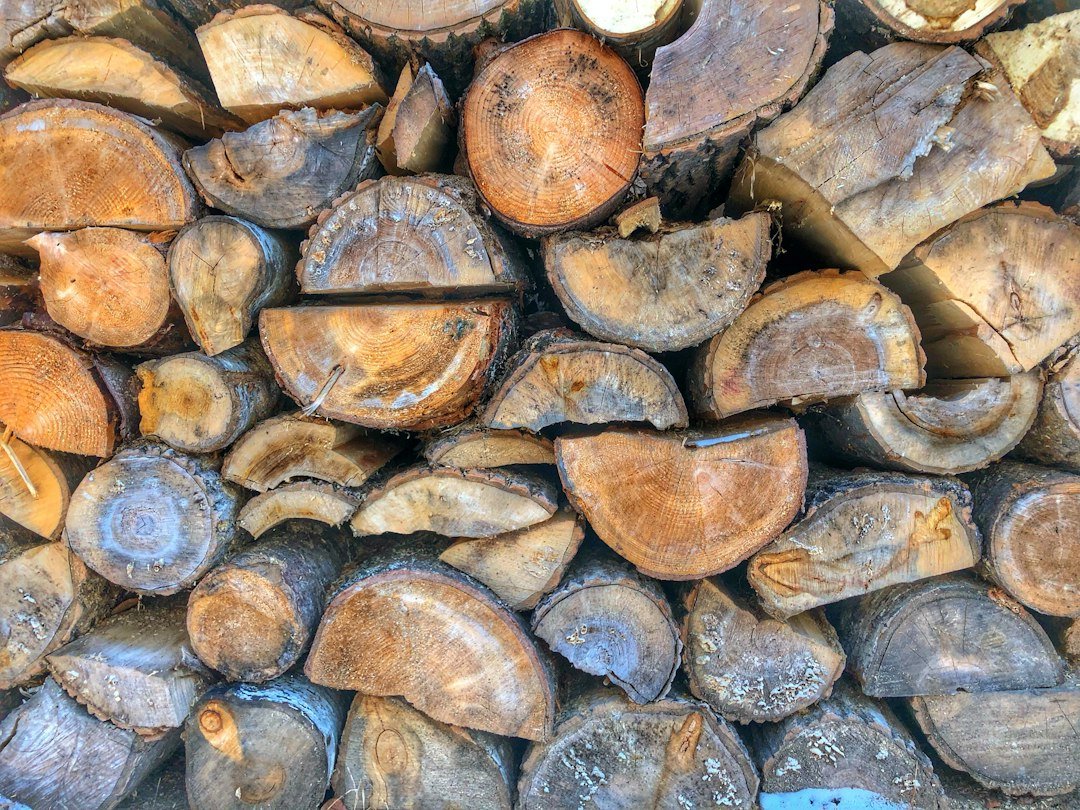
Fantasy winter firewood is a worldbuilding resource people must plan for long before the first snow. Households need fuel to cook and keep warm, but so do bakers, smiths, bathhouses, and public shelters. Someone cuts and moves the wood, someone stores it dry, and someone decides who may collect fallen branches in the nearby forest. A believable fuel supply connects geography, law, labor, and winter choices.
Start with the heating and cooking methods
Not every home has a large fireplace. Some households share a communal oven, others use enclosed stoves, and a city may rely on charcoal, peat, coal, or a magical heating source. Choose two dominant fuels instead of listing every possible option. Then ask how much of the settlement depends on each one. If wood is reserved for domestic hearths while bakers use charcoal, the market responds differently to a shortage. Our fantasy city fire-prevention guide helps link fuels and flues to ordinary safety.
Who is allowed to gather wood?
A nearby forest may belong to a noble estate, a temple, a village collective, or several owners with overlapping claims. Residents could have customary rights to gather fallen wood without permission to cut living trees. A paid woodsman might hold a separate contract to harvest trunks for winter stores. Make the rules understandable to local characters. A restriction becomes interesting when someone violates it for a defensible reason: a household is cold, or a public kitchen needs enough fuel to cook meals.
Wood needs drying and storage
Freshly cut wood does not automatically make ideal fuel. A settlement that relies on it must plan gathering, seasoning, splitting, transport, and shelter from rain. The wood yard might be just outside the walls, where carts can enter without blocking narrow lanes. A poor household may keep a small bundle beside the hearth, while a guild contracts for a full shed of dry logs. If the roads close, the fuel can be nearby and still impossible to deliver.
For the movement of supplies during heavy snow, see fantasy winter roads and pass closures. Weather changes which routes remain practical, not merely how a scene looks.
Give the fuel trade real workers
Woodcutters, sawyers, splitters, carters, yard keepers, and chimney sweeps may all contribute to keeping a town warm. One family business can fill several roles. The important question is where labor becomes scarce during winter. A woodcutter who is injured cannot replace a delayed shipment; a cart driver may need to choose between hauling fuel and carrying medicine. Such decisions make the settlement feel interconnected without tracking every log.
Worked example: Greywick’s communal wood yard
Greywick holds a village wood yard behind the council hall. Households contribute labor in autumn and draw an agreed amount during winter. The baker and infirmary receive separate allocations, funded by the market fee. This year a storm damages the road to the forest, and the council proposes reducing household portions while preserving fuel for the public oven. Some residents support the plan because the oven feeds many people. Others fear that elderly neighbors cannot travel to the hall for warmth.
The party can organize delivery teams, repair the road, negotiate temporary access to a private grove, or help the council publish a transparent tally. None of these solutions requires declaring that every official is corrupt. The story grows from a real shortage and competing needs.
What changes during a shortage?
People may gather in shared heated rooms, cook fewer hot meals, repair shutters, or spend more time at a communal kitchen. Some businesses shorten opening hours. A town that already tracks winter clothing and shelters may cope more fairly than one that leaves every household alone. Our fantasy community kitchens guide offers a way to distribute warm meals without assuming resources are unlimited.
Use tangible consequences rather than automatic catastrophe: a baker produces fewer loaves, a student spends afternoons at the library because it is warm, or two guilds compete for dry storage. The hardship should affect decisions, not exist solely for grim atmosphere.
Five firewood story hooks
- A shipment arrives damp despite the merchant’s guarantee of seasoned wood.
- Two families claim the same traditional gathering rights in a disputed grove.
- The public kitchen’s fuel ledger is accurate, but its delivery cart has vanished.
- A wealthy patron funds free hearthwood, then demands control over who receives it.
- A road crew needs timber for a bridge repair while residents are saving that timber for winter.
Each hook asks the characters to weigh a concrete need against another. A village’s fuel rules can be compassionate, unfair, or simply overstrained.
Copyable winter fuel worksheet
- Main fuels and uses: ___
- Fuel-gathering rights: ___
- Seasoning and storage: ___
- Workers and transport: ___
- Price or labor contribution: ___
- Emergency reserve: ___
- Who gets priority: ___
- What fails after a storm: ___
Can fire magic replace a wood yard?
Yes, if your magic system supports it. Then the worldbuilding question moves to who can cast it, how the service is funded, and what households do when a caster leaves or a spell fails. Energy has social consequences regardless of its source. A convincing fantasy winter is not measured by how much snow falls; it is measured by how people prepare and care for each other when the weather changes their routines.