Fantasy Chimney Sweeps: Soot, Fire Risk, and City Rules
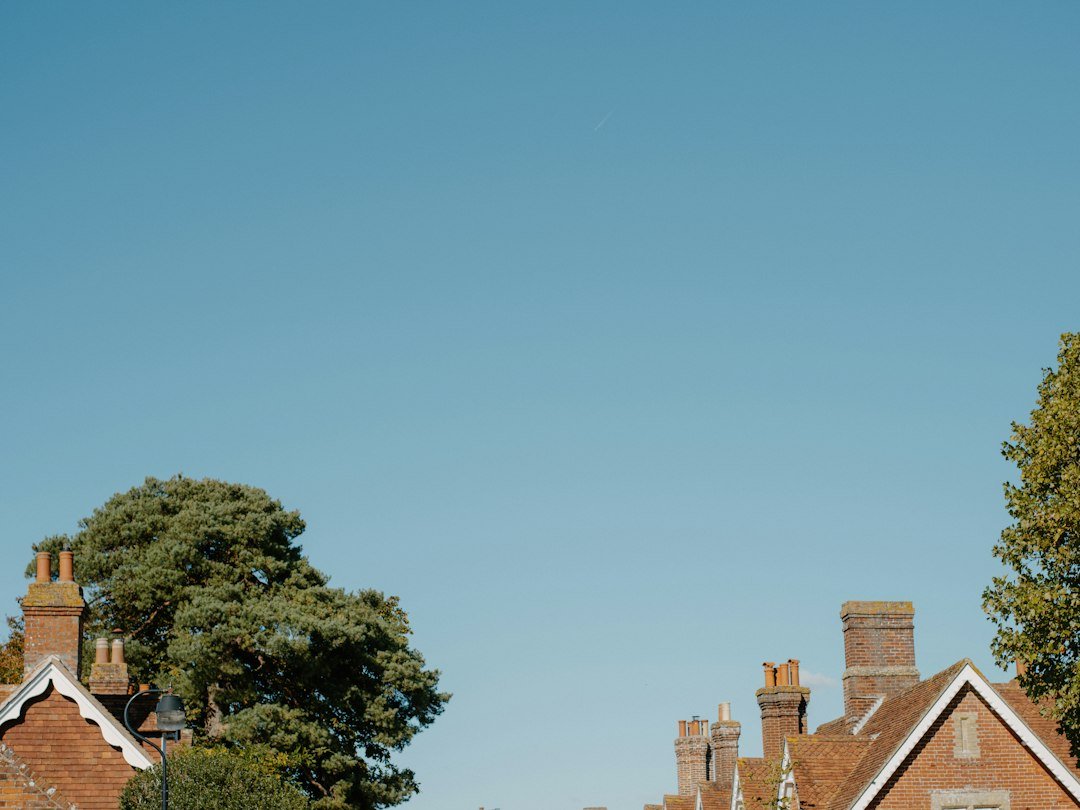
Fantasy chimney sweeps are easy to overlook while drawing a city of crowded inns, workshops, and impressive fireplaces. But smoke must leave those buildings, soot accumulates, and somebody has to keep the flues usable. Once chimney upkeep is treated as a service with workers, costs, and rules, a neighborhood becomes much easier to believe in. This guide builds a fictional sweep’s trade without assuming every fantasy culture uses the same heating technology.
First decide whether the buildings have chimneys
Some households cook outside or vent smoke through a roof opening. Others have dedicated hearths, enclosed stoves, or communal ovens. A city that burns charcoal, peat, or seasoned wood develops different routines from a community supplied with coal. Choose the dominant fuel and the form of fireplace before placing a chimney on every roof. A narrow flue in a tall building creates different access problems from a broad smoke hood in a single-story cottage. The fantasy city fire-prevention guide helps connect these choices to roofs, watch bells, and emergency response.
Map the work of one chimney sweep
Imagine a worker beginning at dawn with brushes, rods, a sack for soot, and a schedule of paying customers. They need safe access to the hearth, a way to contain mess, and permission to enter private rooms. Some jobs require roof access; others can be cleaned from below. The work is dirty and potentially dangerous, so a responsible fictional guild might insist on trained adults, ventilation, and a second person for difficult jobs. Do not romanticize historical exploitation: Bristol Museums’ history of chimney sweeps describes how children were harmed by the trade in parts of historical Britain.
Give inspections a reason and a schedule
In a prosperous city, inns may have to show a yearly clearance mark or keep a sweep’s receipt. A small village could rely on an experienced neighbor checking chimneys before deep winter. A bakery with constant fires needs more attention than a rarely used guest chamber. Rather than prescribing a universal schedule, decide who notices a problem and who has authority to order repairs. An inspector may identify a cracked masonry joint, while a sweep can remove soot but cannot rebuild the entire chimney. That difference between jobs creates believable delays.
What happens to the soot?
Cleaning produces waste. A sweep carries bags through streets, stores them temporarily, and finds a permitted disposal or reuse site. Perhaps gardeners buy small amounts for a particular purpose; perhaps the city’s ash yard treats all soot as dangerous refuse. Avoid assuming every material has a useful market. The important worldbuilding questions are who pays to remove the residue and whether a poorer district receives the same service. Our fantasy waste-disposal guide can help locate an ash yard and the workers who manage it.
Worked example: the Cinder Lane sweeps
Cinder Lane serves a steep district of brick tenements and workshops. Three licensed sweeps work from a yard behind the communal oven. Their inspection slips are stamped with a black triangle so customers know when the last cleaning happened. This winter the town council offers a discounted sweep to households that share a wall with the public granary. The policy makes sense: a chimney fire near stored grain could hurt everyone. Yet households two streets away say the council is helping only prosperous merchants.
One apprentice notices that several inspection slips carry the same number, even though the homes have different owners. The culprit may be a dishonest official, an overwhelmed clerk, or a printer who reused a plate. The plot grows from work records rather than a convenient villain.
Make fire safety generate scenes
The best small conflict has at least two reasonable viewpoints. A tenant wants an unsafe hearth repaired but cannot afford to miss a day’s work. The landlord says the fireplace was altered without permission. A sweep refuses to certify a flue that keeps leaking smoke into an upstairs nursery. The guard can close the hearth, but that leaves the family without heat. Let characters negotiate shelter, repairs, and responsibility rather than turning every inspection into a punishment. Nearby systems—winter clothing and community kitchens—offer humane alternatives during the repair.
Four ready-to-use story hooks
- A block’s inspection seals have been forged, and the watch cannot tell which houses are safe.
- A sweep discovers a sealed compartment behind an abandoned hearth, but opening it may damage the chimney.
- A guild dispute leaves the poorest ward without cleaning services before a cold spell.
- An innkeeper asks the party to find a missing sweep who had gone to inspect the council archive.
Each hook needs a specific location, deadline, and person with an understandable need. A blocked chimney can create danger, but it can also create a dispute over who deserves help first.
Copyable chimney-sweep worldbuilding worksheet
- Fuel and hearth type: ___
- Typical flue and building height: ___
- Who performs maintenance: ___
- Who checks their work: ___
- Inspection record or mark: ___
- How soot leaves the neighborhood: ___
- Who pays when repairs are needed: ___
- One unsafe exception: ___
Do all fantasy towns need professional sweeps?
No. Smaller communities may clean accessible hearths as household work, while a dense city with tall buildings can support specialists. Magic might remove soot, but then ask who casts the spell, how much it costs, and what happens when it fails. Once the answer fits the city’s architecture and economy, chimney sweeps become a natural part of life, not an arbitrary medieval detail.