Fantasy City Waste Disposal: A Worldbuilding Guide That Makes Sense
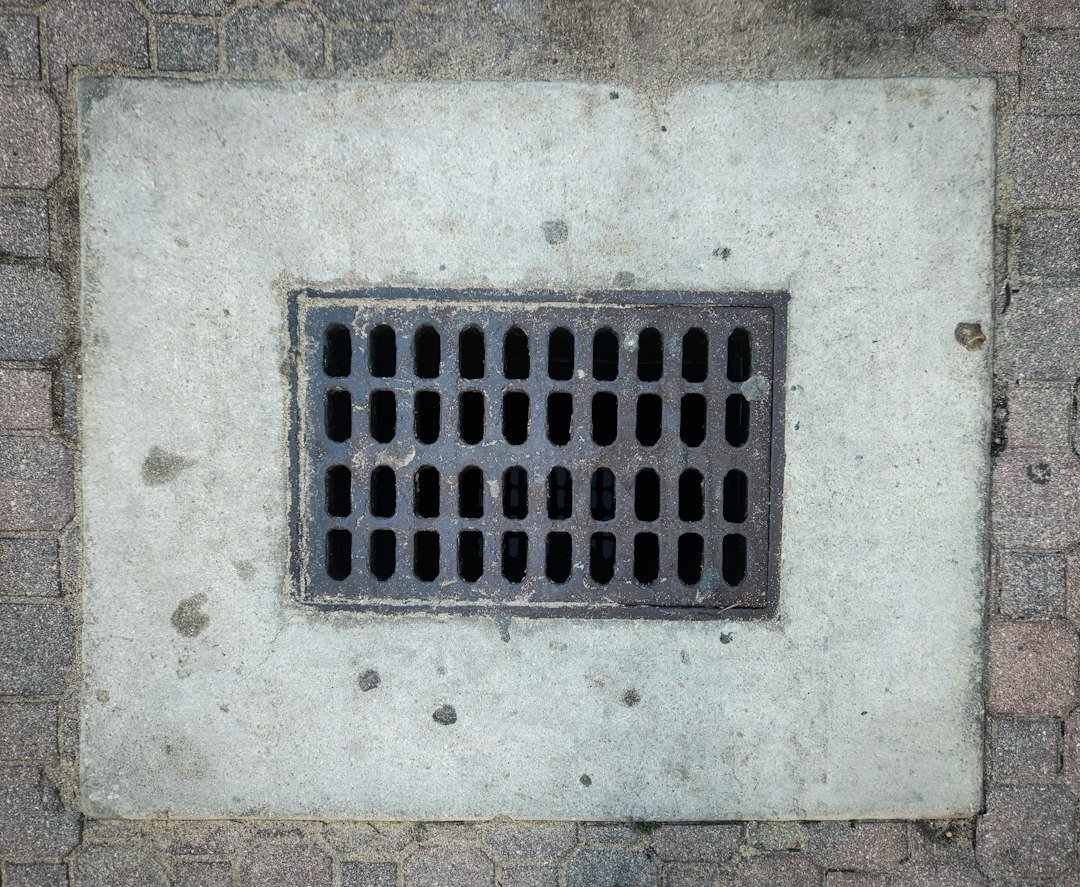
Fantasy city waste disposal is easy to ignore until your characters enter an alley, cross a canal, or descend into a sewer. Yet ordinary waste reveals how a city is governed: who cleans shared streets, where runoff goes, and which neighborhoods receive public investment.
You do not need an encyclopedic plumbing system. Decide what kinds of waste the city produces, how people move them away from homes and markets, and what happens when the system fails. This focused article supports our fantasy city districts guide and its everyday-services worksheet.
Separate household waste from street drainage
Begin with three categories: household refuse and human waste, runoff from rain or flooding, and waste produced by crafts and markets. They may intersect but are not identical. A covered drain designed to move stormwater is not automatically a safe system for disposing of all household waste.
Food scraps might go to animals or compost where appropriate, butchers and dyers create different problems, and busy roads collect mud and debris. Decide what local authorities consider unacceptable and whether their rules are enforced.
What does a resident do on an ordinary morning?
Imagine a household above a bakery. Where do they get water to wash? Is a shared privy available? Where do ashes and broken pottery go? Who empties the containers, and when? A low-income renter may have very different access from a manor with a courtyard and paid workers.
These practical questions create an atmosphere of lived-in detail. One sound of a refuse cart at dawn does more than paragraphs of generalized claims that the city is dirty or clean.
Streets need people who maintain them
A fantasy city might employ sweepers, water carriers, cart owners, ditch diggers, inspectors, and canal crews. Their schedules shape movement. The busiest market may be cleaned at dawn; a narrow lane may flood after a storm because the drain is blocked by vendor rubbish.
Give maintenance crews wages and authority. A skilled worker who knows every old channel under the city can be important in a flood investigation without secretly leading an underground thieves’ guild.
Where does the waste finally go?
Follow the route beyond the walls. A cart may travel to managed dumping grounds, a controlled compost area, or processing locations that fit local geography and technology. A canal can move runoff but can also create contamination downstream. Do not solve the city’s problem by having everything vanish into a river without consequences for communities using that water.
Our river trade and flood-season guide gives a useful starting point for how water connects different districts and settlements.
Example: Bellport after three days of rain
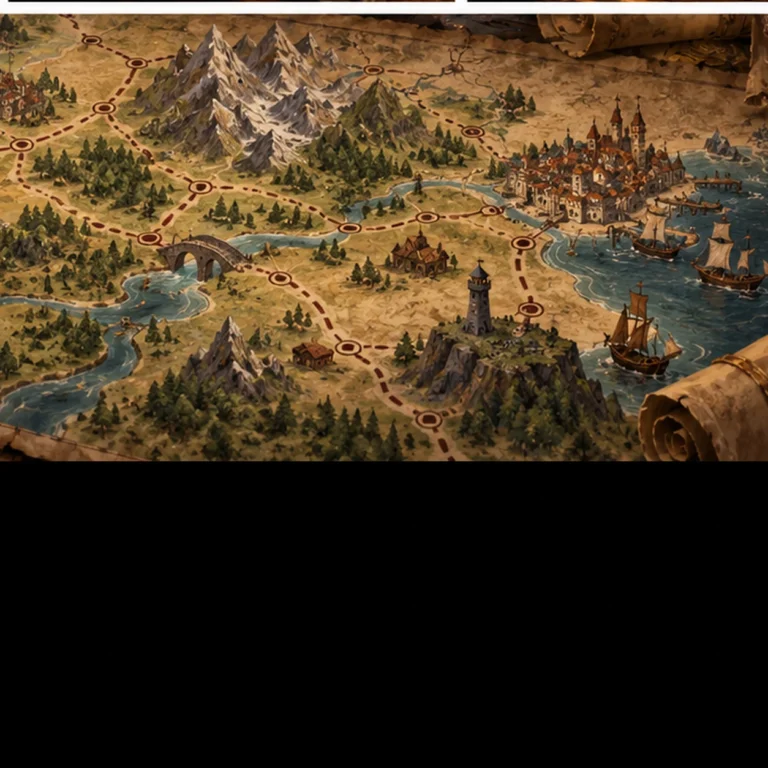
At Bellport’s Lantern Quays, rain has filled the lower drains with mud. Market runoff backs into warehouse yards. The council blames stallholders for dropping refuse, while the stallholders insist that the old culvert was blocked during bridge repairs. A veteran drain keeper, Sela, has a map showing an older overflow channel.
The characters can help clear the obstruction, persuade the council to reopen the channel, examine whether the construction crew was responsible, or decide not to get involved. The problem produces playable conflict without requiring the city to be absurdly negligent or the scene to become grotesque.
Rules can create class and political tensions
Who pays for carts: landlords, homeowners, guilds, or the city? Which streets are cleaned first during a crisis? Does the ruler favor wealthy avenues while working neighborhoods wait? Inequality may exist, but avoid writing every poorer district as a filthy caricature. Residents organize, share work, petition officials, and often have practical expertise outsiders lack.
Sanitation is also a public-health concern. Different societies may understand causes differently, but they can still observe that certain conditions are unhealthy and establish rules around them.
How does magic change sanitation?
A spell that removes waste from one building may transfer it elsewhere or require costly daily casting. A magical purification fountain could improve drinking water while leaving blocked street drains untouched. Establish what is transformed, transported, or destroyed, and who controls that service.
Magic is most interesting when it creates new responsibilities instead of rendering infrastructure irrelevant.
Five low-combat story hooks
- A blocked culvert reveals a forgotten part of the old city.
- A drain crew refuses work until overdue wages are paid.
- Two neighboring wards dispute the location of a new disposal yard.
- A market closure threatens food sellers during a festival.
- A mysterious stain appears only in runoff from one workshop.
Sanitation worksheet
Record the main sources of waste, the normal daily collection routine, who performs the work, where material goes, which waterways are affected, the rainy-season failure point, the governing rule, and one person campaigning to change it.
Good worldbuilding treats the workers and institutions as part of the city, not as scenery. Once you know who handles an ordinary street after a hard rain, your city becomes much easier to write.





One Comment