Fantasy Bridge Maintenance: Who Repairs the Crossing?
Fantasy bridge maintenance is a worldbuilding detail that turns a convenient river crossing into an institution people depend on. Someone must inspect loose stones, clear flood debris, pay workers, and decide when the bridge closes. Once you know who carries those obligations, you get politics, trade problems, and grounded adventure hooks for free. This guide looks at bridge repairs rather than repeating a list of fantasy bridge tolls.
Choose the crossing’s purpose before its materials
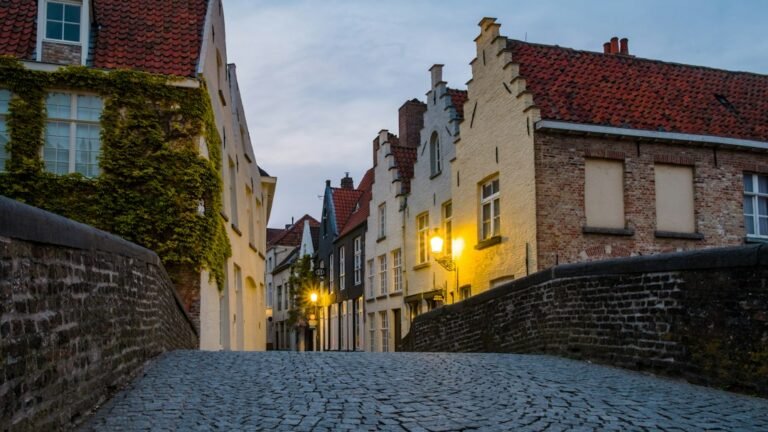
A footbridge serving a mill is not the same as a stone bridge on a royal road. The first may be narrow enough for carts to unload before crossing. The second needs room for heavy wagons, guards, and occasional livestock. Identify the largest regular load and the busiest season. A bridge that moves grain after harvest faces different pressures from one serving a monastery and its pilgrims.
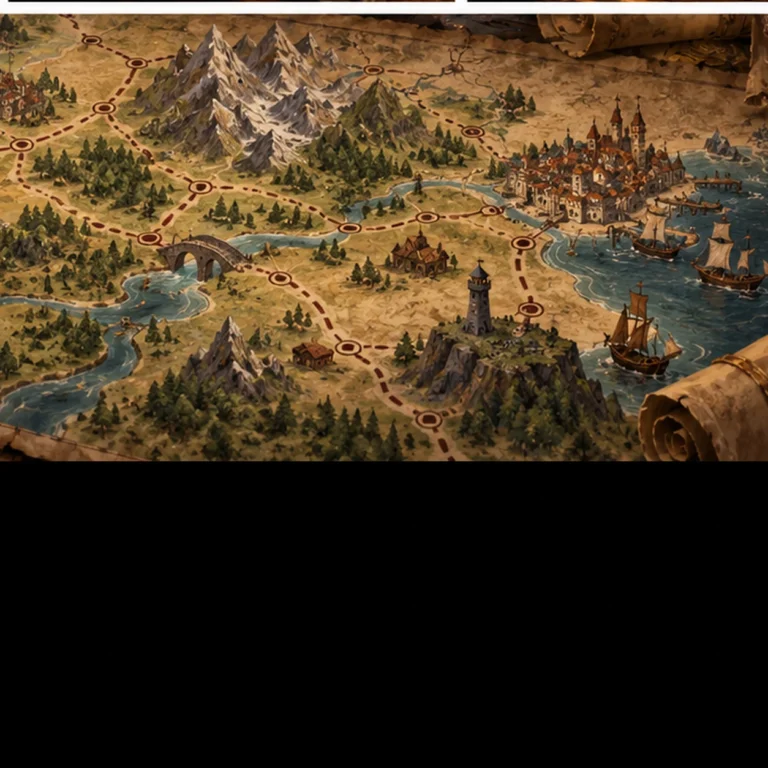
Also draw the routes that lead to it. A bridge is rarely an isolated landmark: nearby markets, inns, ferry landings, and customs posts exist because of the crossing. For how the crossing influences regional routes, connect this exercise to our fantasy trade route guide.
Assign responsibility for inspections
Give the bridge a named keeper and a practical inspection routine. A town-appointed warden may inspect the parapet after every flood and report a missing stone to the council. A monastery might maintain a small pedestrian bridge as an act of service. A merchant guild could repair a major road bridge because members profit when carts keep moving. A noble might claim the rights while delegating actual labor to a resident foreman.
Responsibility can be divided. One official collects fees; another commissions the repairs; a third controls access during danger. Conflicting authority explains why the bridge is still broken. In historical medieval England, bridge repairs could be funded through tolls, public obligations, and private contributions—useful inspiration, not a single universal rule (Oxford Academic overview).
Decide what wears out first
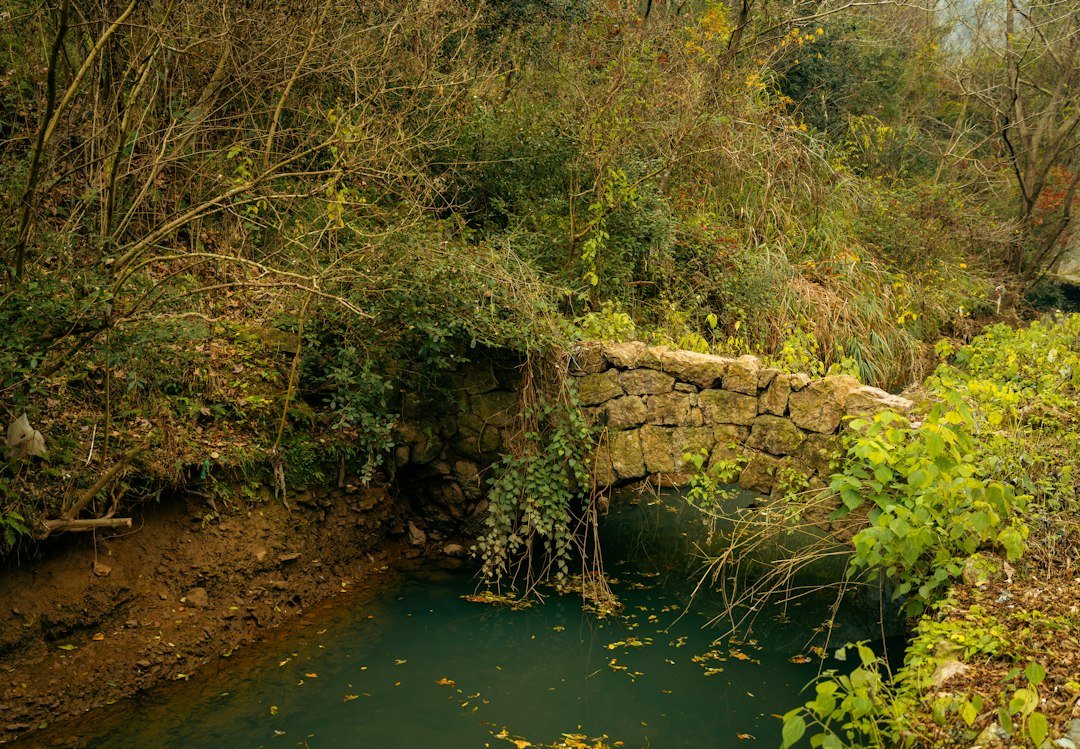
Most fantasy maps draw their bridges as permanent objects. In practice, useful story pressure comes from ordinary decay: rotten decking, shifted stones, washed-out approaches, weakened foundations, clogged channels, or damaged railings. The approaches on either bank may fail before the impressive central span. A bridge can be passable for pedestrians but closed to loaded wagons.
Pick just two vulnerabilities and give each a maintenance task. A timber section needs replacement planks each spring. Flood debris must be cleared before heavy rain. A winter freeze can damage joints; a thaw can make the riverside road impassable. If magic reinforces the span, give that protection a known limit or recurring inspection cost.
Write a bridge repair budget in plain language
You do not need a realistic engineering estimate. Divide the budget into labor, materials, transportation, and disruption. Labor pays masons, carpenters, haulers, and watchers. Materials include timber, lime, iron fittings, and stone. Transportation might be the largest problem if replacement blocks arrive from far away. Disruption is what merchants lose while traffic diverts to a ferry.
Decide who can pay for a sudden repair and who controls the money. A per-crossing fee may build a reserve; a seasonal levy may fall heavily on farmers; a rich donor may demand naming rights. Our fantasy bridge tolls guide explains how the fee itself creates choices. Repairs give those fees a reason to exist.
Worked example: Three Bells Bridge
Three Bells Bridge joins two boroughs of the city of Velis. The eastern ward collects wagon tolls, while the western guild pays for labor. Every autumn, the bridgekeeper hires boatmen to clear branches caught against the central pier. This year, a flood removes the western approach. The bridge remains safe to walk across but not to drive a loaded cart over.
The eastern council insists the toll contract covers only the span, not the road. The western guild claims it cannot repair property it does not own. Farmers must carry sacks by hand and pay porters. Meanwhile the ferry operator offers a temporary route at an unusually high price. The party could investigate corruption, organize a repair fund, or negotiate a fair crossing agreement.
Turn closure rules into social stakes
Give characters accurate warnings about whether they can cross. A red lantern might mean no wagons, two bell strikes could close the span for one hour, and a posted notice could show who signed the order. Keep enforcement consistent: do guards turn back every traveler, or do powerful patrons receive exceptions? A smuggler’s opportunity is strongest when the official system works imperfectly, not when every guard is foolish.
Travelers can choose a longer road, a ferry, or a risky crossing, with information about costs and time. If you need a nearby alternative, see our guide to fantasy ferry schedules and fares. A credible detour is more interesting than a simple ‘the bridge is out’ wall.
Five bridge-repair story hooks
- The bridgewarden’s repair ledger lists timber that was never delivered.
- A temporary footbridge serves villagers but excludes carts carrying relief grain.
- An old mason discovers an earlier repair concealed an inscription beneath the parapet.
- Two guilds argue over responsibility for a bridge that crosses their boundary.
- A noble will pay for repairs only if a free public crossing becomes privately controlled.
Each hook asks who has the authority, materials, time, or trust to keep the crossing open.
Copyable bridge-maintenance worksheet
- Main users: __________
- Safe carrying limits: __________
- Bridgekeeper: __________
- First likely failure: __________
- Inspection schedule: __________
- Repair workers and materials: __________
- Funding source: __________
- Who loses during closure: __________
- Alternative crossing: __________
A bridge becomes memorable when people care whether it stays open tomorrow. Treat it as public infrastructure with obligations, and the crossing will start producing stories long before anyone draws a sword.