Fantasy Market Day Worldbuilding: Stalls, Rules, and Stories
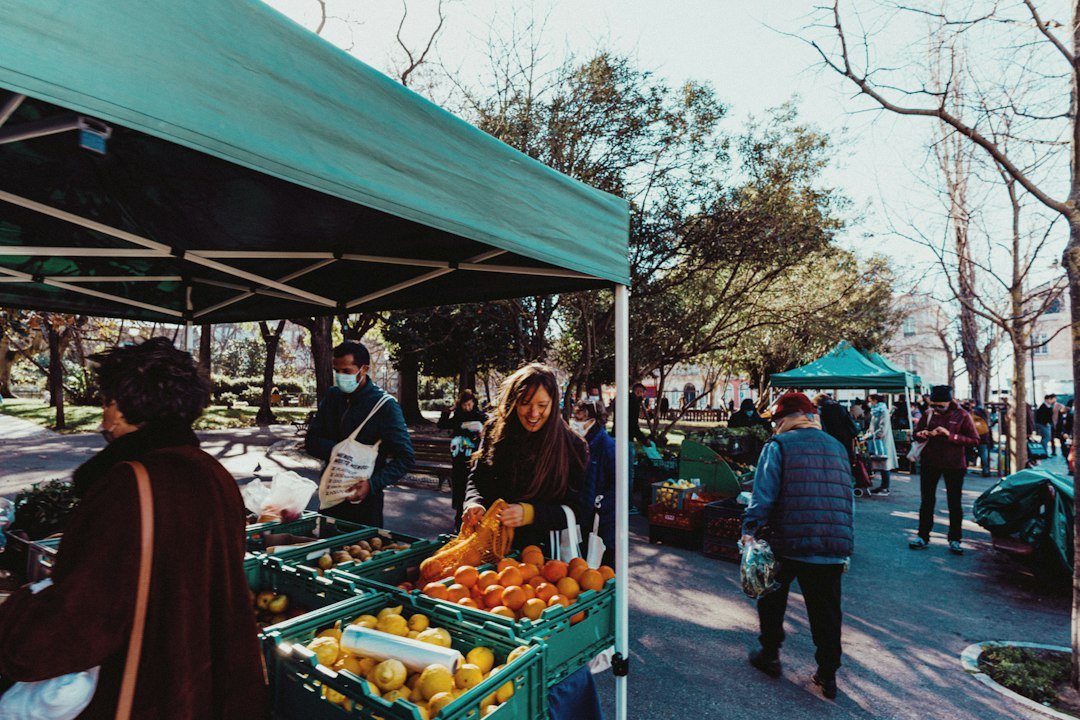
Fantasy market day worldbuilding begins with a practical question: why do people gather here on this day instead of buying everything whenever they want? A market may coincide with the arrival of river barges, a weekly religious gathering, seasonal harvests, or the rare opening of a mountain road.
A good market is more than colorful stalls. It is an institution with rules, workers, prices, and relationships. The details support scenes, stories, and TTRPG adventures without requiring an attack in the middle of the square.
Decide how often the market happens
In a small settlement, traders may arrive on a regular weekly day, while a great regional fair might occur only when roads open after winter. Large cities can sustain daily markets, but individual neighborhoods may specialize. Schedule should follow travel, supply, and local demand.
For the wider network bringing goods into town, see our fantasy trade routes guide.
Choose five things people truly need
Before inventing magic trinkets, list common purchases: food, fuel, cloth, tools, animal feed, pottery, repairs, and services. Then add one locally distinctive product. A fishing town sells smoked eels; a dry hill settlement trades stored herbs; a mining village specializes in replacement handles and boots.
Stalls should reflect what households can afford. A traveling merchant selling enchanted rings is noteworthy precisely because ordinary trade looks different.
Who is allowed to sell?
A town may rent numbered spaces, grant guild privileges, collect small entry fees, or reserve stalls for residents. Visiting traders might need a witness or pay a separate levy. Officials inspect weights for fairness; some communities maintain a public scale.
Rules are useful because people disagree about them. A new fee can enrich the town while hurting growers who travel long distances.
In a larger settlement, the streets around the market can become a recognizable neighborhood of their own. Our guide to fantasy city districts shows how markets, routes, and daily work give neighborhoods their identity.
Example: the Bellford market
Bellford’s market opens each fifth day when river barges arrive. The square has a bread row near the ovens, a muddy livestock enclosure, and a covered hall for cloth. The market keeper records stall rents in a battered ledger. After a week of floods, inland farmers arrive late, so bread prices rise despite full fish stalls.
An adventurer might need to find a rare ingredient, compare two conflicting accounts of a stolen cargo, or help a displaced vendor regain her stall. The market offers social choices because the economy has a rhythm.
Let prices tell the truth about the season
You do not need to design every coin conversion. Decide what is abundant, scarce, newly fashionable, and difficult to transport. A damaged bridge can make salt expensive while grain remains cheap. If a town hosts a major festival, lodging and prepared food may cost more temporarily.
Our fantasy currency worldbuilding article covers everyday payment questions, while seasonal festivals explains why markets and holidays often intersect.
Give sellers work beyond shouting prices
Someone unloads carts before dawn. Someone checks spoiled food. Porters carry sacks, apprentices fetch change, officials settle disputes, and cleaners restore the square afterward. A market day is labor, not just a backdrop for the hero’s shopping list.
These workers notice things nobles miss. The porter knows who came early; the scale keeper knows which merchant changed bags; the cook knows which family has stopped buying bread.
If you are turning those market customs into a scene rather than a setting note, our fantasy market-scene writing guide uses character goals and concrete trade details to build tension.
Market etiquette can signal culture
In one town, prices are fixed by public boards; in another, courteous bargaining is expected. Some traders offer samples, others refuse to open a sealed package. Visitors may need local introductions, and a public bell may signal the legal beginning of trade.
Do not present one custom as universally “medieval.” Choose what suits the economy and maintain consistency.
Six market-day story hooks
- A vendor’s official stall number belongs to someone who died last winter.
- Two rivals claim the same wagon arrived first.
- A flood makes the town’s only working scale inaccessible.
- A public notice changes the allowed price of a staple.
- A courier delivers an order to confiscate goods after they have already been sold.
- A craftsperson refuses the guild’s inspection, and customers take sides.
Markets depend on trained makers, apprentices, and guild rules as much as they depend on traders. To understand who may learn a trade, set prices, or work under contract, see our fantasy guild apprenticeships guide.
Compact market day worksheet
Market schedule; three staple goods; two specialist stalls; governing authority; common payment method; a local price shock; the busiest worker; one outsider; and one public rule under dispute. Answer these and the market becomes a place characters can investigate, enjoy, or change.



4 Comments