Fantasy Fish Markets: Fresh Catch, Salt, and Smokehouses
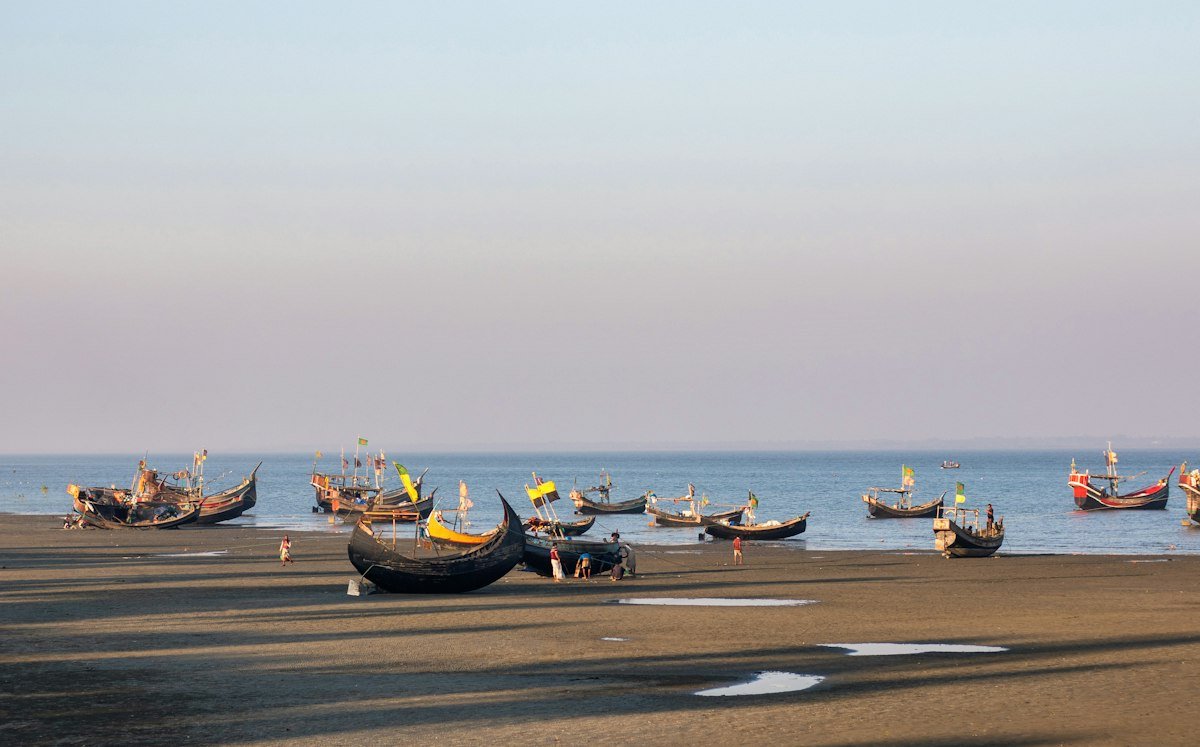
Fantasy fish market worldbuilding gets more interesting when the market is treated as a race against time. Boats return with a catch that must be unloaded, sorted, sold, processed, or stored. The market connects sailors to porters, cooks, salt merchants, guards, and families. Its most distinctive stories often begin with an ordinary question: what happens to the fish that does not sell before the weather turns?
Separate fresh sale from preservation
Fresh fish may reach nearby kitchens quickly, while fish intended for distant markets needs an appropriate preservation method. Drying, salting, and smoking have long histories, but they vary by species, climate, and equipment. The FAO’s overview of fish handling and processing explains why preservation involves controlling moisture and handling rather than merely placing food near a fire. Use the principle for fiction, not as home food-preservation instructions.
Design the market around the tide and the clock
Fishing boats may return at different hours, especially when weather or tides limit access. A covered quay lets workers unload during rain; a narrow gate can hold up carts. Sellers need space to sort catch and negotiate prices, and buyers must carry purchases toward kitchens or processing houses. Give the market a regular opening bell and a late-arrival policy. For geography and changing fishing conditions, see the fantasy fishing town guide.
Who handles each part of the catch?
A fishing crew brings the fish ashore. Porters move baskets, inspectors check the sale rules, merchants buy larger lots, and craftspeople maintain nets, barrels, and smokehouse equipment. A fishmonger who sells to families may not own a boat; a wealthy wholesaler may rarely visit the dock. Name one worker for each key transfer. A missing cart driver can change the day’s trade without requiring sabotage or an evil guild.
Salt, smoke, and trade routes
Preservation industries depend on supplies such as salt, barrels, clean work areas, fuel, and transport. A salt shortage can affect exports even after a plentiful catch. A smokehouse may be barred from operating next to crowded homes because of fire and nuisance concerns. A river or coastal route might carry cured fish much farther than the fresh catch. Connect the system to our fantasy trade routes guide rather than inventing distant trade without logistics.
Worked example: the White Gull market
The White Gull quay serves a cold northern fishing town. At dawn, households buy fresh catch from narrow stalls. Larger baskets move toward two smokehouses near the outer wall. One morning the harbor channel is too shallow for the fleet’s usual landing. A merchant offers to buy the entire catch at a discount, arguing that the fish will spoil before the workers can carry it from the smaller landing. The fishers want a fair price; the porters want compensation for the longer route.
The party might organize extra carts, broker a transparent auction, or ask the council to open a temporary landing place. A small procedural decision can change who earns money this week and who trusts the market next season.
Show freshness and food safety responsibly
Fish is perishable. In fantasy fiction, a market’s cold rooms, shaded stalls, timely deliveries, and trained processors can make practical sense, but do not imply any simple historical technique is guaranteed safe by modern standards. Poor handling can create illness, waste, and disputes over inspection. If magic preserves the catch, describe its limits: perhaps only the harbor’s public storehouse can afford the spell. Somebody still has to decide who gets access.
Four fish-market story hooks
- A delayed fishing fleet arrives just as the council closes the quay for repairs.
- A salt merchant’s contract gives the largest smokehouse priority during a shortage.
- A damaged barrel exposes an old mark from a supposedly lost trade route.
- Small sellers petition to keep their stalls when a wholesaler leases the whole market.
Use a deadline and at least two reasonable outcomes. The strongest hook is one that grows from the market’s ordinary work.
Copyable fish-market worksheet
- Landing place and tides: ___
- Main catch and buyers: ___
- Fresh-sale hours: ___
- Processing and storage: ___
- Salt, fuel, and barrel suppliers: ___
- Workforce and contracts: ___
- Inspection and complaints: ___
- One market-day disruption: ___
Does every port need a smokehouse?
No. A small settlement might consume catch locally, sell it immediately, or transport it to a neighboring processor. A larger trade port can support specialized facilities and inspectors. Decide how far the fish must travel and which workers make that possible. The result is a waterfront that feels inhabited, not merely decorated with nets.