Fantasy Water Rationing: Well Queues and Drought Rules
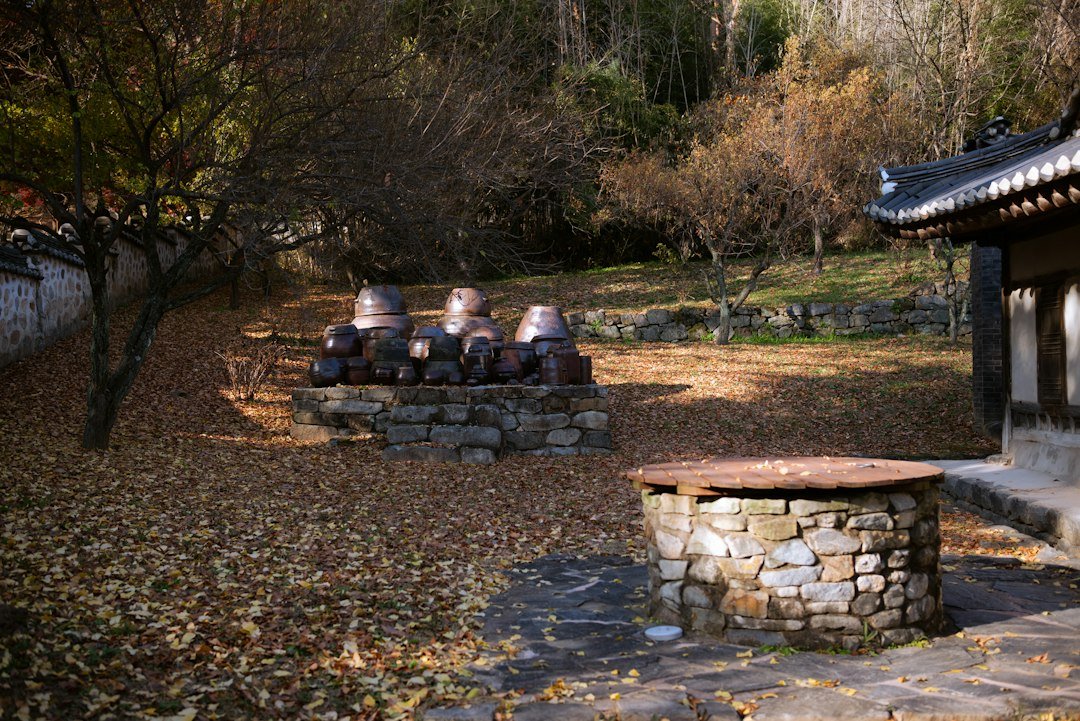
Fantasy water rationing becomes compelling worldbuilding when a shortage changes ordinary routines. Who waits at the well first? Which businesses are allowed extra water? Does a city guard the reservoir, or trust neighborhood keepers? This guide builds a believable rationing system with clear rules, a worked town example, and story hooks that grow from practical needs rather than arbitrary cruelty.
Begin with why water is scarce
Drought is one possibility, but an otherwise wet city can also face trouble. A damaged aqueduct may reduce supply, a flood may contaminate a well, a siege may cut off the riverbank, or an unusually cold winter may freeze poorly protected pipes and channels. Pick one immediate problem and one reason it cannot be solved in a day. Otherwise rationing looks like a convenient obstacle rather than a system people have to manage.
Understand the normal supply first. The fantasy city water supply guide covers wells, cisterns, and routes to households. Rationing begins when that everyday network is no longer meeting demand, and people must decide which uses can wait.
Separate drinking, washing, and working water
Not every customer wants the same water. Families need safe water for drinking and cooking. Bakers, dyers, laundries, stables, bathhouses, and some workshops need water for their trades. Fire prevention requires a reserve that might be unused for days and essential within minutes. A ruler who simply decrees ‘one bucket per person’ has ignored the way the town functions.
Set priorities visibly. First protect drinking and cooking; then decide what is reserved for illness, emergencies, animals, and necessary work. Different neighborhoods may disagree about the order. A wealthy mansion’s garden is easy to criticize; a tanner’s water use is less glamorous but supports local income. Rules can be disputed without making every side unreasonable.
How does the well queue actually work?
Give the queue a time, a place, a keeper, and a way to measure withdrawals. A public well might open at sunrise for households, reserve midday for businesses, and close at dusk to prevent accidents. Tokens may represent family allocations, but they require someone to issue and replace them. A chalk tally is simpler and easier to forge. A watch officer who enforces every bucket makes the system visible but expensive.
Decide what happens when people arrive late. Are workers allowed to send a child, neighbor, or hired carrier? Does a sick household receive priority? Can a household that owns a cistern sell its excess? Access rules become story material because they shape whose time matters.
Example rationing notice from the town of Wickmere
Until the South Well is repaired, the Market Well shall open at first light. Households may draw their marked allotment before the noon bell. The infirmary and fire brigade may draw from the east cistern at any hour. Bakers and washhouses must apply to the water keeper for additional measures. Tampering with tokens will be reviewed at the council hearing each fifth day.
This invented notice gives players or readers usable information: a deadline, an authority, exceptions, and a way to appeal. It also raises questions. Why was the South Well closed? Can the water keeper be trusted? What happens on the fourth day when flour and laundry both run short?
Use shortages to reveal class and geography
Uphill districts might depend on carrying services; riverside homes may have access to questionable water; a noble household can store reserves for weeks. A rationing rule that looks equal on paper may be unfair when some people must walk an hour to use it. One household can send three servants while another cannot leave the children unattended.
Show these differences through action rather than a speech. A clerk arrives late for work because the queue doubled; a baker changes recipes; a bathhouse closes its hot room; a wealthy patron sends a wagon of empty barrels through a crowded street. For related daily infrastructure, see fantasy bathhouse logistics and fantasy city districts.
Give water keepers limits and responsibilities
A good water keeper isn’t only a guard with a club. They inspect buckets, prevent contamination, explain exceptions, mediate disputes, and report broken equipment. The position may be respected, elected, appointed by a guild, or inherited. If a keeper cannot read, perhaps a trusted scribe maintains the tally. A magical seal might certify tokens, but someone still needs to verify a household’s needs.
Choose a way to challenge a bad decision. People can appeal at a public hearing, petition a shrine, ask a neighborhood elder, or provide evidence of a broken reservoir. That mechanism keeps rationing from becoming an arbitrary rule that exists only to frustrate characters.
Five story hooks from a water shortage
- A well keeper discovers that someone changed the nightly cistern reading.
- The infirmary’s emergency allocation is running low, but the fire brigade refuses to release its reserve.
- A laundress offers to reveal who poisoned the stream if the council restores her work permit.
- Residents organize water-carrying shifts for people who cannot reach the well.
- A merchant offers free barrels in exchange for exclusive rights to the repaired spring.
Each problem invites investigation, cooperation, or negotiation. The conflict is about whose needs count, not merely whether the party can afford a fee.
Copyable water rationing worksheet
- Cause and likely duration: __________
- Remaining sources: __________
- Priority needs: __________
- Queue hours and locations: __________
- Measurement or token method: __________
- Keeper and appeals process: __________
- What businesses change: __________
- What happens if the shortage lasts another week: __________
How strict should fantasy water rationing be?
Strictness depends on the shortage and the society. A small settlement may rely on public trust; a besieged city may guard every source. What matters is that the rule has an understandable cause and predictable consequences. If a character breaks it, show whom their choice affects and what alternatives existed.
Water rationing works as worldbuilding when it connects the city map to people’s time, labor, and relationships. Even a single crowded well can make a place feel inhabited.