Fantasy Street Lighting: Lanterns, Curfews, and City Life
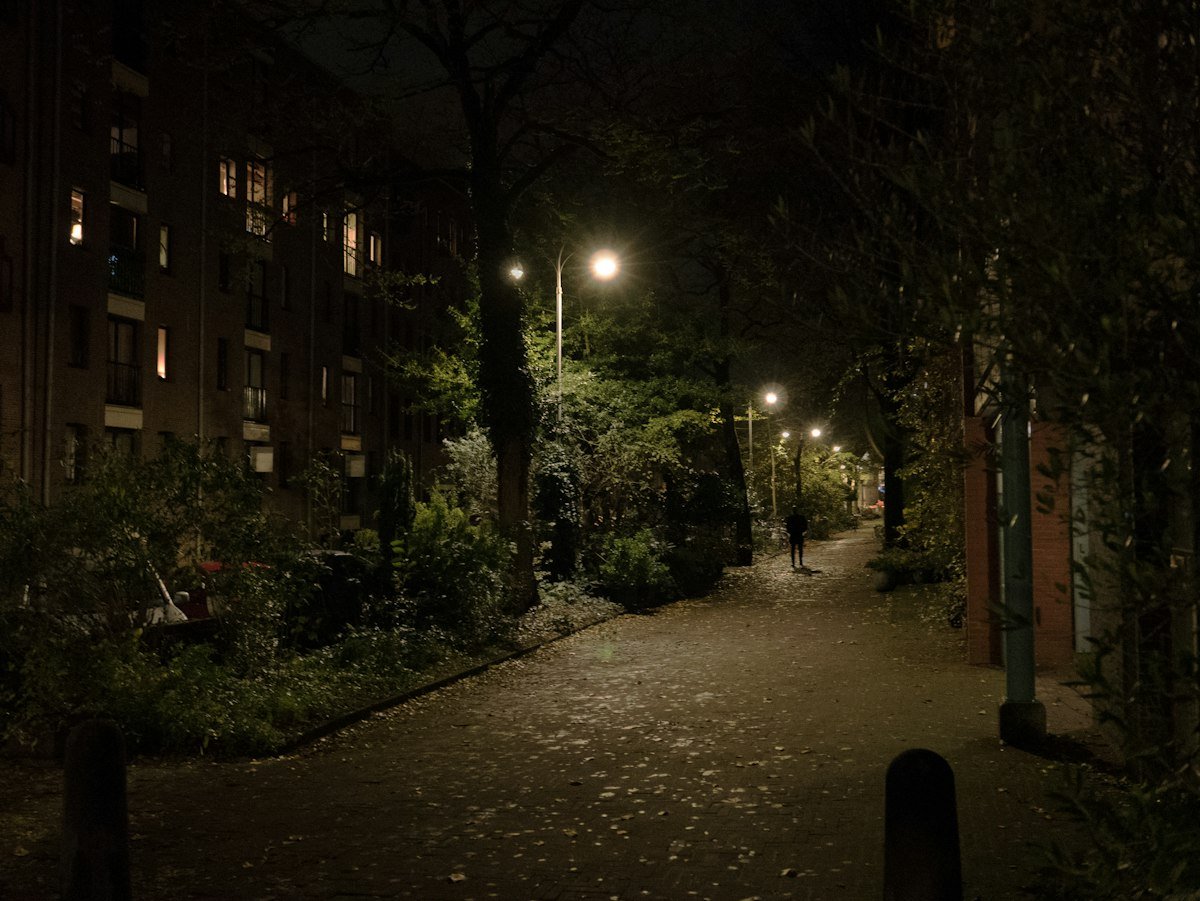
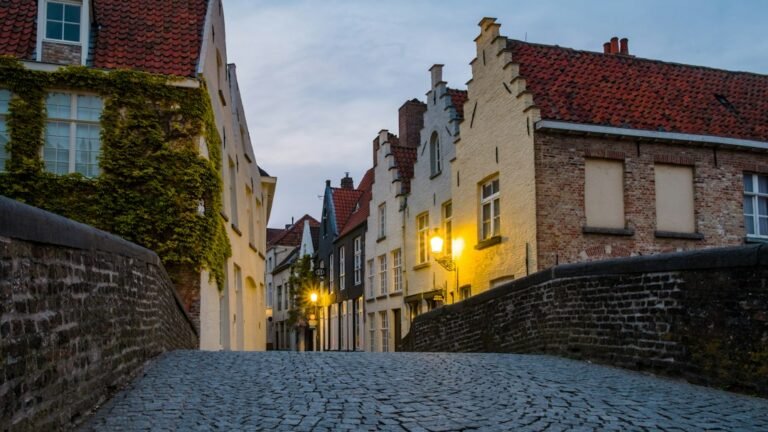
Fantasy city street lighting is the practical question behind this guide. Fantasy city street lighting is an unusually useful worldbuilding detail because illumination changes who can travel, work, and feel safe after sunset. A city with lanterns along its wealthy avenues but none near the docks has already drawn a social map. Even magical lights need placement, upkeep, and someone to decide where they belong.
Start with the darkest ordinary journey
Follow a baker leaving before dawn, a midwife called across town, or a dockhand finishing after sunset. What do they carry to see the way? Which corners remain dark? A believable lighting plan begins with familiar routes rather than ornamental lamps on every street. Poor light also affects carts, animals, steps, and people who cannot see hazards easily.
Pick fuel and maintenance together
Oil, candles, gas, magic, and sheltered flames create different jobs. Traditional lamps need cleaning, refilling, replacement glass, and protection from wind. An enchanted lantern still needs a maker, a power source, or an inspection rule. Do not give every street unlimited light unless the setting can explain who pays and why public priorities differ.
Decide where light is a public service
The bridge, market square, hospital steps, and guardhouse may receive city-funded lamps because traffic there benefits everyone. Wealthy merchants might sponsor lighting near their shops. A neighborhood association could pool money for one shared lantern. That means lighting disputes are budget disputes, and a new lamp can become a powerful sign of political recognition.
Separate lighting rules from curfew rules
A curfew can exist without street lighting, and a lit district can stay open late. Decide which gates close, whether night workers carry permits, and how emergencies are handled. A city that needs overnight bakers and river guards cannot logically lock every resident indoors at dusk. Exceptions can be plausible without turning the watch into an arbitrary obstacle.
Make festivals and market nights different
Ordinary nights may be dim while festival nights feature borrowed lanterns and temporary poles. A night market could pay extra for fire patrols and street cleaning. These events give you visually striking scenes while preserving the everyday cost of illumination. The contrast also lets residents recognize when something unusual is happening in the city.
Give darkness consequences other than crime
An unlit stairway can delay deliveries, discourage older residents from traveling, or make an urgent medical visit difficult. If every dark alley contains thieves, nighttime worldbuilding becomes predictable. Use darkness to change pace, communication, work, and trust; a missing lamp might matter because someone expected to return home through that route.
Worked example: put the idea into practice
Bellport’s western quay has twelve public lanterns, but two are out after a storm. The fishmongers demand repairs because their earliest deliveries use the quay; the council prioritizes the main gate before visiting merchants arrive. A young lamplighter offers to repair both for a favor: permission to inspect the locked fuel shed. The problem generates negotiation, a municipal record, and a nighttime journey without requiring a combat encounter.
A five-point checklist you can reuse
- Who lights and extinguishes each lamp?
- Which three routes are lit first?
- Where do residents still carry their own light?
- What happens during storms or fuel shortages?
- How do night workers prove they may be outside?
Common mistakes and how to revise
Start by asking whether your design has a clear consequence for an ordinary person. If the answer depends on a secret explanation nobody can discover, bring the cause into the setting through a visible routine, object, or decision. Avoid adding complicated mechanics merely to make the idea seem serious. A useful draft tells a reader or player who wants something, what makes that difficult, and which choice could change the outcome.
Frequently asked questions
Would a medieval-style city have streetlights?
Not necessarily, and a fantasy city need not copy one historical place. You can choose household lanterns, privately sponsored lights, civic lighting, or magical infrastructure, then show the labor supporting that choice.
Does magical lighting remove nighttime tension?
Only if it is free and universal. Placement, failures, permissions, and limited coverage still shape the night.
Build on related Kobold’s Rest guides
For the surrounding context, see our guides to district-by-district city planning and fantasy night-watch patrols. Those related pieces develop a different part of the same problem, so you can expand your project without repeating the whole explanation.
The strongest version of this idea remains useful after the first surprising reveal. Write down what changes, who remembers it, and which choice the characters can make next. If you can answer those questions in a sentence, the setting or scene will have enough structure to move forward without forcing a single outcome.