Fantasy Common Grazing Rights: Pastures, Fences, and Disputes
Fantasy common grazing rights make rural worldbuilding more interesting than adding another farm beside a village. Shared pasture raises questions about access: who may put animals on the land, for how long, and who repairs the boundary fence? The answers shape food supplies, livelihoods, and local politics. A believable common is a managed landscape, not simply a patch of grass that belongs to nobody.
What does a grazing right mean?
In some historical systems, the right to pasture animals was separate from outright ownership of the land. The UK National Archives’ guide to common lands explains how rights could specify which animals were allowed. Your fantasy setting may create a similar arrangement or use a different local custom. The important distinction is whether a resident can graze one cow, a small flock, or unlimited livestock. A rule with no limit can become a conflict once the pasture is crowded.
Choose a landscape with practical limits
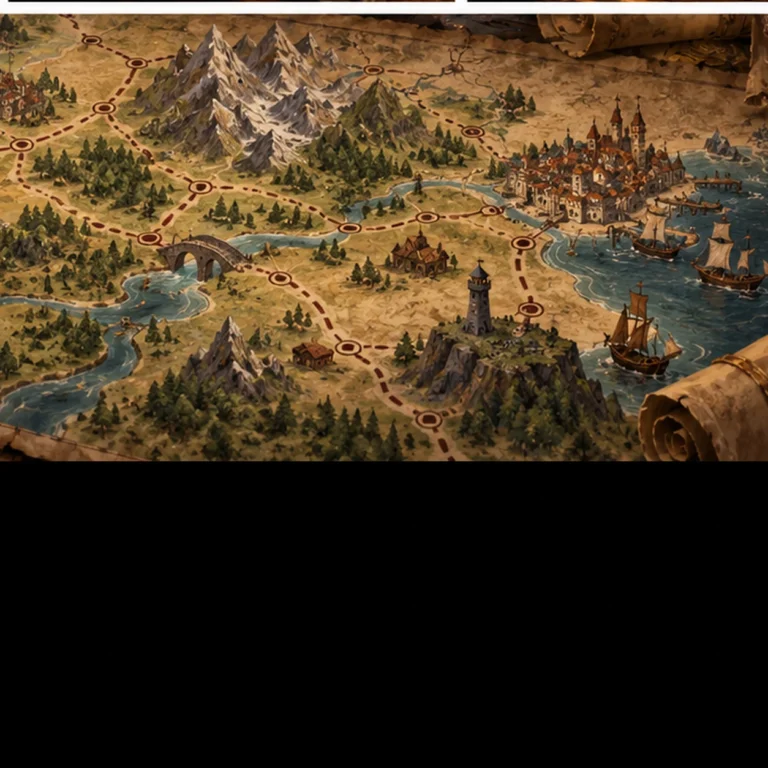
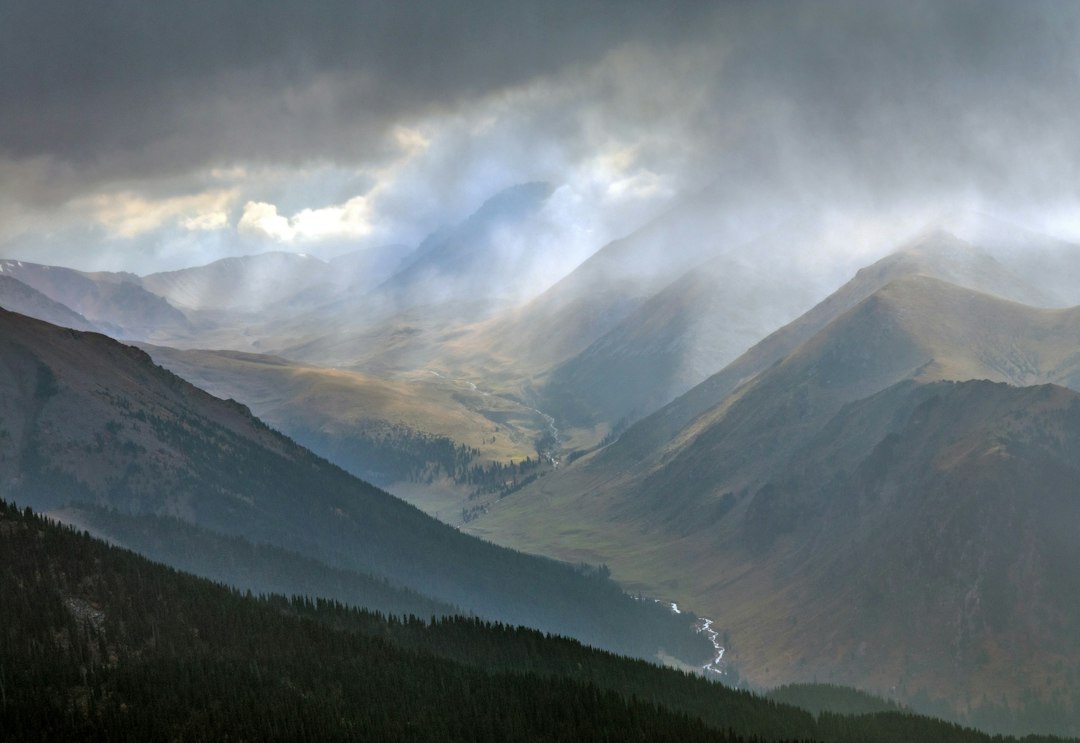
Highland slopes, seasonal river meadows, and village greens support different uses. A field may be available after harvest but closed while crops are growing. A wet meadow may need rest to avoid damaging the soil. Draw water access, fences, paths, and a place to shelter animals in bad weather. Geography should explain why grazing is attractive and why disagreements arise. Our fantasy climate guidehelps connect seasons to local resources.
Who gets access, and how is it recorded?
Rights might attach to a household, a village dwelling, membership in a cooperative, or an old charter. A herder may hold rights without owning much land, while a newcomer may have to petition the council. Keep the rule legible and show who maintains the list. A wooden tally board or annual inspection can be enough. A dispute becomes credible when people disagree about an existing rule, not when the GM invents a new law after the characters arrive.
Seasonal grazing creates a calendar
A village may use common grassland in spring, allow grazing on field stubble after harvest, and reserve a meadow for hay cutting before winter. Such patterns vary by region and land use. Research from the Cambridge Group for the History of Population describes historical English examples of grazing after harvest. In fantasy, choose a local cycle that fits the crops and animals. A public opening day becomes a useful festival, deadline, or council decision.
Worked example: the Longmeadow dispute
Longmeadow belongs to the village council, but twelve households hold customary grazing rights. After a dry summer, the meadow cannot support the usual number of animals. A wealthy grazier offers to pay for extra access while a tenant argues that the common exists precisely to protect families with little land. The council suggests rotating grazing days. One elder worries that the rotation will leave weak animals without enough forage.
The protagonists can speak to herders, inspect the water source, compare old grazing tallies, or help negotiate temporary pasture elsewhere. Each option carries costs. A fence repair may improve the land without settling who deserves priority, while buying fodder may solve the immediate problem but create debt.
Who repairs the fence and the water trough?
Shared use requires shared maintenance. Some households contribute labor; others pay a small fee; a hired keeper might inspect gates and report damage. Decide who may authorize a new fence, especially if it closes a footpath people have used for generations. A broken trough can affect every herd at once. Maintenance is an opportunity to show cooperation as well as conflict.
Connect common pasture to village markets
Livestock supply wool, dairy products, meat, transport, and manure depending on the animals and culture. A change in grazing access may influence prices at the next market. It also affects who has time to escort herds or mend fences. Our fantasy market day guidecan help show those knock-on effects without creating an elaborate economic model.
Five noncombat pasture story hooks
- A boundary stone has fallen, and two villages disagree over where the grazing line runs.
- A new household requests access to a common with a long waiting list.
- After a storm, a shared gate remains open and several animals disappear into nearby woods.
- A seasonal festival is moved because its usual meadow needs time to recover.
- Records show a right belonging to a house that burned down years ago.
The strongest hook asks players to decide between competing legitimate needs rather than to expose an evil landlord by default.
Copyable common-pasture worksheet
- Location and seasonal condition: ___
- Authorized animals: ___
- Who holds grazing rights: ___
- How numbers are limited: ___
- Water and fence maintenance: ___
- Records and appeals: ___
- One approaching shortage: ___
- Two reasonable responses: ___
Shared pasture is a living institution. Once characters understand who cares for it and how access is negotiated, even a quiet grassy hillside can create decisions with real emotional and economic weight.