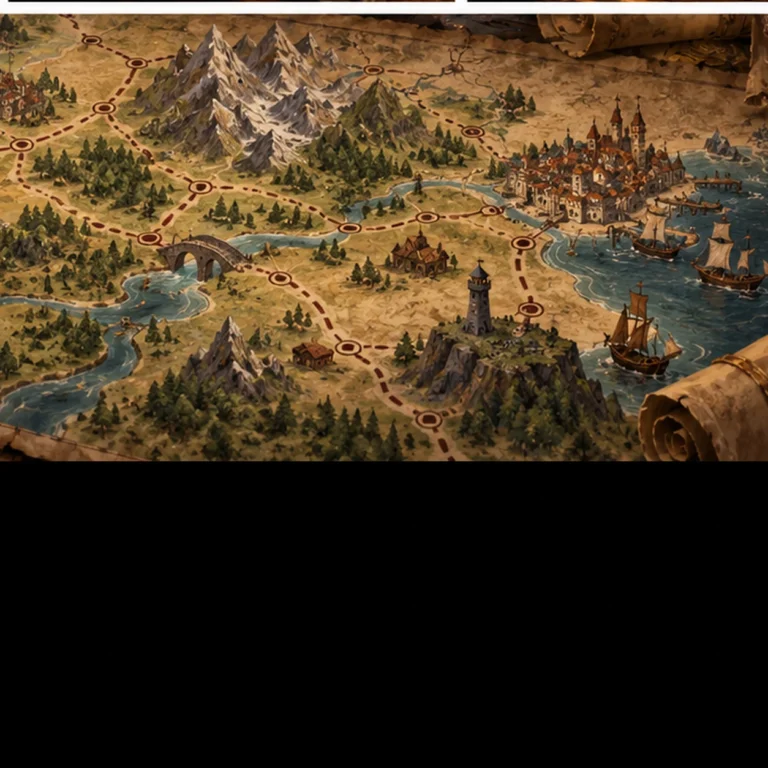
Fantasy Street Repairs: Paving, Mud, and City Budgets
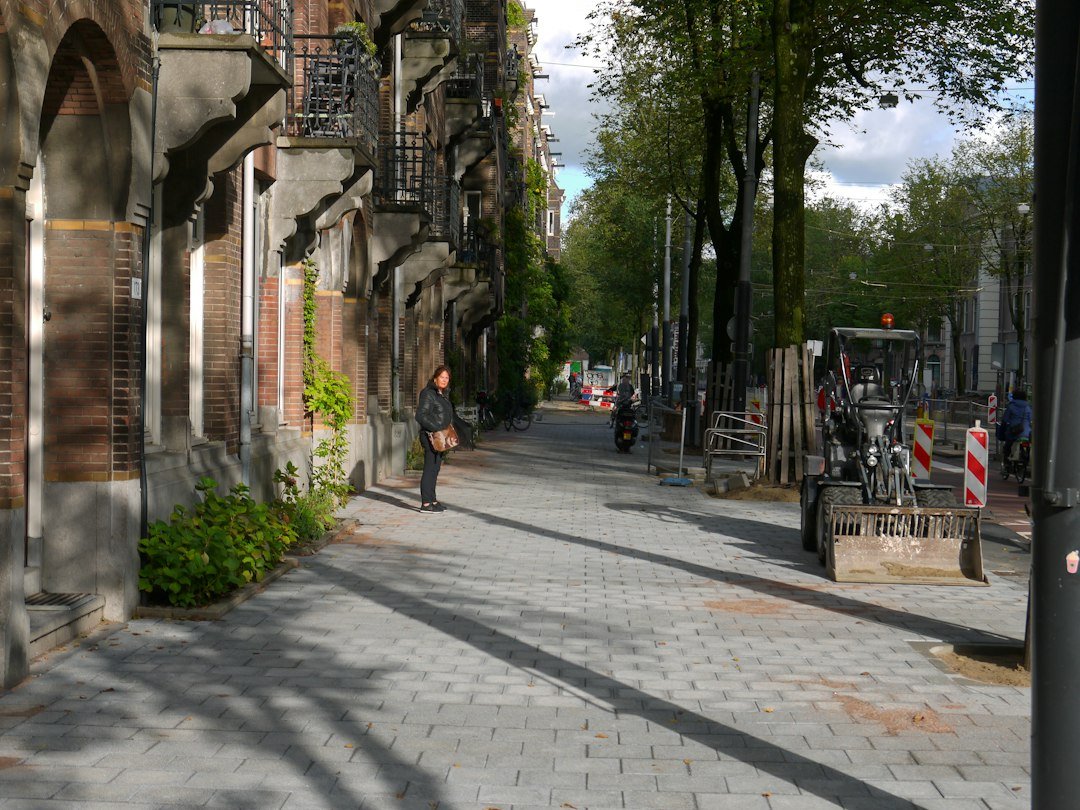
Fantasy street repairs are a small piece of worldbuilding with unusually large consequences. A broken lane slows carts, mud floods doorways, and a damaged drain can make a prosperous market feel neglected. Someone must decide which road gets fixed first, who supplies stone or timber, and who loses trade while workers dig. This guide turns paving and potholes into believable city systems instead of background grunge.
Start with what moves along the street
A busy cart route needs a more durable surface than a narrow footpath. Cobblestone, packed earth, gravel, timber, and broad paving slabs all have different maintenance burdens. You do not need an engineering diagram to choose among them. Draw one principal trade street, one residential lane, and one passage near a canal, then decide what each carries during a normal day. Our fantasy city districts guide helps place those routes where workers and customers actually need them.
Separate pavement damage from drainage trouble
A street may be muddy because its surface is worn, because water cannot escape, or because a nearby workshop repeatedly spills waste into the gutter. Repairing the paving without fixing a blocked drain may solve the visible problem only until the next storm. Decide where runoff flows and who clears leaves, gravel, and refuse from channels. A steep city needs different arrangements from a flat riverside port. The fantasy waste-disposal guide covers the broader sanitation system.
Assign ownership and responsibility
Who is allowed to dig up a street? A city council may own major roads, while neighborhood associations maintain minor lanes. A market guild might pay for access to its warehouses; a noble estate could repair the road outside its gate but refuse to help with the public intersection. Name the person who issues work orders and the worker who knows what repairs are actually possible. Their priorities may conflict without either being corrupt.
What does a repair crew need?
Even modest maintenance requires tools, materials, skilled labor, and a way to keep travelers away from the work. A stonecutter may prepare replacement blocks, a cart driver brings gravel, and a foreman decides which portion can be reopened by dusk. Temporary boards or ropes mark a closed section, although people may ignore them if the alternative route is inconvenient. Workers need somewhere to leave tools overnight. That supply chain makes a repair feel grounded rather than instantly completed offscreen.
Worked example: the lower market paving dispute
In the city of Lethbridge, carts reach the fish market over a lane that floods every spring. The council votes to replace the stones, but merchants argue the work must happen after the busiest trading week. Residents of the neighboring houses have already endured ankle-deep water for a month. The foreman proposes fixing the gutter first and resurfacing the lane in sections; the fish sellers want the entire street open immediately.
The party could survey an alternative unloading area, negotiate shorter work shifts, or discover that a tannery is clogging the drain. Each choice affects different people. The most expensive solution is not necessarily the fairest one, and the fastest solution may require temporary inconvenience.
Make repair budgets visible in the setting
You need only four categories: labor, material, transport, and disruption. Labor is paid to the crew; stone or wood must be acquired; carts bring it through the city; and shops lose access while work proceeds. A wealthy district may demand decorative paving even when an ordinary residential road needs safe drainage. A council meeting about those priorities creates political tension without requiring a secret criminal scheme. For comparable infrastructure disputes, see fantasy bridge maintenance.
Five street-repair story hooks
- A newly repaired lane collapses because an old cellar extends under it.
- Two guilds dispute who must pay for paving damaged by heavy carts.
- A festival is approaching, but the only dry route to the square is closed.
- A road warden finds a buried boundary marker during drainage work.
- Residents organize their own repairs when the council delays an emergency order.
Give each hook one affected worker, one clear deadline, and two plausible solutions. The conflict becomes memorable when the characters can see the cost of leaving the street closed.
Copyable fantasy street maintenance worksheet
- Street users and loads: ___
- Surface and drainage: ___
- Regular failure: ___
- Repair authority: ___
- Crew and materials: ___
- Budget source: ___
- Temporary detour: ___
- Who objects and why: ___
Do fantasy streets have to be filthy?
No. Maintenance standards reflect wealth, climate, politics, geography, and community priorities. A poor district may be exceptionally well organized while a rich market street suffers from neglect or competing contracts. Let the roads show how a city works, not just how grim you want it to look. A street that is repaired—and the people who organize the repair—can tell a story as effectively as a ruin.