Fantasy Winter Clothing: Repairs, Guilds, and Warmth
Fantasy winter clothing worldbuilding is more convincing when people repair, share, and adapt garments rather than simply buying fur cloaks whenever snow falls. Clothes cost materials and work. Their usefulness changes with rain, labor, status, and travel. By following one patched coat through a winter, you can show a town’s economy, charity, and social expectations without stopping the story for an explanation.
Start with the weather people actually face
Wind, wet snow, freezing rain, and dry mountain cold create different problems. A thick cloak is not equally useful for someone hauling water, guiding a mule, or keeping watch at night. Decide what winter demands of a particular worker. A boatman needs dry outer layers that allow movement; a market seller needs warm hands and a place to stand; a courier needs spare foot coverings more than ceremonial embroidery.
Use one common weather hazard as the basis for local clothing. The fantasy climate guide shows how climate shapes culture; here the goal is to make that culture visible in seams, layers, and repairs.
Ask where the fiber comes from
Wool, linen, leather, felt, and imported cloth tell different economic stories. A sheep-raising upland town may prize wool; a trading port can sell expensive imported fabric; a poor riverside settlement may wear layers of reused cloth. Do not assume every household can obtain the same materials. Trade routes, taxes, and local crafts affect what is affordable.
Follow a garment through its makers: spinner, weaver, fuller or finisher, dyer, tailor, seller, and eventually a person who repairs it. Not every town supports all of these occupations, and one person may fill several roles. A local wool shortage can become a larger problem than the price of a new cloak.
Make mending a normal part of the economy
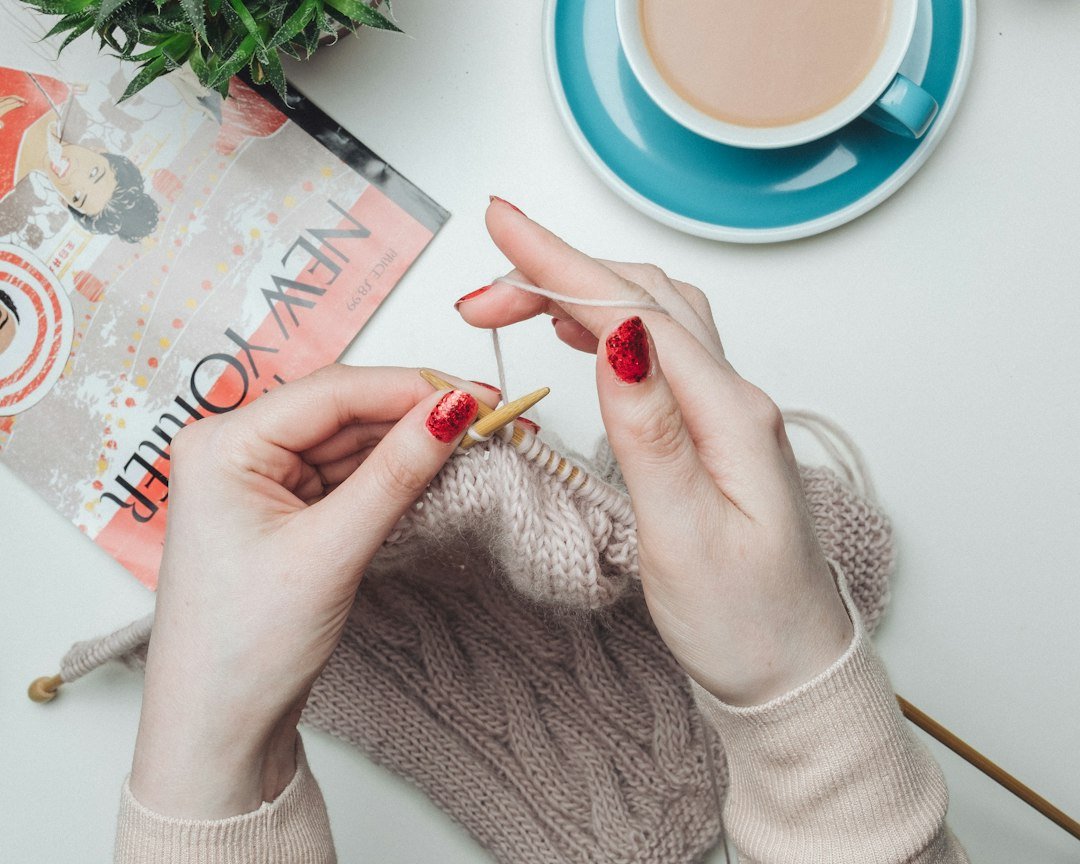
A coat is valuable after its first winter. Elbows and hems wear, seams split, and linings come loose. Repairs may be performed at home, by neighbors, or by a specialist who charges according to materials and urgency. A poor household might turn an adult coat into a child’s garment when the original is no longer useful. Wealthy clothing may be altered to suit changing fashion or ownership.
These details create useful social moments. A daughter recognizes her mother’s stitching in a coat worn by a stranger. A watch captain orders repairs for guards before winter but the treasury delays payment. A thief sells a distinctive coat, not realizing the patch identifies it. For guild contracts and work obligations, see our guild apprenticeship worldbuilding guide.
How do people pay for winter clothing?
Choose a small set of payment practices. Some people pay coin to a tailor; others trade labor or cloth; a guild may provide standardized work garments. A village charity could distribute repaired outerwear from a communal store. The interesting question is who receives help first. A working parent, an elderly neighbor, an injured porter, and a newly arrived refugee may all need the same limited supply.
Don’t romanticize scarcity. If a character cannot replace wet boots, the consequence should be shown with care and specificity: delayed work, discomfort, dependence on help, or a difficult journey. Community assistance can create hope without suggesting the problem vanishes whenever people are kind.
Worked example: the Patch House of Frostmere
Frostmere’s Patch House is a small workshop beside the granary. Households donate worn clothing in autumn. Two paid stitchers sort items by size and repair them with scraps supplied by the weaving guild. The town council covers materials for the elderly night watch and children whose parents work outside the walls. During a harsh winter, wagon traffic stops and the wool supply dwindles.
The guild asks the council to stop free repairs to preserve thread for paying customers. The stitchers argue that cold workers cannot keep the town operating. An apprentice proposes exchanging repair time for kitchen meals. This single workshop connects labor, food, class, and public choices. Pair it with fantasy community kitchens to explore another system for distributing winter aid.
Show clothing through character action
Instead of announcing that Frostmere is poor, show a clerk protecting her only good gloves from candle wax. A character may remove a decorative cloak before carrying wood because it restricts their arms. A guest who keeps boots on indoors may offend a host or reveal fear of leaving quickly. Let garments produce small decisions and social misunderstandings.
A repaired item also carries memory. A patch can recall a sibling’s first winter, a uniform can outlast the guild that issued it, or an inherited scarf can signify membership in a household. Those details connect physical objects to emotional stakes, especially in quiet fantasy scenes.
Six winter clothing story hooks
- The guild claims its dyed cloth has been sold twice, but the sewing records disagree.
- A free-coat distribution draws far more visitors than the town expected.
- A courier’s coat hides a message sewn into the lining.
- A tailor refuses to mend a uniform that carries a hated emblem.
- A winter storm leaves a caravan with damaged boots and no dry replacements.
- A family heirloom is altered without permission to keep a child warm.
These hooks work because clothing is both material and personal. Nobody needs to be a villain for the choice to matter.
Copyable winter garment worksheet
- Local winter hazard: __________
- Common fabrics and sources: __________
- Essential layers for workers: __________
- Who repairs clothes: __________
- How repairs are paid for: __________
- Who gets charity or guild issue: __________
- One recognizable local feature: __________
- What happens during shortages: __________
The most effective clothing worldbuilding is wearable. Give people garments suited to their jobs, a method for keeping them usable, and a reason to care when that system fails. You will get more believable winter scenes than from adding another list of fantasy fur cloaks.