Fantasy Bathhouse Worldbuilding: Water, Heat, Rules, and Stories
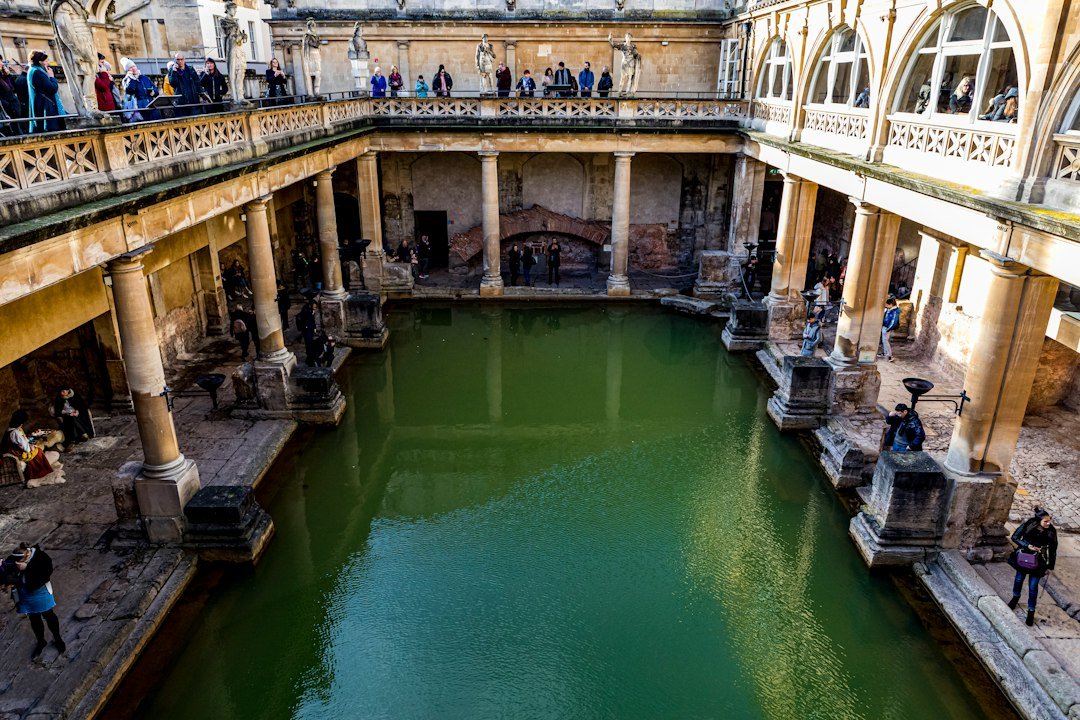
Fantasy bathhouse worldbuilding gets interesting when a public bath is treated as an everyday service instead of a decorative marble room. Who heats the water, who carries fuel, who can enter, and who cleans the floor afterward? Answer those questions and a bathhouse becomes an economic hub, a place for rumors, and a source of excellent low-stakes conflict. This guide builds a working fantasy bathhouse, with a reusable example you can drop into a town or TTRPG campaign.
Start with the bathhouse’s actual job
Decide whether it is primarily a washhouse, a social club, a religious purification site, a healing establishment, or a luxury business. A small river town might have two steaming wooden tubs and a stove. A wealthy city might run separate hot, warm, and cold rooms, with attendants charging for soap and towels. A monastery could admit pilgrims at certain hours, while a sailors’ bath might specialize in scrubbing salt and tar from clothing.
There is no universal fantasy bathhouse. Its purpose determines the floor plan, admission rules, prices, and who keeps the keys. Sketch the needs of a typical customer before you sketch the building. A cart driver needs somewhere to wash quickly; a noble guest may pay for a private room; a local laundress wants enough hot water for work.
Trace one bucket of water from source to drain
A bathhouse needs clean incoming water and a believable place for dirty water to go. The source could be a nearby spring, public well, diverted stream, rain cistern, or magically maintained reservoir. Bathwater used for washing may not need drinking-water purity, but customers will still care about smell, mud, and skin irritation. A town that shares one well cannot simply give the bathhouse unlimited water during drought.
Follow a single bucket through the building: an apprentice collects it, an attendant transfers it to a heating vessel, a customer uses it, and someone empties it through a drain or into a managed waste channel. If that journey is slow, the business charges more. For the larger picture, see our fantasy city water supply guide.
Choose a heating method and pay its costs
Hot water needs energy. In a modest establishment, a large boiler or heated stones may be simpler than an elaborate underground heating system. A wealthy bath might use hot-air channels, a geothermal source, or fire magic. Every option introduces maintenance. Wood has to be cut, dried, delivered, and stored. Coal creates smoke and ash. Magical heat can depend on a licensed practitioner or consumable reagent.
Do not treat magic as an exemption from consequences. A fire rune may keep water hot all day but require monthly inspection. A geothermal pool may be naturally warm but far from the safest neighborhood. The business becomes memorable when it has a specific weakness: a cracked furnace flue, fuel deliveries delayed by snow, or a guild dispute over who may repair magical stones.
Washing bathers and washing linens are related but distinct services. The fantasy public laundry and washhouse guide follows the labor, water supply, drying space, and fees involved when inns and households send cloth out to be cleaned.
Design prices, labor, and access
Work out who pays and who works. A plausible roster includes a proprietor, fire tender, water carriers, cleaners, towel washers, and attendants who manage the rooms. At dawn, staff warm the first water; during the busy period they police queues; at closing they scrub surfaces and empty tubs. One absent employee can change service for everyone.
Consider three price levels rather than dozens of invented coins: a low fee for a quick wash, an ordinary charge for shared heated water, and a premium for private rooms or scented oils. A guild might cover members’ visits; charitable days could be paid for by a shrine. These choices reveal power more effectively than a price list. Our fantasy currency worksheet helps make the fees feel usable.
Set rules that express the culture
Interesting rules solve real problems. Separate hours might reflect privacy preferences or available staff. Footwear rules protect the floor. Weapons may be checked at the door because blades and slippery stone are an awful combination. A ban on political speeches could reveal that arguments once turned violent. Guests might share hot water by rank, neighborhood, or arrival order.
Ask who is exempt. If councilors can skip the queue during drought, resentment becomes a plot hook. If the bathkeeper protects a customer’s privacy no matter their status, the business becomes a trusted neutral space. Rules are strongest when two reasonable needs collide: cleanliness versus scarcity, privacy versus safety, profit versus a public promise.
Worked example: The Copper Steam
In the canal district of Merrowgate, the Copper Steam occupies a former dye workshop. It draws water from a guarded cistern and heats two communal tubs with a charcoal-fired boiler. The morning shift belongs to dockworkers; afternoons are quieter and cheaper. A shrine buys twenty free admissions every seventh day, but the owner has started refusing them because charcoal prices have doubled.
The bath’s main drain empties toward an old culvert. After a storm, water backs up into the washing room. The city inspector demands repairs, the laundresses say the dye works upstream is responsible, and a merchant offers to pay the bill if the bathkeeper shares who met in the private room. None of these problems requires an evil mastermind, but each creates a choice for characters.
Five bathhouse story hooks that grow from the building
- The cold morning: the boiler fails before workers depart, and the only repairer belongs to a rival guild.
- The missing towel token: a customer claims a valuable sealed letter was left in a locker.
- The free-bath dispute: a charitable allocation has been quietly reassigned to wealthy clients.
- The visiting healer: a traveling practitioner offers a treatment the local physicians call unsafe.
- The blocked drain: a flood sends suspicious material into the washroom, exposing an upstream problem.
Each hook starts with the bath’s daily function and asks who suffers if it stops. If you want more neighboring systems, pair this location with fantasy city waste disposal and city districts that generate stories.
Copyable fantasy bathhouse worksheet
- Purpose and customers: who uses it most, and why?
- Water: where is it collected, stored, and drained?
- Heat: what fuel or magic is consumed each day?
- Workers: which jobs must happen before opening?
- Prices: what is cheap, normal, and exclusive?
- Rules: which two rules cause the most arguments?
- Failure: what breaks during winter, drought, or an inspection?
- Secret: what could someone learn here only by listening?
What makes a fantasy bathhouse believable?
The answer is not an exhaustive architectural diagram. Show the reader or players one practical constraint and one social consequence. Steam collects above a cracked window because the owner cannot afford repairs; the queue doubles when the river falls; a servant recognizes a seal on an unattended robe. When water, heat, labor, and custom affect people’s decisions, the building becomes part of the world rather than scenery.





One Comment