TTRPG Safehouse Complications: A Noncombat d6 Table
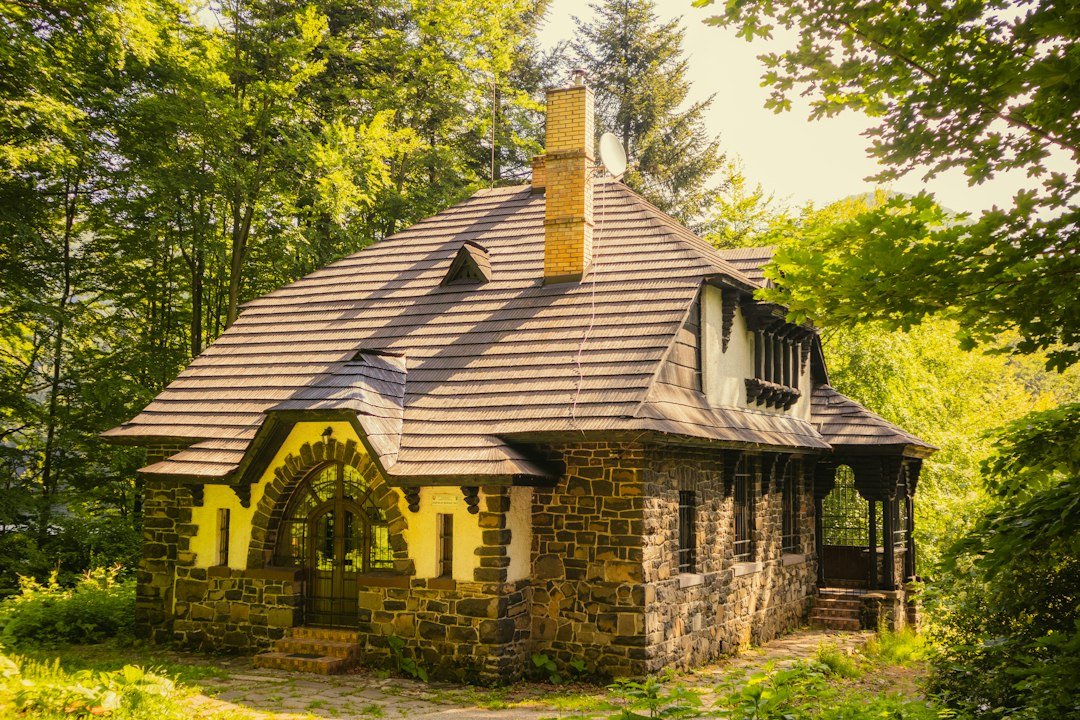
TTRPG safehouse complications should create choices without making the players regret every place they trust. A safehouse is useful because it offers shelter, secrecy, contacts, or somewhere to recover between missions. If every rest brings an ambush, the concept stops functioning. This system-neutral d6 table introduces problems based on neighbors, resources, and obligations rather than treating the building as another trap.
Give the safehouse one reason to exist
Before rolling anything, decide what makes this location valuable. It might be a quiet apartment above a bakery, a shrine’s spare room, a disused boathouse, or a friendly merchant’s storeroom. Name the person who controls access and the service they actually provide: privacy, storage, introductions, hot food, or a stable place to wait for news. A safehouse can offer only some of these. A building without a believable owner or neighbor is much harder to turn into a living location.
Determine how secure the location really is
Players should know what level of safety they’re buying or earning. A sympathetic innkeeper can keep visitors from asking casual questions but may not withstand a formal search by the watch. A remote cabin offers solitude but makes supply deliveries conspicuous. A guild cellar may have locks and records that reveal exactly who came through. Put those limits into the description before asking players to make a risky plan. For other useful stopping places, see our fantasy waystations guide.
d6 noncombat safehouse complications
| d6 | What happens | Interesting choice |
|---|---|---|
| 1 | The owner needs the room for an unexpected relative. | Share the space, find another arrangement, or ask for a delay. |
| 2 | A neighbor notices deliveries at unusual hours. | Explain the activity, alter routines, or offer practical help. |
| 3 | The stove or roof needs urgent repair. | Spend time and funds, borrow expertise, or temporarily relocate. |
| 4 | A contact asks to hide a harmless but politically sensitive document. | Accept a risk, negotiate terms, or decline the request. |
| 5 | Supplies arrive late because the bridge is closed. | Take a detour, ration provisions, or ask neighbors for aid. |
| 6 | The landlord plans an inspection. | Prepare a plausible explanation, seek permission, or move sensitive goods. |
These results are prompts, not automatic failures. If a complication would violate an agreement you made with players about downtime safety, replace it with something gentler. The safehouse should remain a meaningful reward even when the world around it changes.
Worked example: the room above the bakery
The party rests above a bakery run by Isha, an NPC they helped during a flood. She agrees to keep their arrival private. A week later, the baker’s apprentice needs the room to care for an injured uncle, and Isha asks the party to stay in a smaller storage loft instead. There is no betrayal. If the party accepts, they may learn about a nearby clinic; if they refuse, Isha must find another solution. The scene tests a relationship without punishing the players for trusting her.
Turn complications into optional leads
A neighbor’s questions might uncover a lost parcel or a town dispute, not necessarily a villain. A damaged roof could introduce a guild apprentice or reveal why the landlord has delayed repairs. Write two possible resolutions for each result, neither requiring combat. The group can spend money, time, a favor, or attention. When the party chooses to ignore the problem, let the NPCs address it as best they can. That preserves the feeling of a world populated by capable people.
Our NPC promise tracker is useful for remembering what the party agreed to do for its hosts.
How much secrecy should the players manage?
Only as much as your campaign’s tone requires. In a political thriller, the group may track who knows the address and whether a contact can be trusted. In a cozy adventure, secrecy can be a brief agreement: ‘We won’t mention your names.’ Do not demand elaborate surveillance procedures from players who came to the table for friendship and exploration. If the group wants a security challenge, make the stakes explicit and give them enough information to plan.
Copyable safehouse card
- Location and owner: ___
- Why the party is welcome: ___
- What protection is promised: ___
- Known limits: ___
- Two neighbors or contacts: ___
- Current maintenance need: ___
- One possible complication: ___
- How the host responds to kindness: ___
Should a safehouse ever be attacked?
It can be, if the campaign has clearly established that danger and players have had a fair chance to protect the location. But frequent raids turn sanctuary into a lure. For most campaigns, let an occasional safe place stay safe. Quiet scenes can deepen the characters’ ties to the world; see why quiet moments matter in TTRPGs. A good safehouse complication creates a new relationship or decision while leaving that sense of refuge intact.