Why Quiet Moments Make TTRPG Campaigns Better
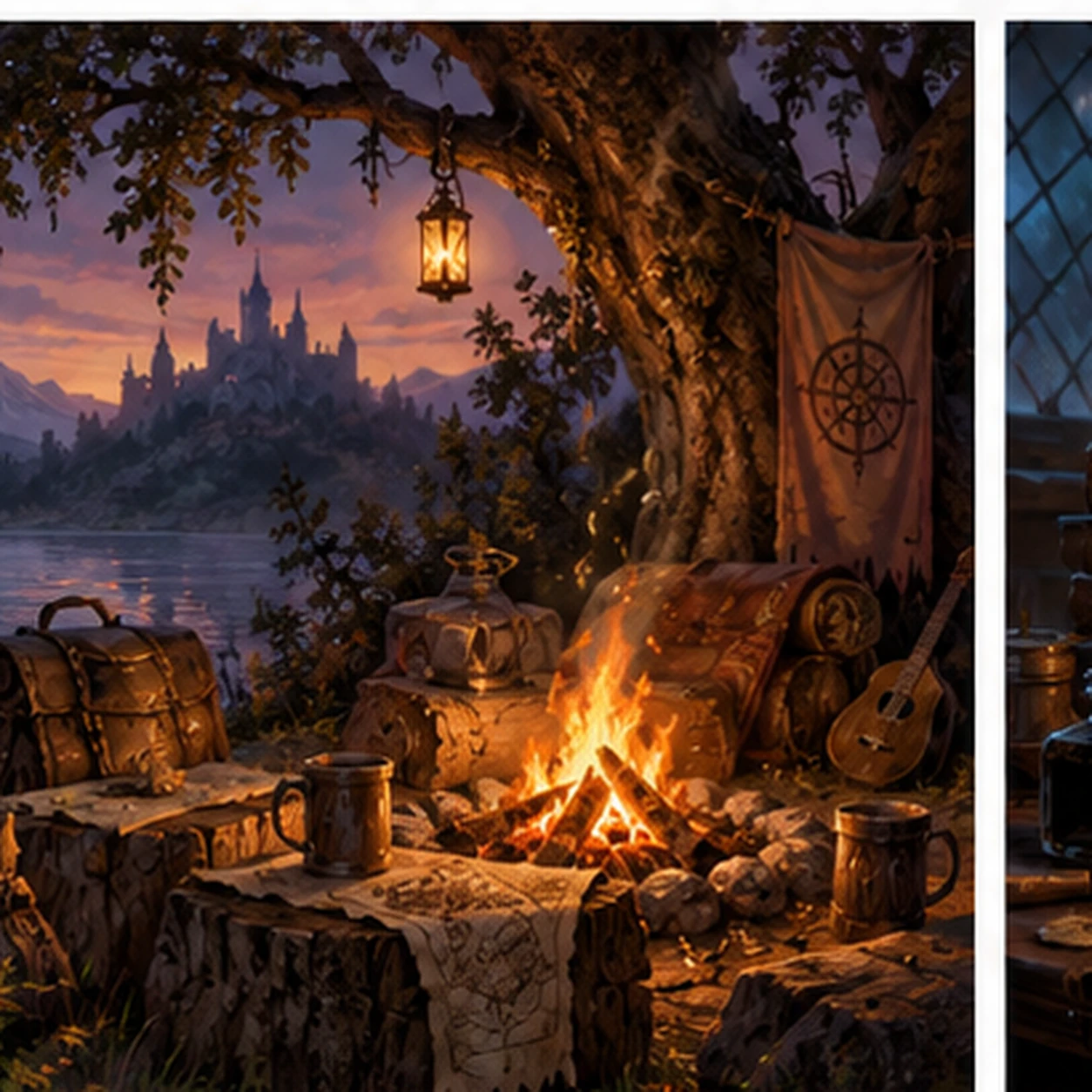
TTRPG campaigns are very good at escalation. A missing traveler becomes a conspiracy. A local mystery becomes a threat to a kingdom. A strange door becomes a portal to somewhere nobody expected.
That escalation can be exciting, but I think campaigns become stronger when they also protect space for smaller scenes: a meal after a difficult day, two characters talking while the rest of the party sleeps, an awkward visit home, a festival, a shopping trip that turns into a real conversation, or ten quiet minutes before the next problem begins.
Quiet moments in TTRPGs are not empty time. They are where characters become people instead of collections of abilities.
Action Needs Contrast
If every scene is urgent, urgency eventually becomes normal.
The giant reveal matters because it interrupts something calmer. The difficult choice matters because the characters had time to care about what they might lose. The frightening location feels stranger when the campaign has also shown places that feel safe.
Quiet scenes create contrast, and contrast gives the louder parts of a campaign more weight.
Characters Need Space to Exist Without a Goal
Many character traits only appear when nobody is solving the main problem.
What does the wizard order for breakfast? Does the proud knight know how to mend a coat? Who always volunteers for first watch? Which character writes letters home but never sends them?
None of those details need to become major plot points. They simply give the table more material to build on.
This is especially useful when a character already has a strong emotional trigger or flaw. A quieter scene lets the group see what that person is like when the pressure is low, which makes the next difficult moment more meaningful. If you like building characters around those deeper reactions, the idea of a character third rail is another useful tool.
Small Scenes Give Backstories Somewhere to Land
A backstory is only useful if the campaign creates opportunities for it to matter.
That does not always mean a dramatic confrontation with someone from the past. Sometimes it means recognizing a hometown recipe, reacting to a holiday, being uncomfortable in a noble house, or knowing exactly how a particular kind of work is done.
Those low-stakes details can make a character history feel present without forcing the entire campaign to revolve around it.
If you are still building that foundation, these TTRPG character backstory tips can help create details that are easy to bring into play.
Quiet Moments Help Players Talk to Each Other
In a fast scene, players usually talk about the problem in front of them. Who is going where? What is the plan? Which clue matters? What happens next?
A slower scene gives them permission to ask different questions.
What does your character think about what happened? Why did they make that choice? Who do they trust now? What are they afraid the group will discover?
You do not need to script these conversations. You only need to leave enough room for them to happen.
Not Every Quiet Scene Needs Deep Roleplay
There is sometimes pressure to make downtime emotionally important. That can make it feel like homework.
A quiet scene can just be funny. It can be a character trying a local food and hating it. It can be an argument over rooms at an inn. It can be everyone realizing that the most competent adventurer in the group cannot cook.
Light scenes still do character work. They establish relationships and shared memories without demanding a dramatic confession.
Quiet Does Not Mean Nothing Changes
One reason slower scenes can feel awkward is that GMs worry the campaign will stall.
The solution is to let small changes happen.
- An NPC becomes a little more trusting.
- A character learns a habit about another party member.
- A rumor arrives during breakfast.
- A letter changes someone’s priorities.
- A peaceful location becomes important enough that the party wants to protect it later.
The stakes can remain low while the campaign still moves.
How Much Quiet Time Is Enough?
There is no correct ratio. Some groups love long character scenes. Others want only a few minutes before moving on.
The useful question is whether the players are leaning into the moment. If they start conversations, ask each other questions, or add small details, give the scene room. If everyone is waiting for the next hook, move forward.
You can also make quiet time optional by asking a simple prompt: “Before you leave town tomorrow, is there anything your character wants to do tonight?”
That gives players a door without forcing them through it.
My Favorite Reason for Quiet Scenes
The biggest campaign moments are often remembered because of what they changed. Quiet moments are often remembered because of who the characters were.
A campaign can have enormous mysteries, strange worlds, and unforgettable set pieces. But if the table never gets to see the characters resting, joking, doubting, celebrating, and simply existing together, the story can start to feel like a chain of objectives.
Sometimes the scene that makes the campaign feel real is the one where almost nothing happens.
4 Comments