Character Creation Tips for TTRPGs: How to Build Memorable and Effective Characters
Character creation in some TTRPGs can be difficult, so I have devised a little post to give tips and tricks about how to do it in a more accessible fashion. Once you get the hang of it, it becomes simpler and quicker, even if it is intimidating to begin with. Whether it be DnD, Pathfinder, Daggerheart, or your favorite obscure TTRPG, this is designed to help in about all systems, making a unique character for just about anything.
Why Character Creation Matters in TTRPGs
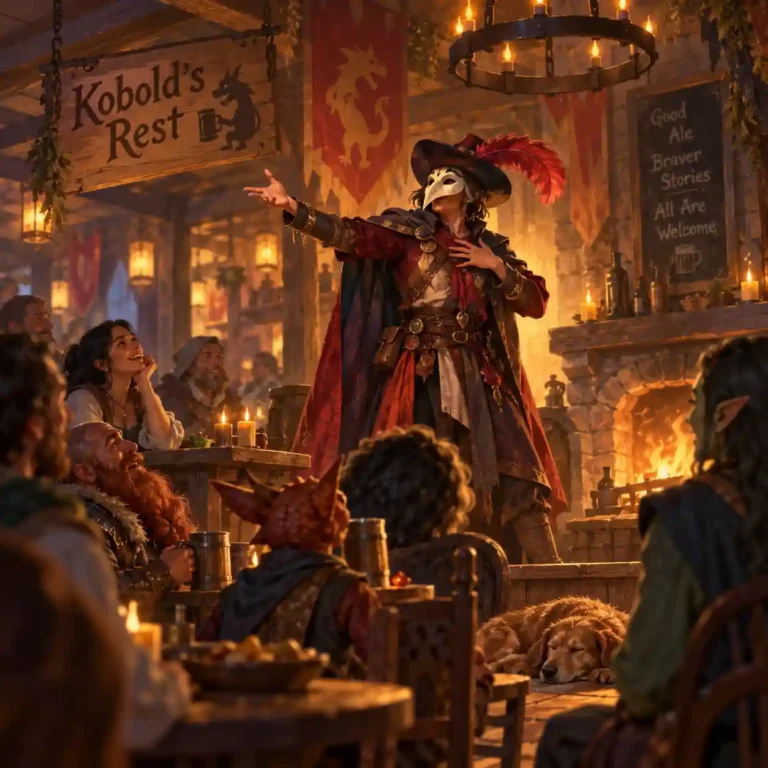
First and foremost, character creation matters as it is your own character, your way to interact with the world your game master has created. It is how you do everything from fighting goblins, talking to NPCs, trying to pet a dog, to just about everything else you could possibly conceive. It is the single most important step into playing your game, besides things like dice.
Step-by-Step Guide to Creating Your TTRPG Character
The first thing I would recommend is simply to figure out what you want to play. Tropes and archetypes found in media can be a good place to start to get an idea of where to begin, but I wouldn’t suggest going all the way to become that trope. They tend to be a little one dimensional and lack sauce. Usually, putting your own spin or juxtaposition to that trope or archetype really helps with making something more interesting.
Choosing Your Character’s Core Stats and Abilities
While the names can change from game to game, stats or abilities tend follow the same general outline, those being some form of Strength, Dexterity, Endurance, Intelligence or Wisdom, and Charisma. Some TTRPGs might have a dedicated magic stats or something similar, or might have more supernatural stats. Figure out what your primary thing your character is good at. Usually, it’s as simple as they’re really strong or very smart, but it can be more pinpoint such as being very good at a specific type of magic or skill. You should invest points or however you decide to determine stats into the abilities that make you good at that particular thing. If you’re good at a lot of little things, then go for abilities that increase a lot of skills or similar attributes in your preferred game.
Developing a Unique Personality and Backstory
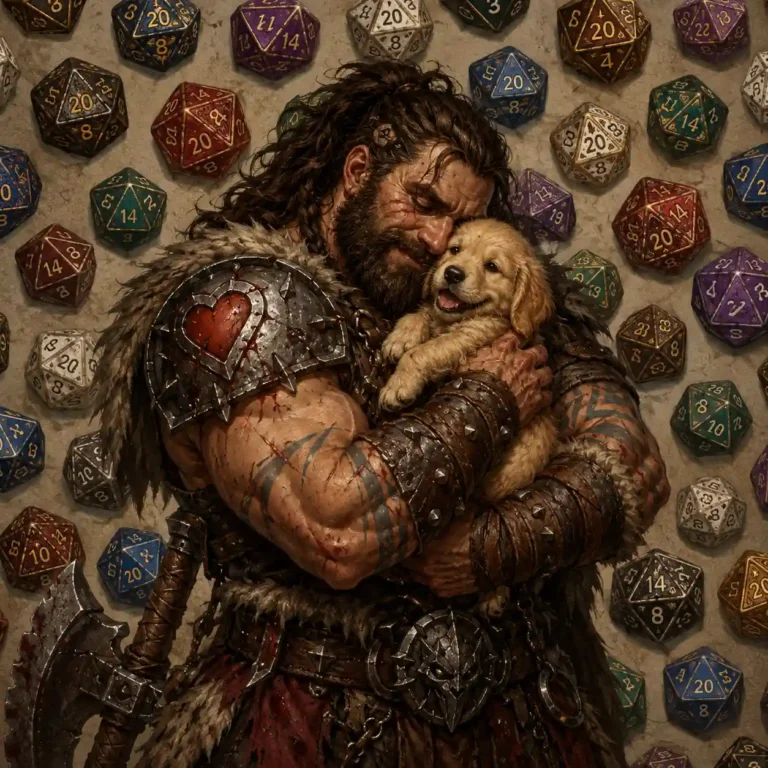
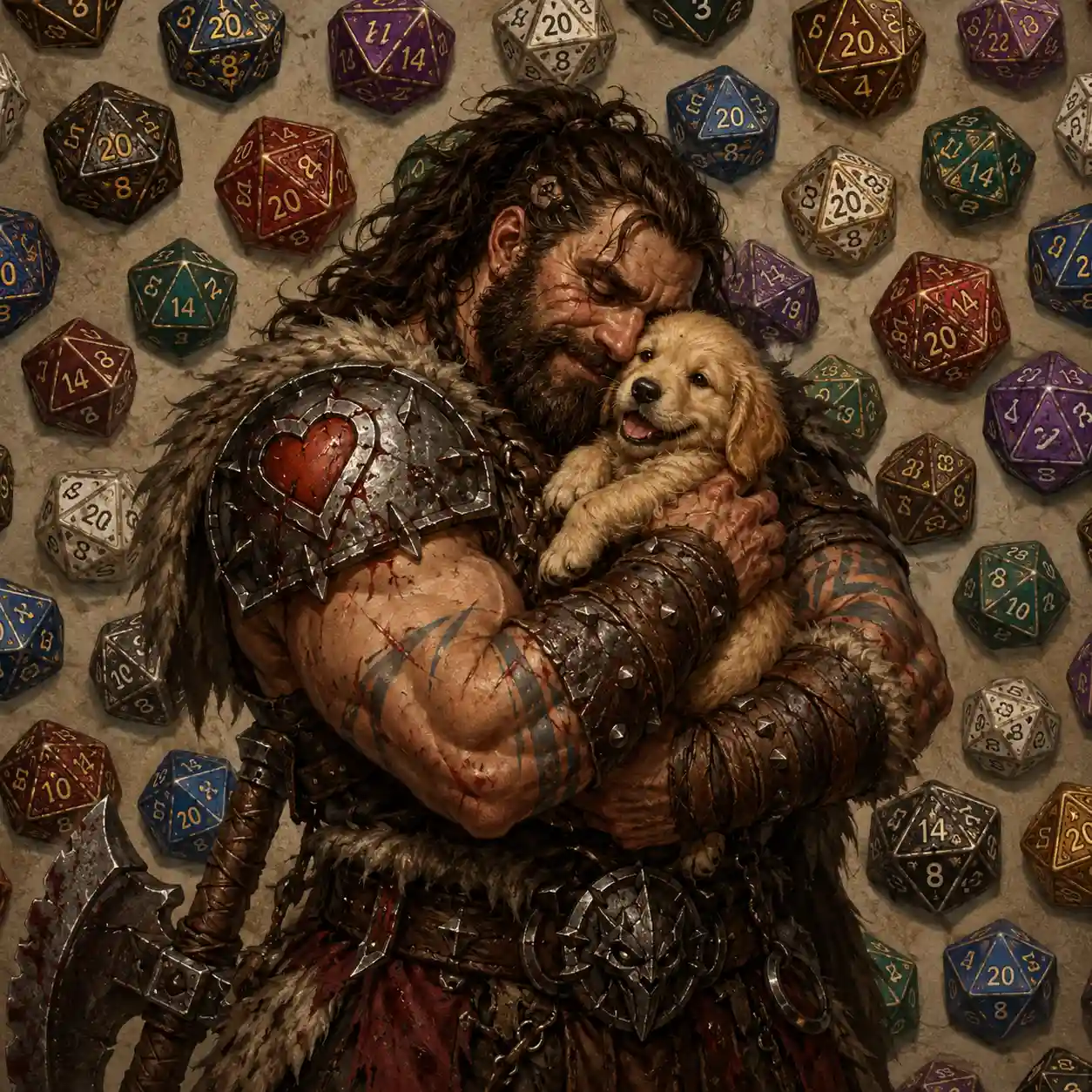
Usually, having a gimmick or default reaction for a character can make them pop and make them more memorable. The gimmick shouldn’t be something you use all the time, but should be something to fall back on as a normal reaction. For example, a brawny character could react with confusion or frustration when sitting down for a noble’s tea party as they wouldn’t know proper etiquette, a noble wizard could see something as beneath them while doing chores, or a the rebel rogue doing something dangerous as things wind down to feel a little something. A personal one I use is to go somewhere that you wouldn’t expect for that kind of character, like a berserker type character with a heart of gold, who wouldn’t use violence as his first instinct.
For backstory, usually it’s a good idea to begin small, with a few characters dear to that character, or a notable event that made them into who they are. Most characters need a motivation to be an adventurer, hero, or whatever your world is need of. Another idea is to make a collaboratory backstory where all player characters are in, which works well if everyone in the party should reasonably know one another.
Common Mistakes to Avoid During Character Creation
The worst thing you can do is make a character you don’t like playing. It sounds really obvious, but it’s a mistake many do. Make a character that you find genuinely interesting, a backstory you find awesome, and a character you can relate to.
Another easy mistake to make is to make a character who inherently either doesn’t want to be with the other characters, or one who isn’t interested in moving the plot. We’ve all heard horror stories about characters who don’t contribute to the game or goes off to their own things all the time. It’s not fun to play with, and can become a problem fast.
One last thing is to make a character that is plausible or makes sense to exist within the world you play in. There have been times where a character doesn’t match the theme or doesn’t work well with a setting. Talk with your game master about themes, how the world works, and tailor your character to the campaign for a better experience.
Tips for Balancing Mechanics and Roleplay
To make a character balanced in both the realms of mechanics and roleplay can be pretty easy. If a character is good at something, make them acknowledge their strengths, while also acknowledging their weakness. They could be cocky about the things they’re good at, but pretty reserved about those they aren’t, or vice versa, for a character who doubts themselves, but are confident they can pick things up quick. Let there be a link between their strengths and how they hold themselves.
How to Make Your Character Stand Out in the Game
So, now that you have the character mechanically done, and their backstory, what’s next is to make them interesting in the game itself. Roleplay is something that people get nervous about, but fret not! It can be as simple as describing what they do, how they do it, and why they do it. How a brawny warrior and a brainy wizard go about their day won’t be the same. And while it might be cheesy at first, character voices can be a great way to get into character, even if the voice isn’t perfect. Even if I can personally imitate some voices pretty well, I still make silly voices that are weird for the right characters.