Sandbox Fatigue in TTRPGs: When Too Much Choice Stops Feeling Free
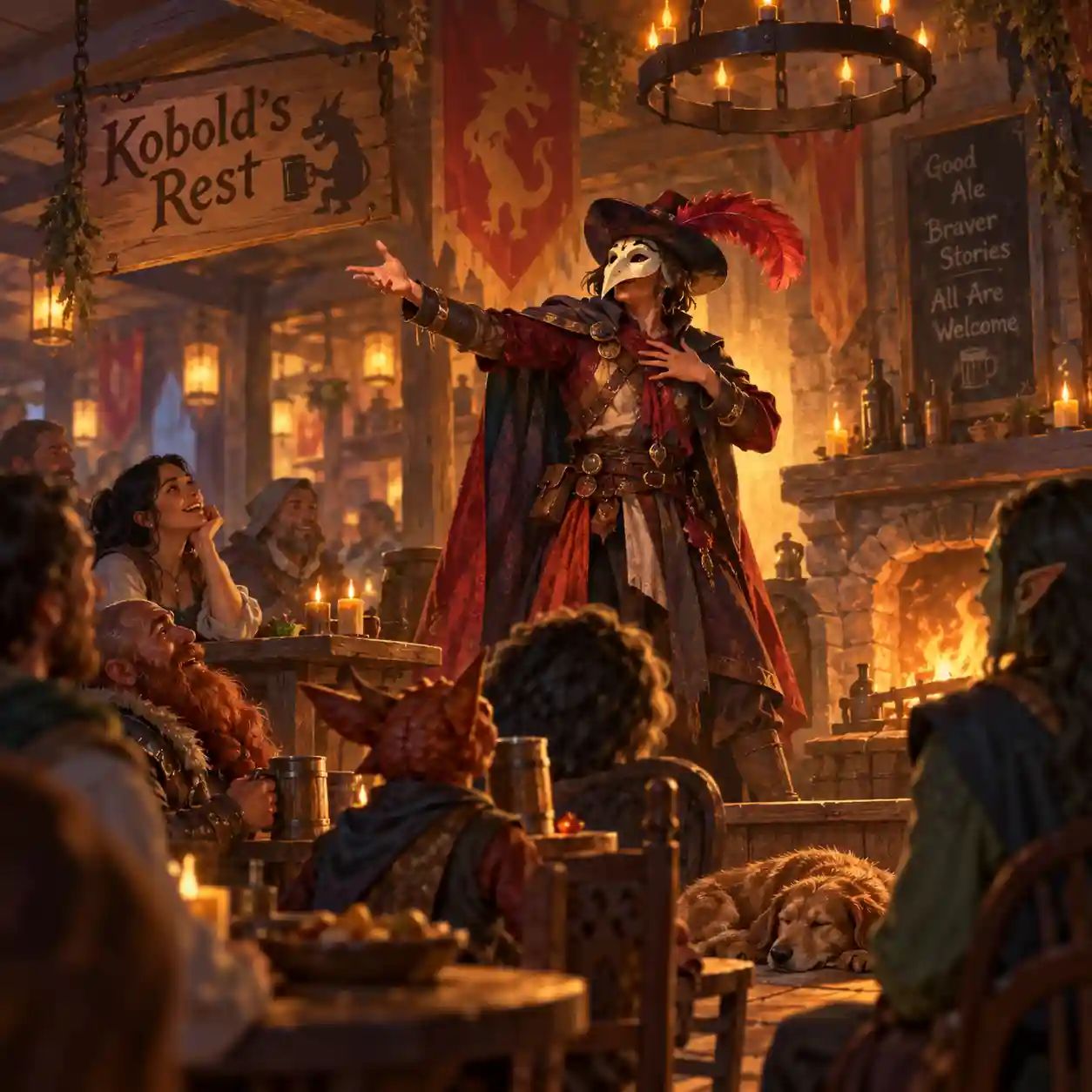
Sandbox campaigns promise freedom: go anywhere, follow any lead, ignore the obvious quest, and let the world respond. That can be wonderful. It can also create a strange kind of exhaustion when every session begins with ten possible directions and no reason to prefer one.
Sandbox fatigue in TTRPGs happens when choice stops feeling empowering and starts feeling like homework. The solution is not necessarily a railroad. Often, players simply need clearer information, stronger pressures, and permission to choose imperfectly.
Freedom needs context
“You can do anything” is technically broad but practically vague. Players make better choices when they understand what the options mean.
Instead of presenting six quest names, summarize the stakes: one lead could earn money, one could protect an ally, one is time-sensitive, and one connects to the mystery the party already cares about.
The choice remains open, but it becomes legible.
Too many equal options flatten each other
If every hook sounds equally urgent and equally mysterious, players have no useful basis for choosing. They may debate in circles because the GM has hidden the information that would make the decision meaningful.
Give options texture. Tell players what their characters know about distance, risk, reward, deadlines, and relationships.
Let some opportunities expire
A living sandbox does not require every hook to wait forever. If the party ignores a caravan job, someone else may take it. If they postpone a festival, the festival happens.
This is not punishment. It is what turns options into a moving world.
Kobold’s Rest explores the same principle in what to do when players ignore the main quest: let events progress without treating player choice as disobedience.
Give the campaign a default direction
Players sometimes appreciate a sensible “if nobody has a stronger idea, we do this” option. A patron, faction goal, home base, expedition map, or character obligation can provide that default.
The default is not mandatory. It simply prevents every session from requiring the group to invent motivation from zero.
Summaries reduce cognitive load
Open campaigns accumulate names, places, unfinished jobs, rumors, debts, and mysteries. Players may seem indecisive because they cannot remember which options still matter.
At the start of a session, offer a short state-of-the-world summary:
- The flooded mine is still closed.
- The council vote is in three days.
- Mara is waiting for news about her son.
- You still have the key from the old mill.
That is not steering. It is restoring information the characters would reasonably remember.
Use character priorities to filter the map
A sandbox becomes easier when players know what their characters care about. A paladin may prioritize threats to a particular community. A scholar follows lost records. A merchant watches trade disruptions.
Those priorities turn a world of infinite possibilities into a smaller set of personally meaningful choices.
Deadlines can create clarity
A few visible deadlines help players compare options. If the merchant caravan leaves tomorrow and the ruins will still be there next month, the decision becomes easier.
A simple TTRPG campaign calendar is useful here because it lets the group see time costs without turning the campaign into a schedule simulator.
Do not mistake indecision for a desire for more mystery
When players hesitate, GMs sometimes respond by withholding even more information so the world feels mysterious. That can make the problem worse.
Mystery should concern what happens after a choice, not whether the group understands the basic choice at all.
Ask what information would make the decision easier
If discussion stalls, ask: “What would your characters want to know before deciding?”
Maybe they need travel time, expected pay, who controls the area, whether an ally can wait, or what danger is rumored. Answer what they could reasonably know or provide a clear way to learn it.
Allow the group to choose quickly and change course
Players sometimes treat every sandbox decision as permanent. Remind them that they can investigate one lead, learn more, and decide it is not worth pursuing.
Exploration includes changing your mind.
What to do when sandbox players cannot decide
When the party says, “We don’t know what to do,” do not answer with ten more rumors. Put the available choices into a form the characters can compare. Start with a short recap of what changed since the last session, then offer two to four leads with a clear first step. The characters are still free to ignore all of them.
A three-lead board for a stalled sandbox campaign
Imagine a party based in a river town. Their GM might present the following information openly:
- The missing ledger: the merchants’ guild wants its records back before a council vote in three days. The last known location is one day’s travel away.
- The absent ferrymen: two locals disappeared upstream. The river is rising, and their families want help today; the danger is unknown.
- The sealed mill: a character’s old mentor left a key and an address. There is no known deadline, so the party could investigate later.
Notice that each option has a person, a cost or deadline, and a place to begin. None tells the players which story is important. If the group invents a fourth goal, follow it. Use a rumor table with actionable hooks to keep future leads similarly clear.
How many quest hooks should a sandbox show at once?
As a starting point, make about two to four leads immediately actionable and keep the rest in the background. That is a table-management guideline, not a limit on the fictional world. You can reveal additional opportunities as players explore, or bring back an older lead when its situation changes. Players should know that “not now” is a valid choice.
Sandbox fatigue or simple lack of interest?
If players can explain their options but still avoid all of them, the problem may not be choice overload. Ask outside the fiction which kinds of decisions they enjoy: exploration, local relationships, political intrigue, treasure hunting, or a stronger common objective. A guided campaign is not automatically a railroad; the distinction is whether choices matter. Our linear campaign versus railroad guide explains that difference.
For a world that continues changing without requiring constant GM improvisation, pair visible leads with simple faction clocks. Show players the consequences their characters could reasonably notice, but leave the response up to them.
Freedom is not the number of doors
A campaign with four meaningful choices can feel more open than a campaign with forty vague ones. Agency comes from understanding options and seeing consequences, not from maximizing the size of the menu.
If your sandbox feels tiring, reduce noise before reducing freedom. Summarize what matters, make pressures visible, allow the world to move, and give the party a default direction when nobody has a stronger preference.
The goal is not to make players choose the “right” path. It is to make choosing a path feel like play again.
One Comment