Players Ignoring the Main Quest? Let the World Move Without Punishing Them
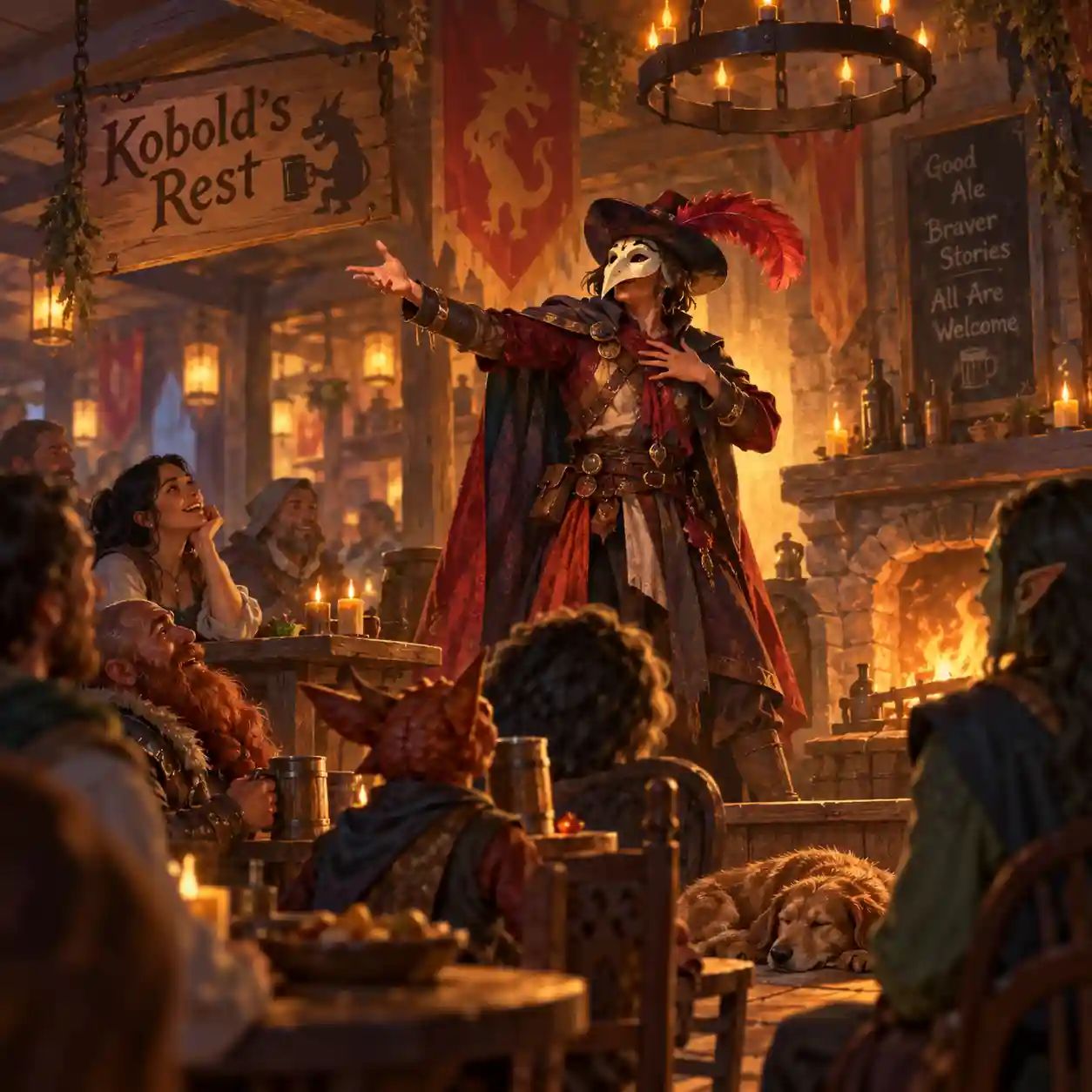
When players ignore the main quest, the temptation is to make the world shove them back toward it. That usually feels like punishment. A better approach is to let the world keep moving while the players pursue what actually interests them.
The goal is not to make every choice safe. It is to make every choice meaningful.
If the problem is that the table has too many equally plausible choices, our guide to sandbox fatigue explains how to restore direction without railroading.
First, Ask Why They Walked Away
Players often ignore a plot because another hook feels more urgent, clearer, or more personal. Sometimes the main quest looks optional because the consequences are vague. Sometimes a side character simply captured their attention.
Before changing anything, identify what the table is responding to. That tells you what kind of campaign they are trying to play.
Do Not Turn Consequences Into Revenge
The world can react without the GM “teaching the players a lesson.” If a threatened village is ignored, the threat may grow. If a rival faction is left alone, it may gain influence. Those are consequences of the fiction, not punishments for choosing incorrectly.
The difference is important. Punishment says, “You should have followed my plot.” Consequence says, “Things happen even when you are somewhere else.”
Write What Happens Without the Heroes
A useful GM exercise is to ask: what would happen if the party never intervened?
Write three or four steps. The smugglers expand. The magistrate responds. A neighborhood changes hands. Refugees arrive in another town. Now you have a moving situation rather than a frozen quest marker.
This is where rumors become useful. Players can hear about consequences without being teleported back to the abandoned plot.
Move Hooks Instead of Forcing Routes
You can reuse good preparation. A memorable NPC, puzzle, secret, or location does not have to remain attached to the exact place you first imagined.
If the party skipped the haunted mill, the essential clue might appear in a ruined tollhouse later. If they never met the merchant patron, that patron might send an agent to the town they chose instead.
Reuse the interesting parts. Do not secretly make every road identical, but do not throw away useful material just because the players turned left.
Reward the Choice They Actually Made
If players abandon the main quest to investigate something else, that new direction should contain real information, relationships, or consequences. Otherwise they learn that only the GM-approved route matters.
Give their chosen path weight. Let it reveal a faction, solve a local problem, create an ally, or expose part of the larger situation from a different angle.
Bring the Main Plot Back as Information
You do not need to drop the main quest. Let it return through changes in the world.
- A road is suddenly crowded with travelers leaving the region.
- A familiar symbol appears in a new place.
- An NPC mentions that prices have changed because of trouble elsewhere.
- A rival arrives with knowledge the party could have discovered first.
These reminders feel organic because they are consequences, not commands.
Know When the Main Quest Is Actually the Wrong Quest
If players repeatedly ignore one storyline while eagerly following another, consider promoting the thing they care about. Campaigns are collaborative. The “main quest” can change.
The best ongoing games often emerge from a tension between prepared situations and unexpected player priorities.
A Simple Rule
When players walk away from your planned plot, use this rule: advance the world, preserve the choice, and recycle only what still fits.
You will usually end up with a campaign that feels more alive—and players who trust that their decisions matter.



3 Comments