TTRPG Campfire Roleplay Prompts Without Forced Acting
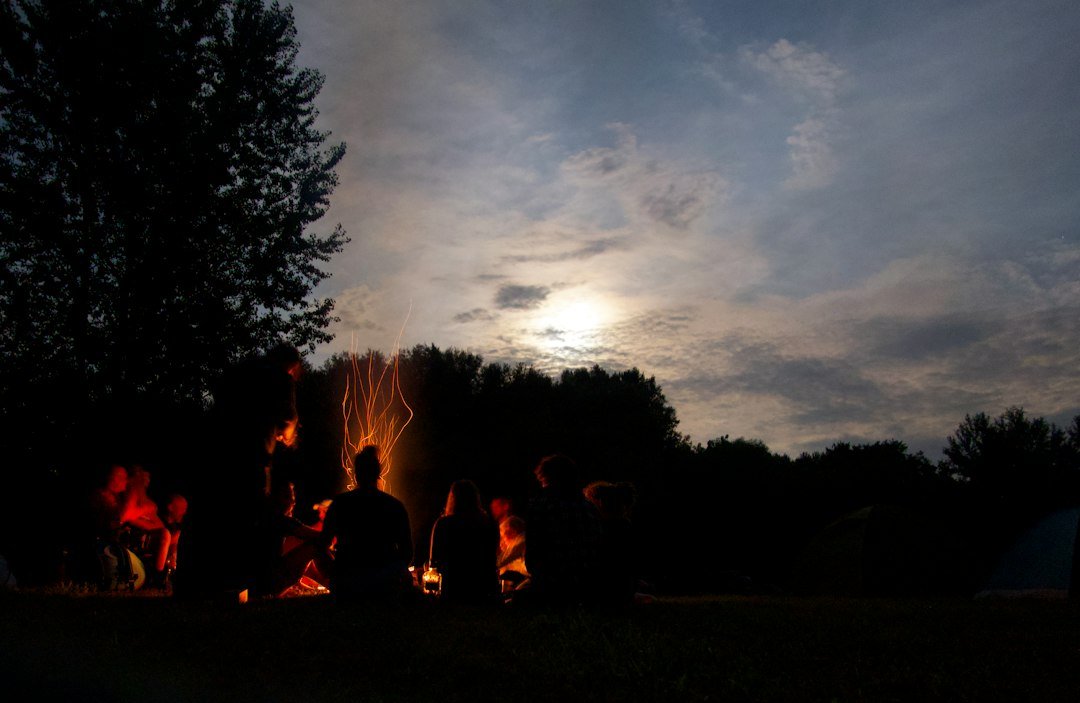
TTRPG campfire roleplay prompts can help a party feel like companions without requiring everyone to perform a dramatic monologue. The best prompts are optional, concrete, and tied to what happened during play. Some players enjoy dialogue in character; others prefer a short third-person summary, a written response, or simply listening. These eight prompts and a five-minute procedure welcome all of those approaches.
Start by asking whether the group wants a quiet scene
A session may be reaching its end, or the party may just want the mechanical benefits of resting before a difficult encounter. Neither situation needs a mandatory conversation. Say, ‘Would anyone like a short campfire moment, or shall we skip to morning?’ If someone wants the scene, invite participation rather than assigning it. Our article on quiet moments in TTRPG campaigns explains why space between major events makes characters memorable.
Eight low-pressure campfire prompts
- A small comfort: What ordinary food or habit reminds your character of home?
- Useful gratitude: Whose action helped you today, even if they barely noticed?
- A skill learned: Who taught you one practical thing you still use?
- A mistaken first impression: What did you misunderstand about another party member?
- A place worth returning to: Which location on this journey felt unexpectedly welcoming?
- Something worth fixing: Is there a broken object you would repair if time were free?
- A private hope: What would a good ordinary day look like after the current adventure?
- A gentle choice: Who takes the first watch, and why?
These questions do not require players to reveal trauma or secret backstory. A character can describe the taste of a childhood soup and still reveal something meaningful. Use the prompts as invitations, not tests.
The five-minute campfire scene structure
Begin with an image: damp boots near the fire, a pot of lentils, or a quiet rooftop after a difficult day. Offer one prompt. Let anyone answer in character, summarize in third person, or pass. If two people want to talk, give them a few minutes. Close with a small action and move on. This fits between scenes because it has an end point; it does not turn rest into another complex subsystem.
Third-person roleplay is still roleplay
A player might say, ‘My character tells the group about the baker who taught them to cook, then offers the ranger a share of dinner.’ That gives everyone usable information without acting a voice or improvising dialogue. Another player might write a note in chat after the session. Treat these modes as equal ways to participate. Never withhold normal rest benefits because a quieter person did not perform a story for the group.
Worked example: the party after a failed negotiation
The characters return from a council meeting where their proposal was rejected. The GM offers the small-comfort prompt. One player describes their cleric warming flatbread near the coals. Another says the warrior sits quietly and helps clean the pan, because they are embarrassed by the meeting. A third player passes. The GM notes only one relationship change: the warrior offered practical support without asking for an explanation. The next scene begins at dawn, and nobody loses an ability or experience point for remaining silent.
If you want the failed meeting to have larger consequences, see failed TTRPG negotiations. The campfire scene provides emotional space, not a replacement for the campaign’s decisions.
Make prompts respond to the actual adventure
After a long road journey, ask what the character most missed from home. After a rescue, ask who quietly deserves thanks. After a discovery, ask which detail refuses to leave their thoughts. Avoid recycling a list of deeply personal questions every session. Players will answer more naturally when the prompt connects to something they already chose to do.
What if nobody wants to answer?
Skip the scene gracefully. A party’s relationship can also emerge through how they divide supplies, share travel duties, negotiate, and keep promises. The three-box travel supply tracker creates practical decisions that can demonstrate trust without formal campfire dialogue. Sometimes a short description of a peaceful night is enough.
Printable-style campfire prompt card
- Scene location: ___
- What happened today: ___
- One optional prompt: ___
- Who wants to answer: ___
- One small choice or kindness: ___
- End of scene: ___
Should you reward participation?
If your table enjoys optional roleplay rewards, avoid turning them into a performance contest. A simple narrative callback—an NPC remembers a story, or a character discovers common ground—is often enough. The mechanical rules for healing, spell recovery, and advancement should remain consistent with the game the group agreed to play. Everyone deserves access to their character’s normal abilities regardless of social confidence, energy, or communication style.
Great campfire scenes can be a whole conversation or just one character silently handing another a warm cup. Keep the doorway open, let people choose how to enter, and return to the adventure when they are ready.