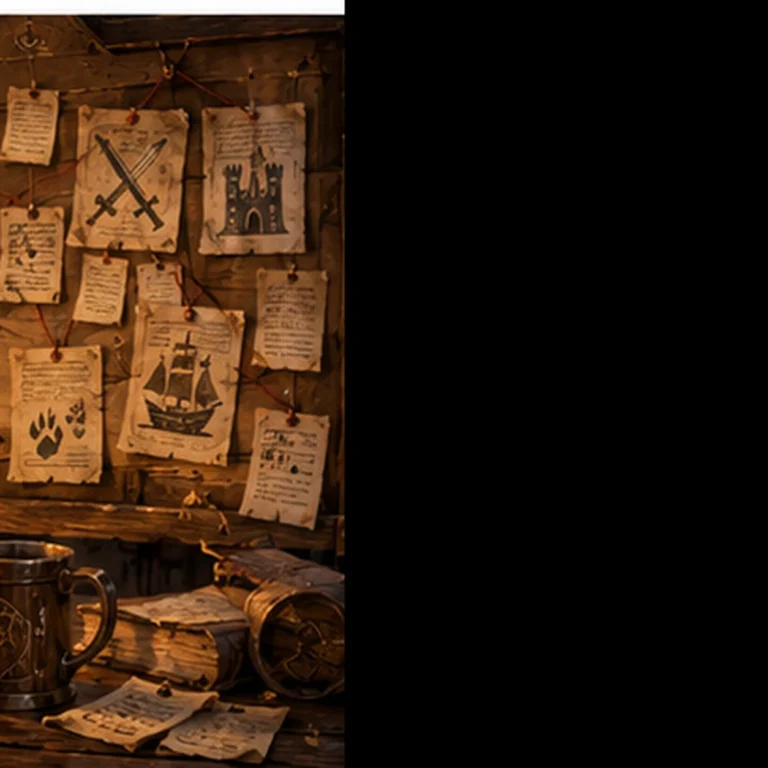
TTRPG Travel Supply Tracker Without Counting Every Ration
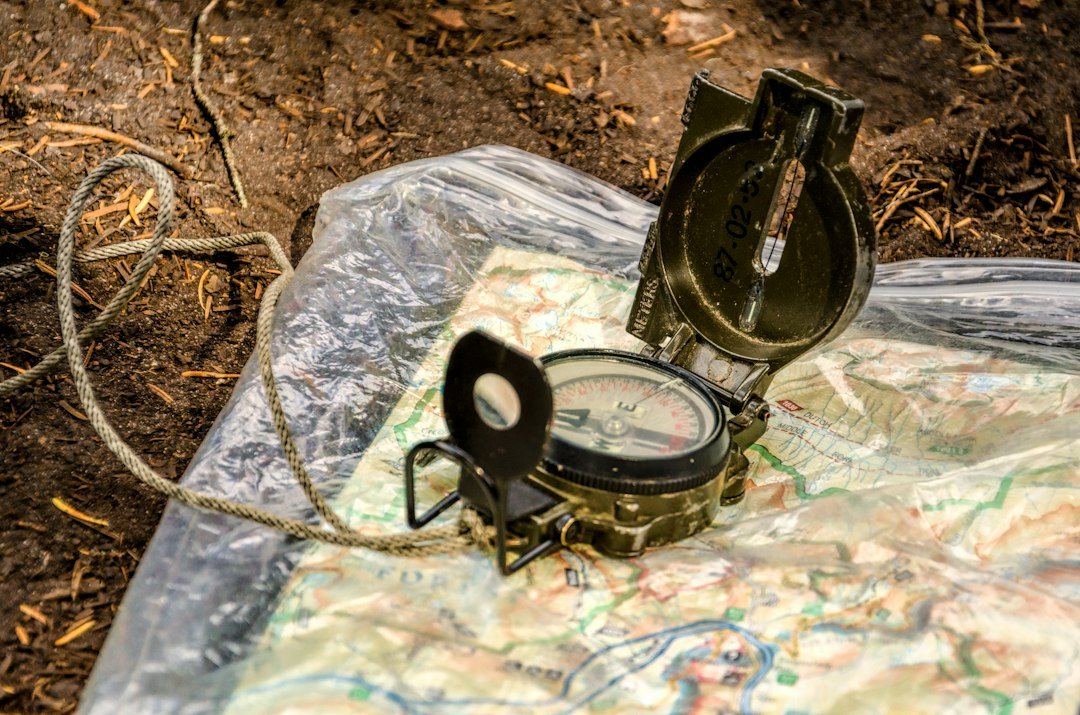
A TTRPG travel supply tracker can make a journey feel challenging without turning every session into an inventory audit. Instead of calculating the weight of each candle, this system tracks a few categories that matter when the party faces a delay, damaged gear, or an unexpected guest. It is rules-light, system-neutral, and designed for Game Masters who want travel choices—not accounting homework.
Track pressure, not a shopping receipt
Start by asking what supplies are supposed to do in your campaign. If the party travels through safe villages, food may simply be a recurring expense. If they cross a frozen pass, fuel and shelter are interesting because lacking them changes a decision. Record resources only when the fiction can put pressure on them.
Use three supplies: Meals (food and ordinary water), Camp (fuel, dry bedding, repair materials), and Special (one unusual requirement such as medicine, lantern oil, or animal feed). Players choose the special category when planning the journey. Everything else stays in ordinary equipment notes. This avoids re-inventing an entire encumbrance system.
A three-box supply clock
Give each relevant category three boxes. A fully stocked category has three available uses. Check one box when a meaningful event consumes extra resources: a storm forces an additional night in camp, a bridge closure requires a detour, or the party shares food with refugees. Routine days don’t automatically remove a box unless scarcity is the purpose of the adventure.
When a category reaches zero, don’t narrate immediate disaster. Present a choice: spend money at a roadside inn, lose a day finding materials, trade a favor for shelter, or travel without a comfort or advantage the gear normally provides. The loss matters because the party can respond creatively.
Worked example: three days toward the mountain pass
| Event | Supply change | Choice created |
|---|---|---|
| Cold rain ruins kindling | Camp 3 → 2 | Detour to dry lodging or push on |
| Unexpected ferry delay | Meals 3 → 2 | Pay for local provisions or negotiate transport |
| Wounded courier needs help | Special: medicine 2 → 1 | Help now or preserve treatment for later |
| Reach the waystation | Camp replenished for a fee | Accept the owner’s terms or keep moving |
The clock changes only when an event makes a difference. The ferry delay also connects naturally to our fantasy ferry schedules guide, while the mountain route gains weight from fantasy winter road closures.
Use three kinds of restocking
Easy restock: in a settled town, supplies return to full after normal payment; there is no need for a shopping scene. Costly restock: at a remote inn or threatened village, the group chooses between coin, favors, and delay. Uncertain restock: in a dangerous wilderness, the party must find a specific person, location, or opportunity first.
Signal which situation applies before the party commits to a long route. The players should be able to plan around predictable difficulties rather than discovering that the GM invented a shortage after they chose their path. A clear warning from a guide—’No dry firewood above the ridge’—is better than a surprise punishment.
What if the game already has encumbrance rules?
Don’t run two weight systems at once. If your RPG tracks bulk or carrying capacity, treat the three-box method as an optional layer for group provisions only, or skip it entirely. A mule can justify an extra initial box, but it introduces new needs like feed, handling, and shelter. Let the existing rules do their job for weapons and armor.
A supply clock should make a simple story question visible: How prepared are we for another setback? If the table prefers detailed survival, use the official ration and exhaustion mechanics instead. If it prefers cinematic travel, one shared track is often enough.
If the party travels in snow, supply pressure can lead to encounters that do not require a fight. The noncombat winter travel encounters d8 table offers ready-to-use situations built around stranded travelers, difficult routes, and choices about helping others.
Make supply problems create scenes, not penalties
A broken lantern can lead to bargaining with a shrine caretaker. A shortage of dry socks might make a party choose the warm but politically tense inn over the cold safe barn. Sharing medicine with an NPC can build a friendship. These consequences keep logistical preparation connected to people and places.
Consider one positive use too: the group can spend a box deliberately to improve someone’s circumstances. Offering meals at a mourning feast, supplying a village repair crew, or feeding stranded passengers demonstrates generosity. The players see the resource as agency rather than a constant tax.
Copyable group supply sheet
Route: ___________ Expected stops: ___________ Known hazard: ___________
- Meals: □ □ □
- Camp: □ □ □
- Special (name): □ □ □
- Best restock location: ___________
- What happens at zero: ___________
- Who records changes: ___________
Keep the sheet on the table where everyone can see it. Let a volunteer update boxes during a recap instead of halting every travel description. Our travel without random encounters article provides the encounter structure around the tracker.
Frequently asked questions
Do supplies decrease every day?
Only if a day-by-day survival game is what everyone signed up for. For most story-focused campaigns, mark a box after significant setbacks and consequential spending. Ordinary passage of time can remain abstract.
Should a failed survival check consume supplies?
Sometimes, but offer other consequences such as lost time, exposure, or a difficult route. Repeating the same loss turns choices into routine arithmetic and risks making skilled characters feel ineffective.
How do you stop unlimited resupply?
Make the fiction clear: towns restock reliably; isolated settlements have limited stock; remote routes need specific opportunities. Scarcity should follow geography and circumstance, not GM frustration.
The ideal travel tracker is small enough to forget until a real decision appears. Use it to give preparation visible rewards and interruptions meaningful costs, without letting bookkeeping become the adventure.