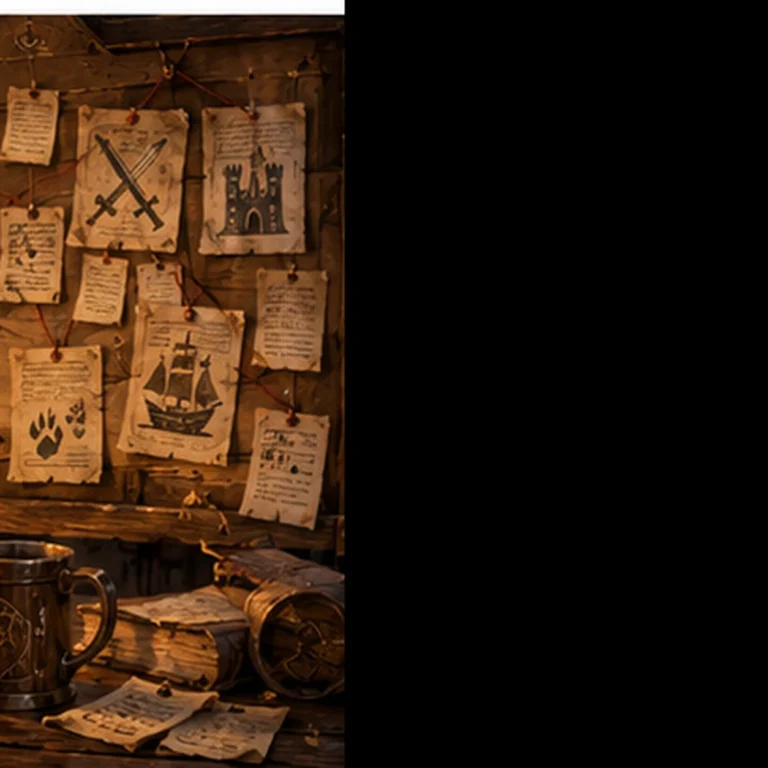
TTRPG Notice Board Handout: Five Usable Town Notices
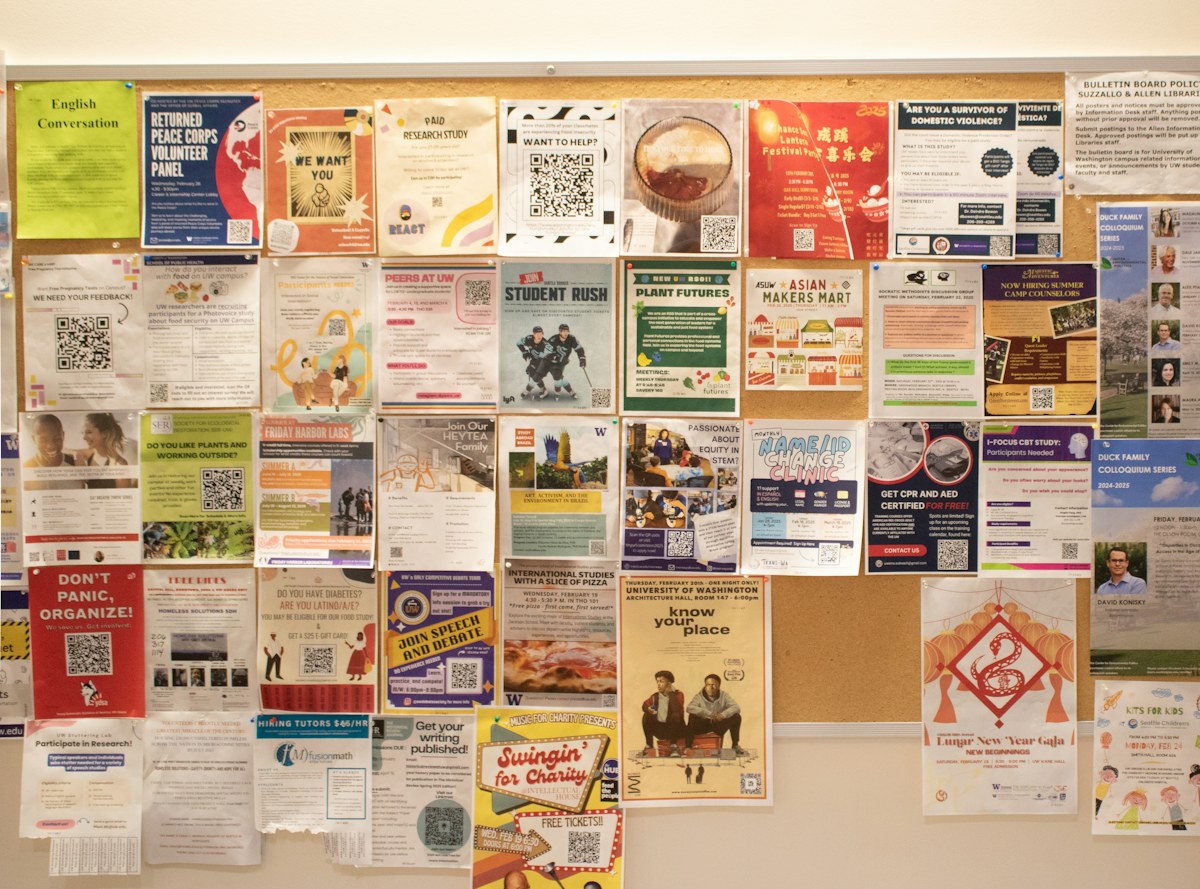
A useful TTRPG notice board handout offers several specific things players can do without telling them which adventure to choose. The notices should sound like messages written by townspeople, not summaries written by the GM. Include a person to contact, a first step, and a reason the request matters. Then mix actual jobs with warnings, events, and mundane community concerns so the town feels inhabited.
Below is a ready-to-copy, system-neutral notice board for the fictional river town of Bellport, followed by GM notes and a simple design method. You can display the notices on a virtual tabletop, print them as separate slips, or read them aloud. No special rules system is required.
Where the board stands changes who reads it
The Bellport board hangs under the covered steps of the ferry office. It is maintained by a clerk who removes expired announcements after the market closes. River workers, visiting merchants, and residents waiting for a crossing see it daily. That location explains why it carries transport warnings and small jobs rather than exclusively monster bounties.
Before creating your own board, answer three questions: who can post, who checks the information, and how long does a notice remain? If anyone can post anonymously, rumors and scams may appear. If only the council can post, the board may tell players more about official priorities than public opinion.
Player handout: five notices from Bellport
The following text is written for players. Copy these five notices without the GM notes that follow.
Notice 1 — North road closed
TRAVEL WARNING — NORTH CAUSEWAY
Floodwater has loosened the lower planks. Heavy wagons must use the stone bridge until the survey is complete. Two volunteers who know ropework are needed at first light. Ask for Orrin at the bridge keeper’s house. Hot breakfast provided.
This notice has an immediate public benefit, a concrete location, and a modest reward. It invites assistance without implying a mandatory fight. Characters who are traveling north also receive useful information even if they never volunteer.
Notice 2 — Missing account book
LOST: BLUE-STITCHED CARGO LEDGER
Last seen near the cooper’s yard after the evening bell. No names will be taken from anyone who returns it unopened. Bring it to Clerk Sela at the ferry office before the next market day. A private reward is offered.
The strange request to return it unopened invites questions, but the writer does not confess a secret in public. The players know what to look for and whom to approach. They can also ignore it without breaking the setting.
Notice 3 — Public hearing
QUAY LANTERN HEARING
Residents affected by the recent night-light failures may speak at the council hall on Friday at noon. Written accounts accepted at the watch office until Thursday sunset. Dockworkers, merchants, and householders are all welcome.
Not every opportunity should be a paid job. This posting creates a social scene, signals a recent civic problem, and offers a choice between attending and submitting evidence. It can also give quieter players a reason to investigate or write something in character.
Notice 4 — The baker’s delivery
HELP WANTED FOR ONE MORNING
Our apprentice has sprained an ankle. We need someone to carry six bread baskets to the west bank before the second bell. Ask for Mira at the copper-roof bakery. Payment is two silver pieces and a loaf for the road.
This notice creates an ordinary job with a small deadline. It is particularly useful when players want a peaceful way to meet residents. If your campaign economy uses different money, replace the stated payment with a locally meaningful wage.
Notice 5 — Found at the shrine
FOUND PROPERTY
A child’s red scarf and a brass key were left beneath the roadside shrine. Please describe the key’s marking before claiming it. Speak to Keeper Nalin after the midday meal. No reward requested.
Not every intriguing object needs to hide a major plot. The key might belong to a mundane chest, or it might lead to an optional conversation. The point is to give the town small mysteries that do not automatically demand a dungeon.
GM-only notes: what happens if players respond?
North causeway: The repair crew needs hands to secure a rope line, not adventurers to defeat a creature. Helping earns a reliable contact with Orrin and a safer route for future travel. If ignored, repairs finish a day later, and a merchant complains about delays.
Missing ledger: Sela hid the account book after discovering inconsistent cargo fees. She wants it back because the wrong people might read it. The ledger was actually carried to the cooper’s workshop for drying after a rainstorm. An interview or inspection can reveal this; no single skill check is required.
Lantern hearing: The council wants testimony about damaged fuel stores. The party can support the dockworkers, question the watch, or simply listen. The hearing goes ahead without them and results in temporary lamps funded by the council.
Bread delivery: Mira’s route crosses a ferry that sometimes leaves early. The interesting choice is whether to pay for a private crossing, persuade the ferryman to wait, or deliver the baskets by the longer bridge road. Success earns an introduction to west-bank residents.
Found property: The scarf belongs to a child whose family visited the shrine. The key belongs to a traveling tinsmith. Both owners can be found through ordinary questions. Keeping this notice genuinely low-stakes helps the players trust that not every posting conceals a trap.
How to write your own notice in four fields
Use this compact formula: Who is asking? What needs doing? Where should a responder go? When does the opportunity change? A fifth field—payment or social benefit—is optional. In a living settlement, people ask for help with repairs, deliveries, disputes, and celebrations, not only treasure hunts. For a tighter quest-selection framework, see three meaningful TTRPG quest board leads.
Keep the public text short enough to scan at the table. Put secrets, complications, and possible outcomes in your GM notes. The handout should contain what a passerby could reasonably read, not what only the GM knows. That same boundary matters in player-facing faction news handouts.
Make the board change after each session
At the next visit, cross out the road warning if the bridge has reopened. Replace the hearing notice with a summary of the council’s decision. If players helped the baker, let Mira post a thank-you. These small updates reward attention and communicate that events proceed even when the party chooses another lead.
Do not treat every missed deadline as punishment. The repair crew may find another volunteer; the merchant may hire a different courier. The world should move, but characters should not feel they failed merely by choosing among the opportunities you offered. For more ambient leads, combine the board with a neighborhood rumor table—rumors invite questions, while notices make specific requests.
Common notice-board mistakes
- Five identical bounties: vary the type of action, reward, urgency, and social stakes.
- No first step: include a named contact or identifiable location rather than “seek adventure.”
- Secret exposition in public: keep hidden motives in GM notes.
- Fake choice: allow players to ignore or combine leads without forcing one to become the main quest.
- Permanent clutter: retire old notices and show outcomes so the board reflects passing time.
Frequently asked questions
How many notices should a town board display?
Start with three to five clearly different options. You can keep additional notices in reserve and rotate them in later. A smaller selection is easier for players to compare during a short session.
Can I use this handout in a D&D game?
Yes. The sample is system-neutral. Adjust currency, checks, travel distances, and rewards to your edition and campaign. The written notices do not depend on a specific stat block.
Should every notice lead to an adventure?
No. A believable board includes public information and ordinary requests. Some notices should simply help players understand the town, choose routes, or make friends.
At the table: show the five notices, ask which two catch the party’s attention, and prepare one meaningful consequence for each. That is enough to turn a static handout into a town that responds to player decisions.