TTRPG Faction Negotiations: Offers, Leverage, and Consequences
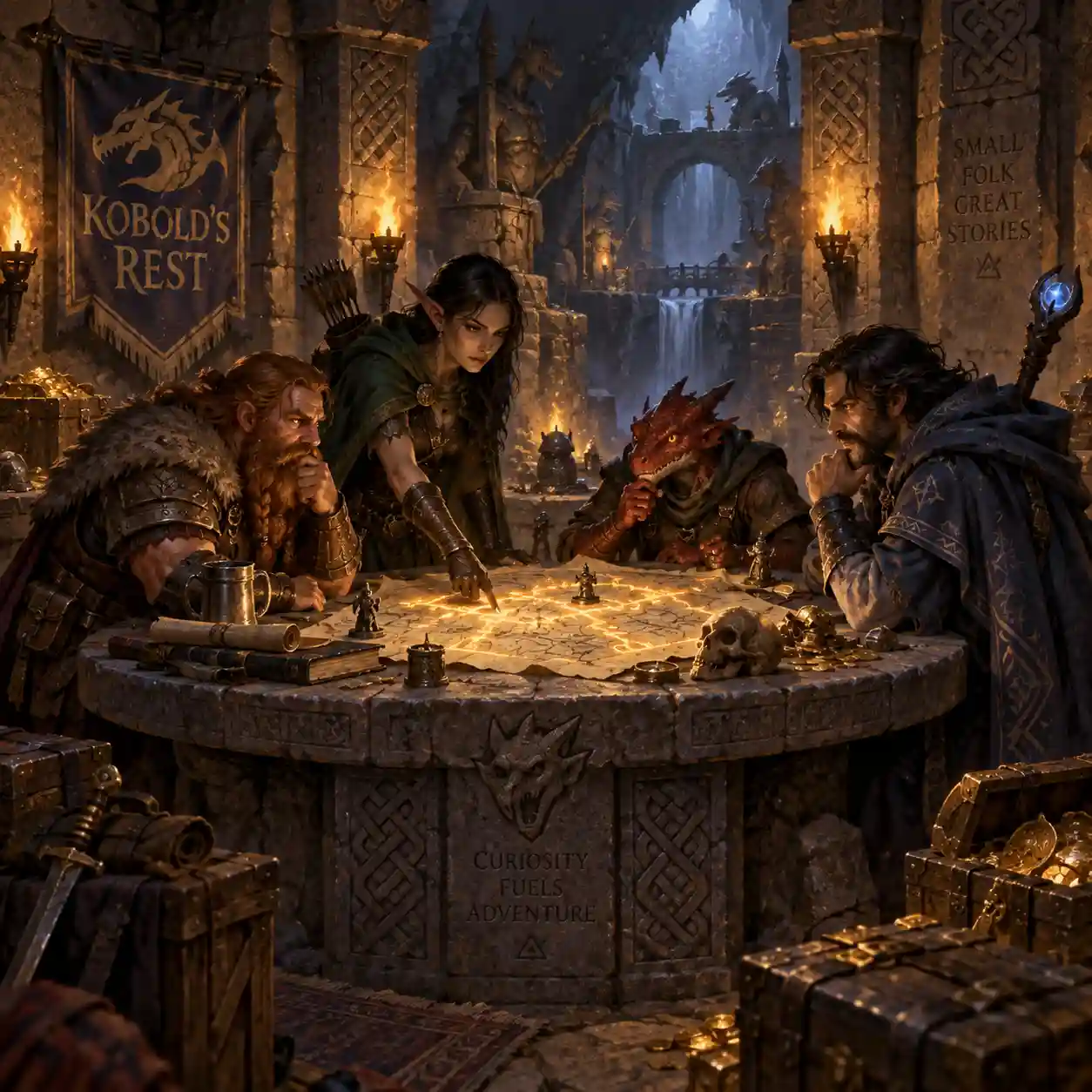
TTRPG faction negotiations become fun when players can change an organization’s mind for reasons the table understands. Too often the GM announces that the Merchants’ Guild hates the party and then waits for a Persuasion roll. The stronger approach gives each faction a specific need, a price, and a line it will not cross.
This is a social-encounter companion to our faction turn procedure. Turns determine what organized groups attempt; negotiations let the characters influence their plans. You do not need a new rules subsystem unless your group enjoys one.
Give every faction an immediate objective
“Wants control” is too vague to bargain with. “Wants the east ferry operating under an exclusive three-month license” gives players something to challenge or modify. Add why it matters now: merchants need a reliable crossing before the rainy season and the guild fears losing income to unaffiliated boats.
Record what the faction publicly says it wants and what it privately fears. The difference can generate investigation without making every spokesperson a liar. An official might genuinely care about safety while also protecting a relative’s contract.
Define what they can actually offer
A guild can provide transport, credit, storage, or introductions; it probably cannot pardon a murder. A temple may offer shelter and testimony, not military command. Limit offers to real capabilities so bargains have weight.
Three useful forms of payment are resources, information, and commitments. A faction might exchange warehouse access for a public endorsement. Another might give testimony if the party guarantees protection for a vulnerable witness. A promise is especially good fuel for future sessions because it must eventually be kept or broken.
Leverage is more than a high charisma score
Leverage means something the other side values: evidence, an alternative route, public support, a deadline, an unmet need, or a competing offer. Players gain leverage by investigating and thinking, not just by rolling exceptionally well.
Use skill checks when the result is uncertain: how well the group presents an offer, whether someone keeps their composure, or whether an official reveals an extra concession. A roll should not erase a faction’s established interests, but it can improve the terms.
Example: bargaining over the Ashbridge ferry
The River Guild asks the council for a sole ferry license. The party represents independent boat owners. The guild wants predictable revenue and promises pier repairs; independents want access; the council fears a dangerous crossing. The party discovers a cracked piling and a reserve fund that could pay for a new inspection.
They propose a shared license, with the guild maintaining the pier and independents paying a smaller maintenance fee. The guild resists until the players offer to help audit safety costs. Now the GM has a decision instead of a pass/fail persuasion gate. The guild might accept, counteroffer, or demand an additional guarantee.
Prepare three possible responses
- Agreement: the group accepts the deal but requires a written commitment or proof.
- Counteroffer: it accepts the principle but changes the price, scope, or timing.
- Refusal: it has a reason to decline and the players can seek another route, ally, or piece of evidence.
These are not scripted outcomes; they are the kinds of reactions people plausibly have. If players invent an option the GM did not anticipate, compare it with the faction’s goals and resources.
Track how trust changes afterward
A faction can dislike the party while keeping a useful contract, or admire the party while opposing its policy. Use a faction reputation tracker for how it views the characters, and a relationship map for the promises connecting organizations and individuals.
Beware of awarding reputation simply because a player spoke eloquently. The consequences of honoring or breaking the bargain should matter more than the performance of a single speech.
Don’t make every compromise morally clean
A bargain that solves the crossing problem may leave smaller villages paying more. A guild deal might preserve jobs but put one unsafe vessel back into service. Let players see who benefits and who bears the costs. Good faction politics do not demand that everybody become cynical, only that decisions have distributional consequences.
One-page negotiation prep sheet
- Faction and spokesperson
- What it wants now and why the deadline matters
- Resources it can offer
- Hard boundary it will not cross
- Hidden pressure players can discover
- One plausible compromise
- What changes if talks succeed, stall, or fail
Start the scene by stating the concrete dispute, not the history of the entire government. Once players understand the price and potential allies, they have meaningful choices. The best negotiation is one that changes what both sides do when the meeting ends.