TTRPG Council Petition Handout: Three Player-Ready Examples
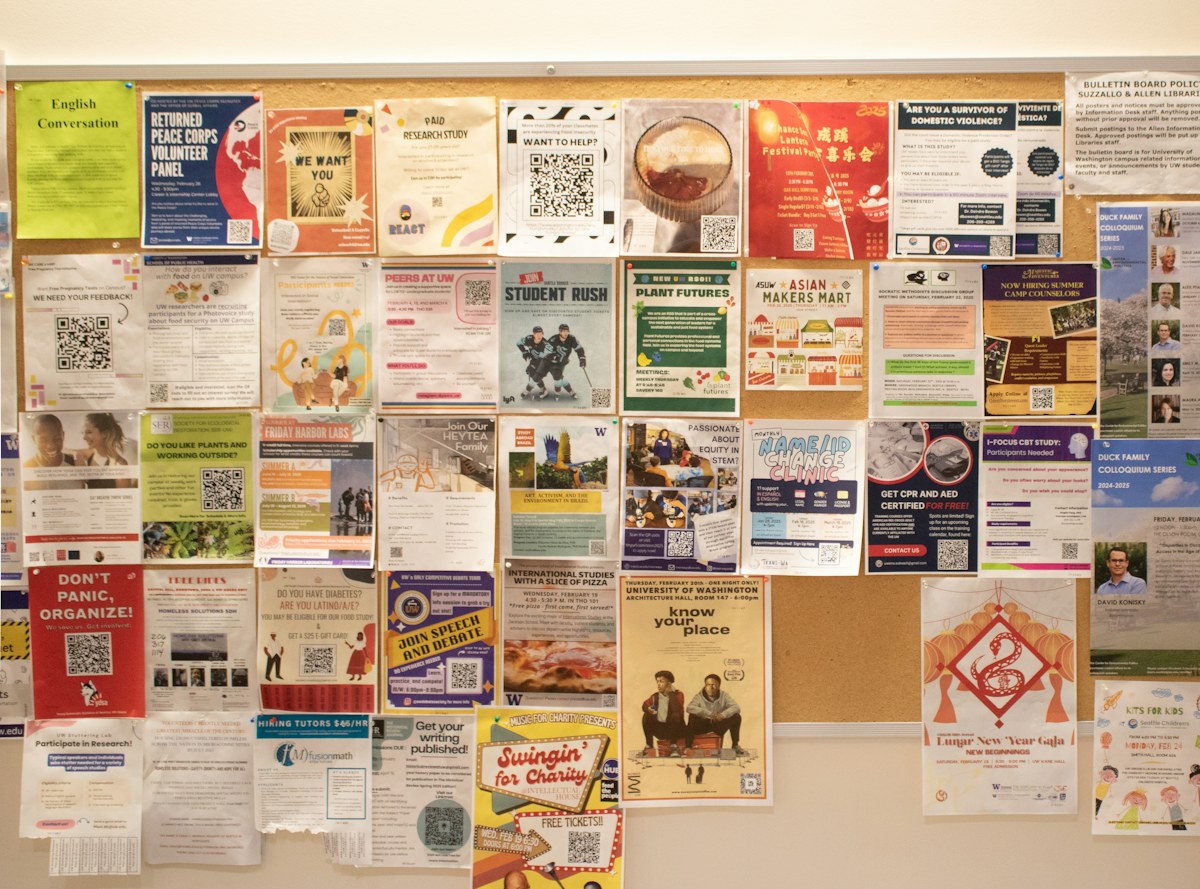
A TTRPG council petition handout is a short written request that characters can submit, sign, challenge, or deliver to the people who make local decisions. It can make a political scene playable without asking everyone to perform an elaborate speech. The three original examples below—about bridge access, market space, and a public well—put concrete proposals in the players’ hands.
What belongs on a petition?
A petition needs a named petitioner, a decision-maker, one requested action, a reason, and a date by which the decision matters. A signature line can reveal whether neighbors support the request, but signatures should not be treated as automatic proof that a claim is true. At the table, show players the short public document and keep any hidden motives separately in the GM notes. The council meeting encounter template provides the three-round structure for hearing these requests.
Handout one: reopen the west footbridge
To the Ward Council: We, the undersigned residents of Westbank, request a daylight pedestrian crossing at the old bridge until the new road is finished. The infirmary is across the river. We ask the bridgewarden to inspect the span before the third market day. Signed: Mara Bell, keeper of the riverside inn, and nine households.
This petition gives the players a clear location, a safety constraint, and two people worth interviewing. Its request can be accepted with an inspection condition. The bridgewarden may reasonably oppose any opening until repairs are done; the petitioners may reasonably object to a long detour. A fair encounter asks what evidence would change the council’s mind, rather than making one Persuasion roll settle structural safety.
Handout two: protect the market stall queue
Petition of the Outer-Market Traders: Reserve five stalls each seventh day for small growers who do not hold permanent guild leases. We offer to pay the regular cleaning fee and request a trial period of one month. Our representative is Sella of the North Orchard.
This document can lead the party to a stallholder, a guild clerk, and the person who handles cleanup. It does not prove that the guild is malicious. Existing leaseholders may fear losing their place or covering costs for a trial that fails. Let players propose a schedule or a smaller pilot. Our fantasy market day worldbuilding guidegives the street-level logistics needed to make the request credible.
Handout three: public access to the sixth well
For the Water Committee: The Sixth Well is closed while the southern houses are occupied. We request that the committee publish the testing results, establish a temporary collection hour, and provide a second cart for residents who cannot carry heavy jars. Delivered before the rain season by the neighbors of Reed Lane.
Now players can investigate whether the well is truly unsafe and what temporary access would cost. A missing test result may be an administrative delay, not a conspiracy. A good outcome might be a public notice and a safe alternative route. The fantasy water rationing guideoutlines the pressure that shortages place on different households.
How to use a petition in a session
Give players the document before the council meeting, ideally alongside two possible sources of evidence. Ask what they want to add, challenge, or verify. Different characters can contribute by checking estimates, interviewing signers, examining the site, or drafting a compromise. The petition is not a GM script. Players may support it, reject it, or file their own amendment. Allow the council to respond to the actual plan the party develops.
Make a partial success satisfying
The council need not approve every demand. If the petition requests full bridge access, it might authorize an inspection and a temporary footpath. If the market wants five stalls, the council might offer three for a trial period. Announce who must carry out the decision, which record will be published, and when the issue will be reconsidered. The world should respond visibly, not hide all consequences behind a future secret roll.
Copyable petition handout layout
- Addressed to: ___
- Requested action, in one sentence: ___
- Reason and affected residents: ___
- Deadline or next hearing: ___
- Signer or sponsor: ___
- Evidence someone can verify: ___
- Reasonable objection: ___
- Possible compromise: ___
Print the first five fields as the public handout. Keep the last three in a GM note if the players have not investigated them yet.
Three mistakes to avoid
First, do not bury the requested action under pages of decorative legal language. Second, do not make all petitioners perfectly truthful or all council members secretly corrupt. Third, do not require one charismatic player to speak for the group; written proposals and prepared evidence are meaningful character actions too. For public-facing documents unrelated to formal petitions, the town notice-board examples offer shorter hooks.
A well-written council petition turns abstract politics into a decision the characters can understand. It gives the players words to contest, a place to investigate, and a community whose needs remain visible after the vote.