Fantasy Burial Grounds: Grave Keepers and City Customs
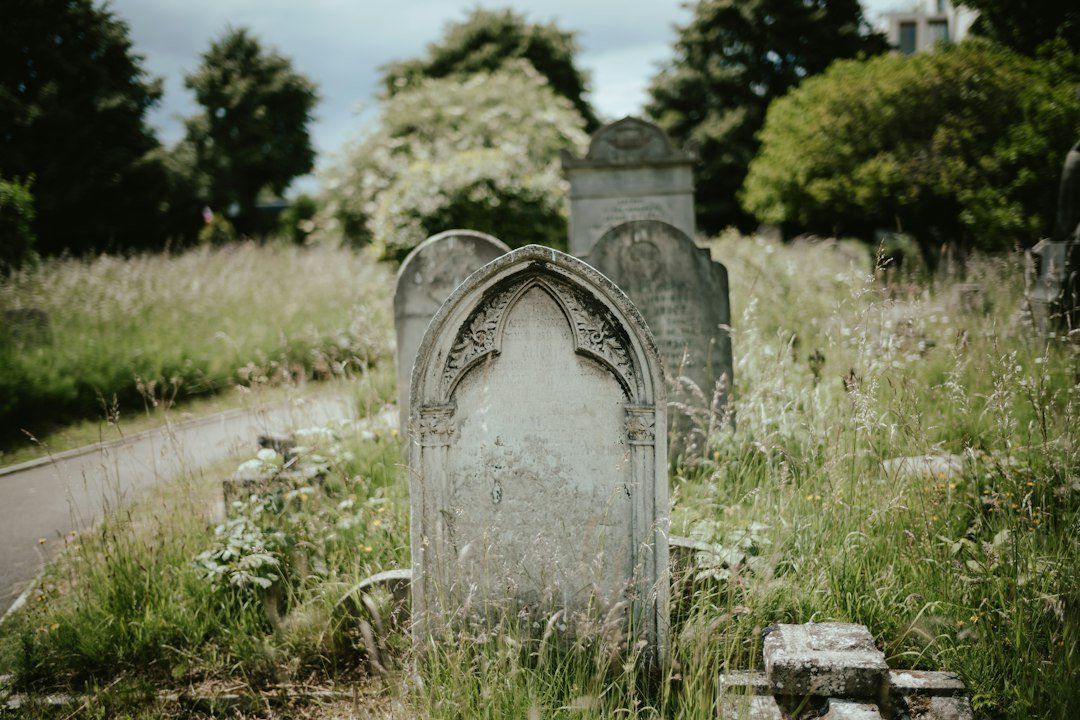
Fantasy burial ground worldbuilding is most convincing when a graveyard is more than a spooky location outside the walls. Families visit, caretakers maintain paths and markers, faith communities hold ceremonies, and officials decide who may be buried where. Those everyday responsibilities reveal how a society remembers its dead and supports the living. This guide focuses on practical graveyard design, not generic haunted-cemetery encounters.
Choose how this culture treats the dead
Burial is only one possibility. Some communities cremate, place remains in family tombs, use memorial stones without bodies, or follow magical rites that change the practical needs entirely. Decide which method is common and what it means socially. A cemetery may be a public service, a temple responsibility, or a network of family plots. Do not blend traditions indiscriminately; choose rules that fit the culture’s beliefs, geography, and resources.
Put the burial ground somewhere meaningful
A hillside beyond the city wall may offer space but be difficult for elderly visitors. A courtyard beside a shrine allows frequent rituals but is constrained as the town grows. A riverside plot might flood, while rocky land makes digging difficult. The location affects paths, drainage, transport, and the cost of maintaining graves. Our fantasy city districts guide can help place the cemetery relative to homes, temples, roads, and ordinary workers.
Who takes care of graves and memorials?
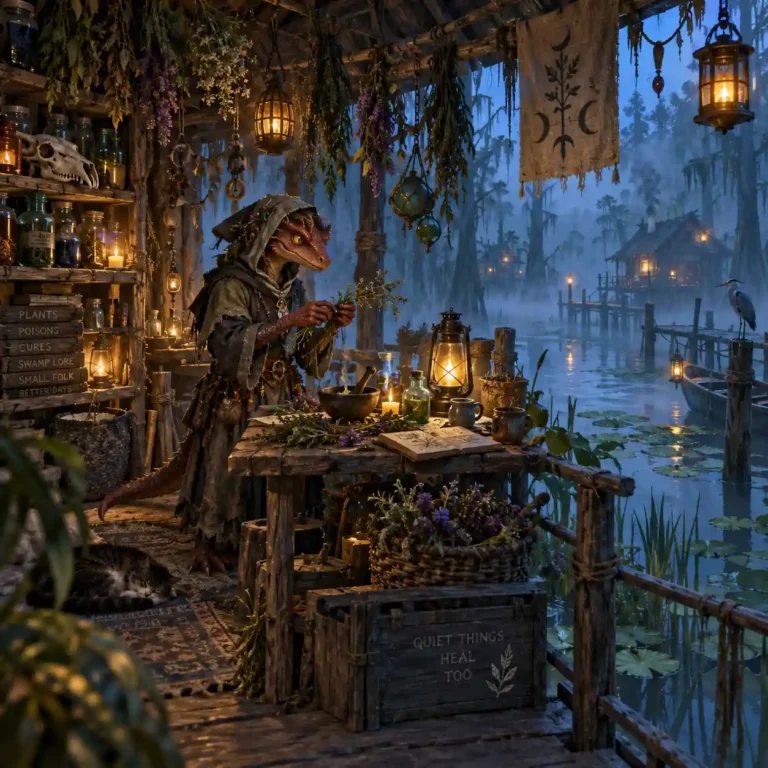
A grave keeper may maintain paths, record burials, prepare plots, repair walls, guide visitors, and help families find older memorials. A temple or guild might hire several people for different tasks. The work includes grief and paperwork as well as physical labor. Give the caretaker a routine—checking drainage after a storm, replacing a broken marker, or opening a gate on remembrance days. They are not necessarily an eerie recluse; they may be an indispensable public servant who knows generations of family history.
Decide who may be remembered publicly
Plots could be assigned by household, neighborhood, profession, faith, or fee. What happens to travelers with no relatives nearby? Are there communal memorials for people whose names are unknown? A society’s choices about access can reveal hierarchy, generosity, or historical injustice. Even a small rural burial ground may have a rule about reusing space or maintaining neglected graves. Make the rule clear and allow residents to challenge it through known procedures.
Worked example: the Lantern Hill cemetery
Lantern Hill stands above the west gate of Mirehaven. A keeper called Orsa maintains narrow paths, keeps a ledger of names, and lights one lantern each month for people who died far from home. The town pays her wages, while families repair individual memorials. After heavy rain damages the lower wall, several graves become difficult to reach. A wealthy family offers to fund repairs if its private gate is moved to the central path.
Orsa worries that ordinary visitors will lose access. The council wants the repair completed before remembrance day, and a mason cannot begin without clearing the damaged route. A party can coordinate workers, negotiate a fair donation agreement, or help families preserve fragile markers. No hidden ghost is required to make the stakes real.
Let ceremonies reflect work and community
Who brings flowers, food, bells, music, or written names? Does the community clean graves before an annual remembrance day? Are mourners expected to speak publicly, or is quiet companionship more respectful? Use specific actions tied to a culture rather than assuming there is one universal way to grieve. For scene-level writing, the companion fantasy funeral scene guide focuses on intimate gestures and emotional pacing.
Use records as sources, not infallible truth
A burial ledger may list names, dates, relatives, and plot locations. It can contain clerical mistakes, old spellings, or missing pages. A visitor seeking an ancestor might find that the family name was changed generations earlier. Such details make a mystery fair if players can compare the ledger with markers, oral accounts, or another record. Our fantasy archive-access guide can help design who may consult these records and why.
Five graveyard story hooks without a monster
- A damaged wall threatens the only path accessible to several families.
- Two neighborhoods disagree over where to place a communal memorial.
- A caretaker finds an older burial record that contradicts a property claim.
- A remembrance-day ceremony is disrupted by a proposed entry fee.
- A traveling family seeks the location of a relative’s grave under a different name.
These hooks invite investigation and care rather than forcing a fight. The site’s purpose remains honoring the dead, even when living people disagree about how to do that.
Copyable burial-ground worksheet
- Rituals and treatment of remains: ___
- Location and terrain: ___
- Who assigns plots or memorial space: ___
- Keeper’s regular work: ___
- Records and visitor access: ___
- Yearly remembrance practice: ___
- Maintenance budget: ___
- One current community disagreement: ___
Can a fantasy graveyard be peaceful?
Absolutely. It may be a garden where children learn family stories, a place elders visit to remember friends, or a quiet landmark visible from the market. A cemetery can carry history and loss without being sinister. When its workers and visitors have routines, it becomes part of a living community—and a setting that matters long after the funeral scene ends.