How to Write a Fantasy Letter Scene Without an Infodump
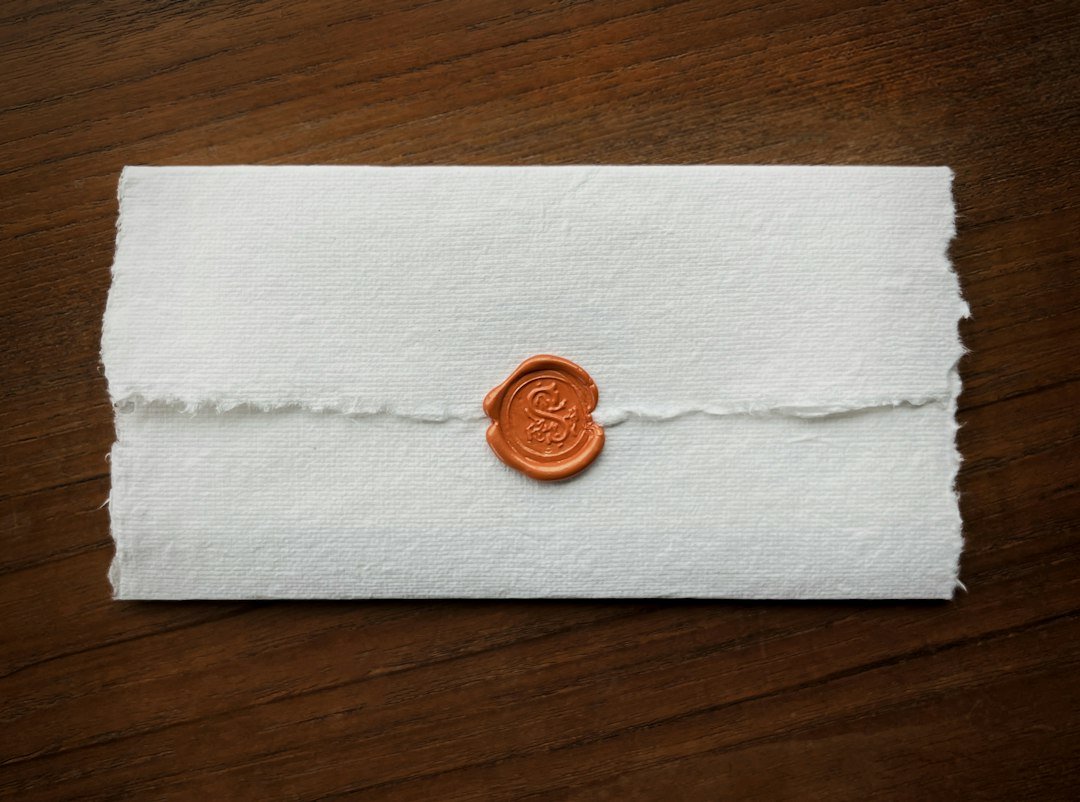
To write a fantasy letter scene that matters, give the letter a job beyond delivering lore. A letter can accuse, apologize, bargain, conceal, or arrive too late to help. The strongest scene is not the message itself; it is the change in a character’s choices after they read, write, hide, or deliver it. Here is a practical way to use correspondence in fantasy fiction without turning a chapter into an encyclopedia entry.
Decide what the letter changes
Before drafting its beautiful salutation, ask what the recipient will do differently after reading it. A mother might demand that her son come home, a guild officer might offer a conditional pardon, and a ruler might send a polite warning that only one adviser recognizes as a threat. If the letter does not alter a plan, relationship, or belief, its content could probably be summarized in narration.
Put the consequence in one line: Because this letter arrives, Eda must choose between keeping her apprenticeship and protecting her brother. That sentence becomes the scene’s spine. Everything else—the seal, ink, messenger, and remembered voice—should sharpen that choice.
Let the delivery method create tension
A fantasy letter lives inside a communication system. Roads close, ferries stop, couriers get bribed, and addresses can be incomplete. A sealed message from the capital has a different social weight from a note passed beneath a bakery door. Determine how long the message traveled and why it arrived now.
A delay can create dramatic irony: a pardon arrives after punishment, or a confession reaches a character who has already acted on a false assumption. Use the fantasy postal system guide for believable delivery times and the lost-letter plot hooks when the journey itself drives the story.
Choose whose scene it is: writer or reader
A letter-writing scene puts the conflict in what the character can bring themselves to say. They cross out a name, rewrite an apology as an order, and leave the final line unsent. A reading scene works differently: the text is fixed, but the recipient’s interpretation changes. They recognize an old nickname or notice that the sender used a title they once refused.
Do not alternate casually between both viewpoints. If a chapter centers on the recipient, let the reader encounter the message through that person’s physical and emotional reactions. If the chapter centers on the author, the revision process can reveal intention and fear before the letter ever leaves the desk.
Use only the lines the reader needs
Fully reproducing a two-page letter often stalls a scene. Quote a greeting, one decisive fact, and a final line with emotional weight. Summarize the ordinary parts: the state of the fields, an aunt’s health, and weather on the road. This creates the illusion of a longer message without forcing the audience to read all of it.
For example, rather than transcribing a list of border taxes, show that the recipient skims the figures until one name appears beside the largest payment. They stop reading. The real story is why that name matters, not every number on the page. This technique also supports fantasy exposition without an infodump.
Before-and-after example: the sealed warning
Too explanatory: ‘As you know, our family has held the western gate for three generations. During the war, your father supported the duke, and the council has always resented him. Now the council plans to remove us.’
Revised letter: ‘They took Father’s name off the western gate this morning. The mason says he was ordered not to keep the broken letters. Come home before they ask for the keys.’
The revision implies a history without explaining every fact. It carries an image, an action, and a deadline. The recipient can understand the immediate danger and ask questions later. It also sounds like someone writing urgently to a relative, not an author delivering a briefing. If you want period flavor without fake archaism, see our fantasy dialogue examples.
Give the paper physical consequences
Letters can be misplaced, forged, stained, copied, intercepted, or deliberately left open. A rain-soaked corner matters if it erases the destination, not because the writer needs atmosphere. A broken seal can be evidence that someone read a message. A carefully folded page may conceal an added note. Decide what the material object enables in the scene.
Be consistent. If wax seals are easy to copy, characters should not treat every seal as proof. If literacy is rare, a public scribe changes who can keep secrets. A courier may know who sent a message without knowing what it contains. Those details are story opportunities, not a checklist of historical accuracy.
Write subtext into greetings and omissions
Correspondents use titles, names, and shared references to communicate feelings. A daughter who suddenly writes ‘My lord’ instead of ‘Father’ has changed the relationship in two words. A familiar sign-off missing from a letter can feel more threatening than a paragraph of anger. An enemy may offer a generous apology while making its price impossible to ignore.
Choose one piece of subtext, then make sure the recipient notices it for a reason. They might remember the last time the sender used that phrase. Let interpretation remain imperfect: the recipient can mistake fear for disdain, giving the next meeting genuine tension.
A five-beat fantasy letter scene
- Arrival: show how and when the letter appears.
- Expectation: establish what the character hopes or fears it contains.
- Turn: reveal one line that changes the situation.
- Decision: force a concrete response—send an answer, hide it, leave town, confront someone.
- Cost: show what that response risks.
In a short story, those beats can occupy half a page. In a novel, the recipient may read the same letter twice with a different understanding, but the scene should still move. The message matters because the character acts, not because it explains the map.
Revision checklist
- Can I state what changes because of the letter?
- Does its travel time make sense in this world?
- Would this sender really include every quoted detail?
- Have I used the recipient’s reaction instead of endless exposition?
- Is one omission, title, or physical detail doing extra emotional work?
- What decision ends the scene?
The best fantasy letters feel like correspondence that existed before the reader arrived. Give them voices, limits, and consequences, and the lore will surface naturally along the way.