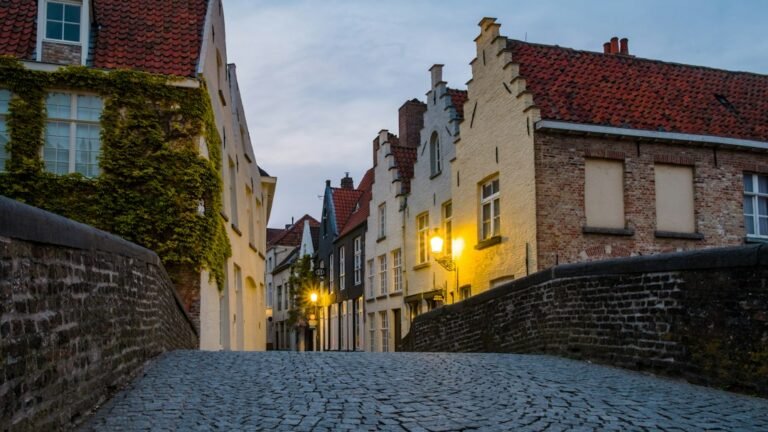
How to Write a Fantasy Festival Scene With Conflict and Joy
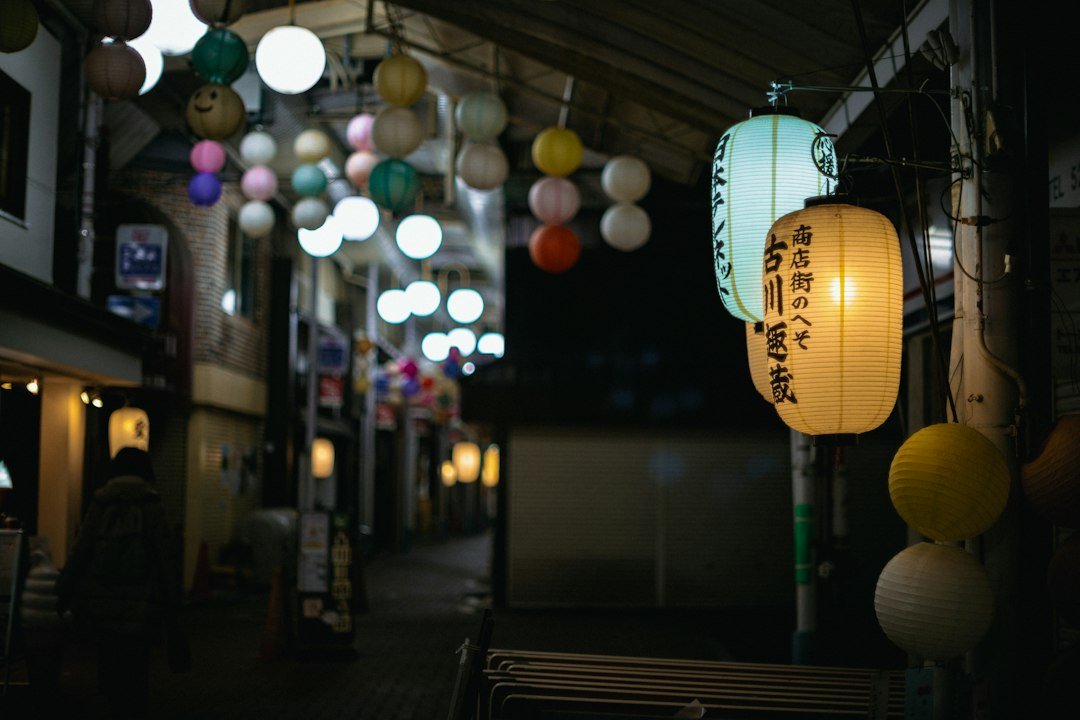
A festival is an inviting place to set a fantasy chapter. Lanterns flicker, musicians gather, unfamiliar foods appear, and the town briefly changes its routine. But if nothing happens except a tour of costumes and stalls, the chapter can feel like a travel brochure. To write a fantasy festival scene that matters, give your protagonist a goal that only this celebration can complicate.
Our guide to fantasy seasonal festivals helps you invent the holiday. This article focuses on scene structure: what a character wants, how tradition changes their options, and what the reader learns by the end.
Start with the celebration’s real purpose
What is the community actually observing? The end of a difficult harvest, the reopening of a mountain pass, a day of remembrance, or a yearly agreement between rival neighborhoods? The answer should influence who attends and what behavior people expect.
A harvest rite might involve sharing stored food rather than elaborate costumes. A memorial may feel warm and hopeful to locals even if it puzzles an outsider. Tradition gives characters a public set of rules to follow, challenge, or misunderstand.
Give the protagonist a private objective
Your viewpoint character needs a reason to act: return a borrowed token, apologize to a sibling, identify the author of an unsigned note, or stop a council vote. A simple emotional goal can be stronger than a grand danger when the rest of the chapter emphasizes community.
Choose a goal that intersects with the festival’s rituals. A character who wants to keep a secret may face a tradition of speaking openly. Someone who wants to leave may be asked to light the final lantern.
Let social rules generate friction
The conflict does not need to be a monster attack. Two families may disagree over who leads the procession, a visiting merchant may misunderstand a gift custom, or a protagonist may owe a dance to someone they have avoided for years.
Use the rules of the celebration fairly. If your festival establishes that every household leaves an empty seat for absent travelers, that empty seat should matter when an unexpected guest arrives.
Use sensory details as choices
One burned cake, a wet banner, or the smell of lantern oil can reveal more than a dozen generic adjectives. Show which details the protagonist notices and why. A musician recognizes that one drum is out of rhythm; a hungry traveler watches the bread table; a grieving parent avoids the bell tower.
Connect the setting to action. A narrow street can delay a messenger; a crowd can protect a private conversation or make confidentiality impossible.
Before and after: the Lantern Crossing
Flat version: “The town celebrated its autumn festival with singing, glowing lanterns, and delicious food. Nera walked among smiling villagers and admired the decorations.” It describes a mood but gives the scene no motion.
Stronger version: “Nera had promised to return her mother’s lantern before the last ferry. At the quay, the lamp keeper held out his hand for it, but her younger brother had tied a black ribbon to the handle—the town’s sign for someone who would not be returning next spring. Across the river, their father was waiting. The festival bell rang once. Nera could untie the ribbon or let him see it.”
The revised scene uses a specific ritual and forces a choice. It can remain quiet and emotionally warm while carrying real stakes.
Run a festival scene in four beats
- Arrival: establish the festival’s purpose and the viewpoint character’s goal.
- Obstacle: a ritual, social expectation, or timing conflict complicates the plan.
- Decision: the character must accept a cost, tell the truth, or change their intention.
- Aftermath: the celebration continues, but one relationship or belief has changed.
Remember that the festival is not obliged to end when the protagonist’s scene does. The world retains its own life beyond the viewpoint.
Let joy coexist with disagreement
Characters can argue at a celebration without turning the entire event grim. The community might be resilient, imperfect, and capable of welcoming someone back after a difficult conversation. An unresolved dispute may even make the shared meal more meaningful.
Avoid treating a disaster as the only way to inject drama. Smaller stakes can produce a stronger chapter when they matter personally.
Build a distinctive festival economy
Who prepares the food, repairs the lights, provides transport, and cleans up? The festival relies on workers whose responsibilities do not vanish because a prince arrives. For a practical event-focused look at these people, see our fantasy festival games and contests guide and the harvest-traditions examples.
Revision checklist
- What does the holiday mean to local residents?
- What does the viewpoint character want?
- Which tradition complicates that goal?
- Which two specific sensory details affect the action?
- What decision changes a relationship?
- Could the scene take place unchanged in a generic marketplace? If so, use the festival more deeply.
The strongest festival scenes are both a celebration and a turning point. Let the tradition create a choice that only this place and its people could produce.