Fantasy Books Without War: 4 Smaller-Stakes Reads
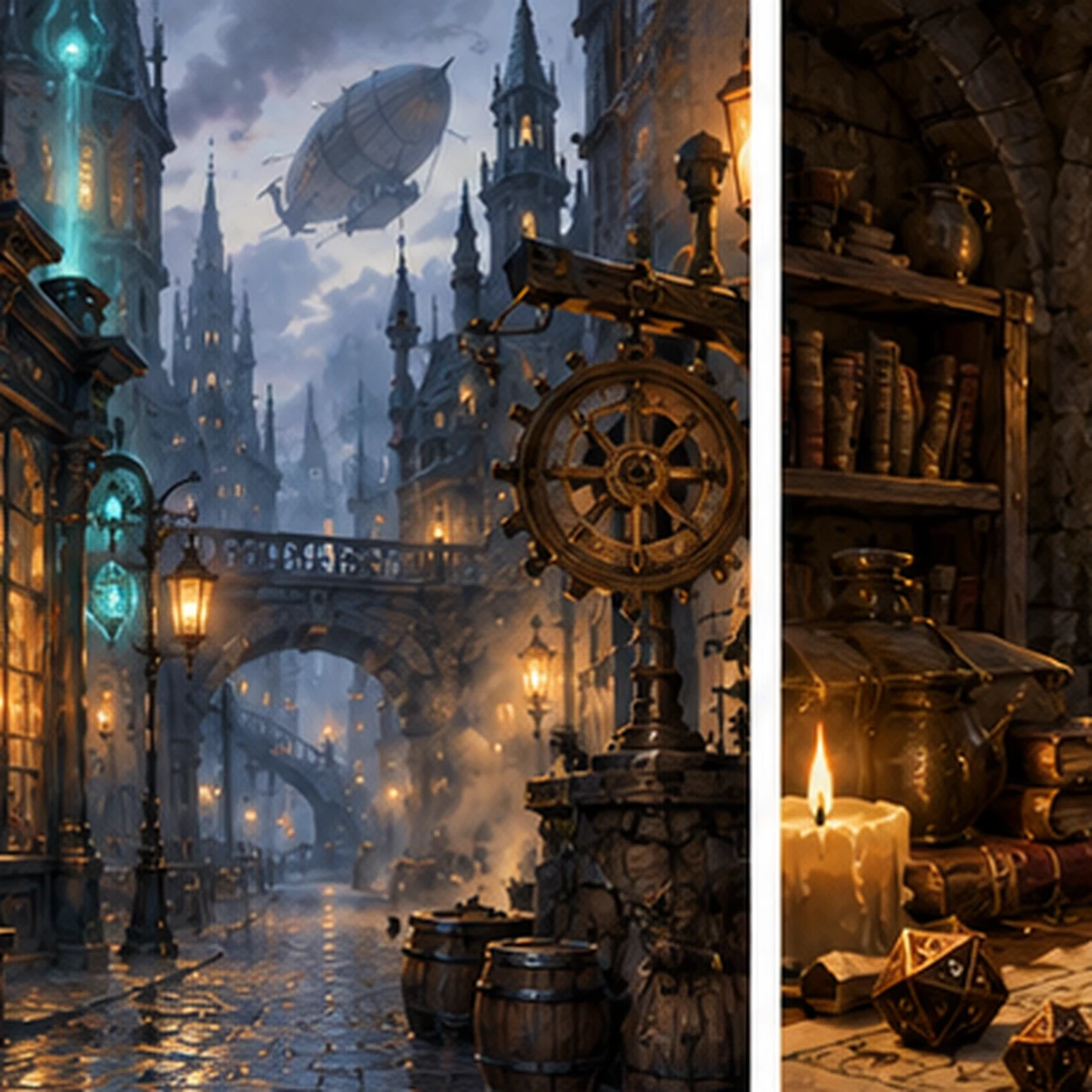
Many readers love secondary worlds, strange magic, old cities, and impossible creatures but get tired of stories that eventually become campaigns, sieges, and continent-sized wars. That is why searches for fantasy books without war are so useful: they describe a reading mood more clearly than many genre labels do.
The challenge is that fantasy without war is not one tidy shelf. It appears across cozy fantasy, court fantasy, mystery, quest stories, literary fantasy, magical academia, and character-driven secondary-world fiction. The trick is learning which signals usually point toward smaller stakes.
Four fantasy books without a war-driven main plot
These books still include conflict, danger, or grief; they simply focus on something other than armies conquering kingdoms. Choose by the kind of smaller-scale story you enjoy.
- Legends & Lattes — Travis Baldree: an orc veteran tries to build a new life and a coffee shop. Best for: comfortable routines and found family; expect business problems and traces of an adventuring past, not military campaigns. Publisher synopsis.
- The Goblin Emperor — Katherine Addison: an unexpectedly crowned ruler must navigate political relationships and attempts to manipulate him. Best for: governance, diplomacy, and kindness in a tense court. Content note: assassination and political peril, despite the absence of a central battlefield campaign. Publisher synopsis.
- The Witness for the Dead — Katherine Addison: a cleric who can learn from the recently dead investigates disputes and murder among ordinary city residents. Best for: intimate mystery and local injustice. Content note: death and grief make it darker than the gentlest cozy reads. Publisher synopsis.
- Emily Wilde’s Encyclopaedia of Faeries — Heather Fawcett: a scholar investigates faerie lore in a remote village. Best for: research, folklore, and a lively academic adventure. Content note: romantic tension and dangerous faerie encounters are part of the appeal. Publisher synopsis.
Choose quickly: for the calmest entry pick Legends & Lattes; for thoughtful politics, The Goblin Emperor; for a mystery, The Witness for the Dead; for folklore and research, Emily Wilde. If you also want no prophecy-driven hero, see our fantasy without a chosen one recommendations.
Look for stories built around a local problem
A novel can feel fully immersive without putting a kingdom at risk. Local problems often create stronger clues that the story will stay close to the characters: saving a business, repairing a community, solving a disappearance, protecting a family secret, restoring a ruined place, or navigating a difficult institution.
These stories can still have tension. Smaller stakes do not mean nothing matters. They simply make the consequences more personal and easier to imagine.
Search by story shape, not only genre
Broad searches such as epic fantasy often return books where warfare is central. More specific phrases work better. Try looking for fantasy centered on a mystery, a journey, a craft, a court, a school, a shop, a household, or a community.
If what you really want is a story that avoids a destiny-driven war narrative, our guide to fantasy books without a chosen one explores another useful way to narrow the field.
Cozy fantasy is one answer, but not the only one
Cozy fantasy is an obvious place to look because it often focuses on belonging, work, friendship, food, rebuilding, and everyday problems. But readers who want fantasy books without war do not necessarily want low tension or a comforting tone.
You can also find war-free fantasy that is eerie, political, mysterious, melancholy, or adventurous. The key distinction is scale, not softness.
That is also why the difference between cozy fantasy and adjacent traditions matters. If you are sorting out those labels, see hopepunk fantasy vs cozy fantasy.
Pay attention to review language
Reader reviews often reveal the real shape of a book more clearly than the publisher description. Phrases such as character-driven, slice of life, intimate stakes, found family, slow-burn mystery, domestic fantasy, court intrigue, workplace fantasy, and community-focused are useful signals.
On the other hand, terms such as sweeping conflict, armies, rebellion, military campaign, battle for the throne, invasion, and war-torn usually indicate that large-scale conflict is important even if the opening chapters seem quiet.
Political fantasy does not always mean war
Court politics can stay intensely focused on negotiation, reputation, succession, bureaucracy, or relationships. A book about a ruler trying to hold a government together may be more interested in conversation and compromise than battle.
If political fantasy is appealing but battlefield fantasy is not, look for descriptions that emphasize governance, diplomacy, investigation, inheritance, or administration rather than conquest.
A library, archive, or secret collection can give a low-war fantasy a distinctive mystery. Our fantasy books about libraries reading guide helps readers distinguish cozy collections from dangerous-knowledge stories.
Mystery is an especially useful crossover
Fantasy mysteries naturally keep the plot centered on questions instead of armies. A magical crime, missing person, forbidden archive, strange curse, or disputed history can support a large world while keeping the immediate plot contained.
The same is true of exploration stories where the goal is discovery rather than victory over an enemy. A dangerous place can create urgency without turning the story into a war narrative.
Try fantasy about work and craft
One of the clearest recent shifts in fantasy is the growing interest in protagonists who build, repair, study, cook, heal, research, manage, or create. These occupations naturally generate plots about competence, community, and daily life.
A character running an inn or rebuilding a library has different problems from a general commanding an army. That difference in occupation often changes the entire scale of the book.
For readers who enjoy plots about rebuilding a shop, inn, or other shared undertaking, cozy fantasy with found family and a shared project offers another useful way to narrow the search. As always, check the individual book’s stakes and tone.
Do not confuse no war with no conflict
The best smaller-stakes fantasy still gives characters difficult choices. A friendship can fracture. A secret can change a family. A business can fail. A magical discovery can threaten someone’s future. A political decision can reshape a city.
The absence of war can actually make those consequences feel more immediate because the story has room to stay close to them.
A practical search formula
When looking for fantasy books without war, combine one setting word with one story-shape word and one tone word. For example:
- secondary-world fantasy + mystery + character-driven;
- fantasy court + diplomacy + low combat;
- cozy fantasy + community + no romance;
- fantasy school + investigation + adult protagonist;
- fantasy journey + exploration + no war.
Specific combinations are far more likely to surface books that match your actual mood than a giant best-fantasy list.
Fantasy can feel large without becoming a war story
A world does not need an army on every horizon to feel deep. Customs, cities, trades, religions, magical rules, food, family structures, and old rivalries can create just as much scale.
For readers who love fantasy but are tired of battlefield stakes, that is the useful distinction: look for books where the world is big, but the problem remains human-sized.

One Comment