Fantasy Books Without a Chosen One: Other Story Shapes
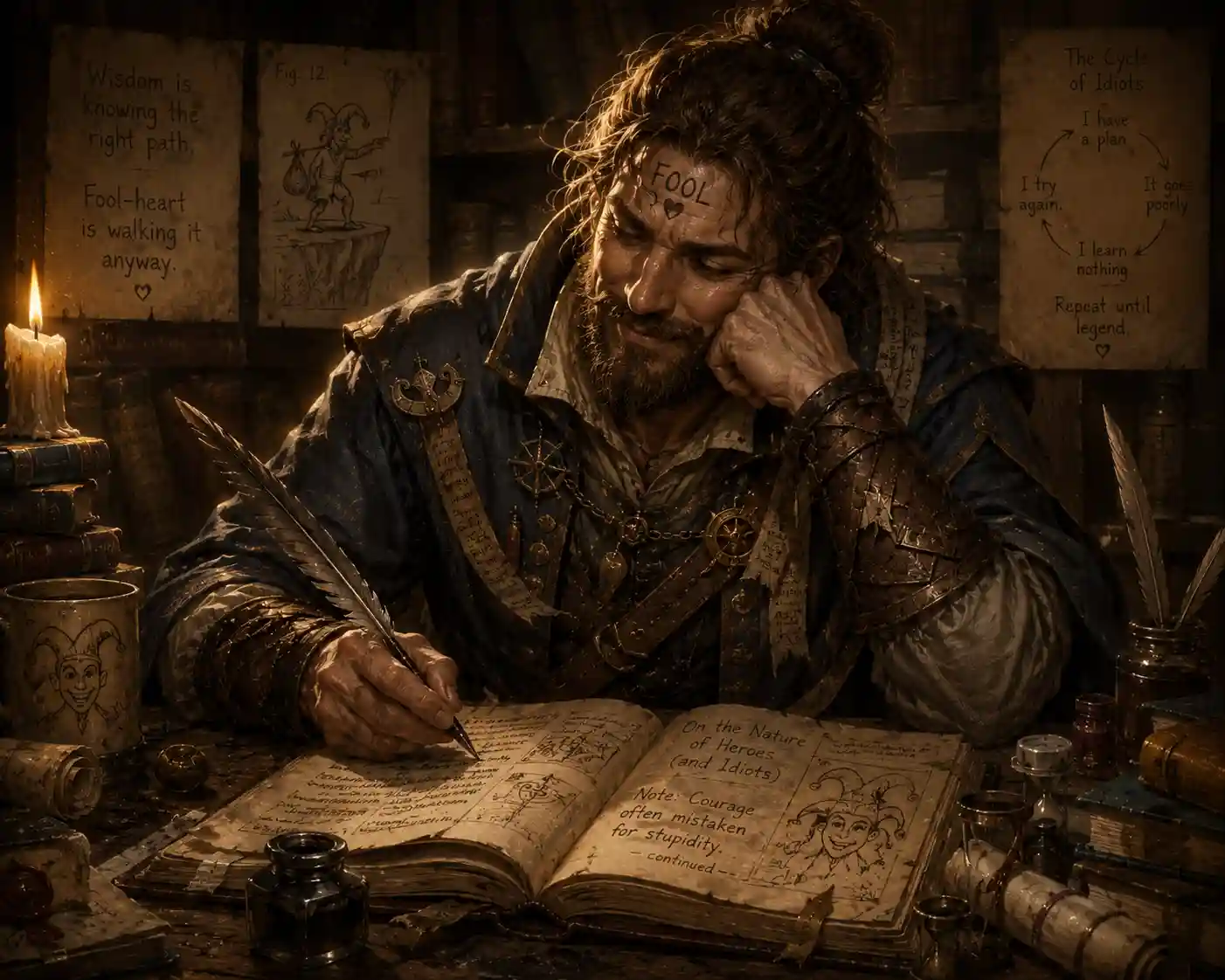
The chosen one is one of fantasy’s most recognizable story shapes: a person is singled out by prophecy, bloodline, destiny, or unique power and becomes central to a much larger conflict. It can work beautifully, but it is not the only way to build a fantasy story.
If you are looking for fantasy books without a chosen one, it helps to search for the story shape you want instead of only searching for the trope you want to avoid. Fantasy has plenty of room for heroes who are important because of what they do, not because the universe selected them in advance.
Look for competence stories
Competence-driven fantasy centers on someone who becomes important because they are good at a particular job. The protagonist might be a healer, translator, guard, investigator, merchant, craftsperson, scholar, or experienced adventurer.
The satisfaction comes from watching skill meet a difficult problem. The character may still be unusual, but their usefulness is earned through knowledge, practice, and judgment rather than prophecy.
Search for ordinary-person fantasy
Some stories deliberately begin with protagonists who are not secretly royal, magically unique, or cosmically significant. They may be caught in events larger than themselves and become important through persistence and relationships.
Useful search phrases include “ordinary protagonist fantasy,” “fantasy without prophecy,” “non-chosen-one fantasy,” and “fantasy about ordinary people.” Combining one of those with another preference—mystery, cozy, epic, political, or low magic—often produces better recommendations.
Ensemble fantasy spreads importance across a group
An ensemble story can be a good alternative when you are tired of one character becoming the gravitational center of the world. Several characters may hold different pieces of the problem, and no single person can resolve it alone.
Look for descriptions that emphasize a crew, household, company, council, expedition, or group of unlikely allies rather than a lone destined hero.
Investigation creates importance through knowledge
Fantasy mysteries and investigative stories often give protagonists significance because they notice something other people missed. The character does not need to be foretold. They need curiosity, access, patience, or a reason to keep asking questions.
This story shape is especially satisfying if you enjoy protagonists who earn progress by interpreting evidence instead of unlocking greater power.
Duty can replace destiny
A character may be central because they accepted a responsibility. A guard keeps a promise. A minor official refuses to ignore corruption. A ferryman agrees to carry someone across dangerous territory. A scholar protects a student.
Duty-driven stories can still feel mythic. The difference is that the commitment comes from the character’s values rather than a prophecy declaring that only they can act.
Community stories ask who can build something together
Cozy fantasy and community-centered fantasy frequently step away from chosen-one structures. The protagonist may be trying to restore a shop, save a neighborhood institution, build a home, or create a place where people belong.
If that sounds appealing, the Kobold’s Rest guide to cozy fantasy without romance explores ways to find stories centered on friendship, craft, and community rather than courtship.
Political fantasy can make importance conditional
In political fantasy, a protagonist’s influence may depend on alliances, reputation, office, information, or social position. They can gain and lose power. Other people can replace them. Their decisions matter because institutions respond, not because fate bends around them.
This can make the world feel larger than the hero. Events continue even when the protagonist is not present.
Survival stories make circumstance the inciting force
Sometimes a character becomes important simply because they were there when something went wrong. A disaster, expedition, siege, magical accident, or dangerous journey forces ordinary people to act.
These stories can still transform the protagonist, but the transformation begins with circumstance rather than destiny.
Search for adult responsibilities
Stories about established adults often move away from classic chosen-one structures because the protagonist already has a life before the adventure begins. They may have a career, family, reputation, or obligations that compete with the plot.
For more search ideas in that direction, see how to find fantasy books with middle-aged protagonists.
Watch for chosen-one language in blurbs
If you are actively avoiding the trope, certain phrases can signal it: “the only one who can,” “ancient prophecy,” “hidden bloodline,” “destined to,” or “power unseen for generations.” Those phrases do not guarantee a conventional chosen-one story, but they are useful clues.
Conversely, blurbs focused on jobs, obligations, investigations, communities, expeditions, and difficult choices often point toward other structures.
The alternative is agency
What many readers want when they say “no chosen one” is not necessarily smaller stakes. They want significance to emerge from decisions.
A protagonist can still save a city, change a kingdom, or confront enormous magic. The difference is that nobody promised they would. They become important because they keep showing up, learn what matters, choose allies, make mistakes, and accept responsibility.
That is one of fantasy’s most flexible pleasures: the world does not have to choose the hero first. Sometimes the hero chooses the world.

2 Comments