D&D Campaign Recap Example: A Downtime Session That Matters
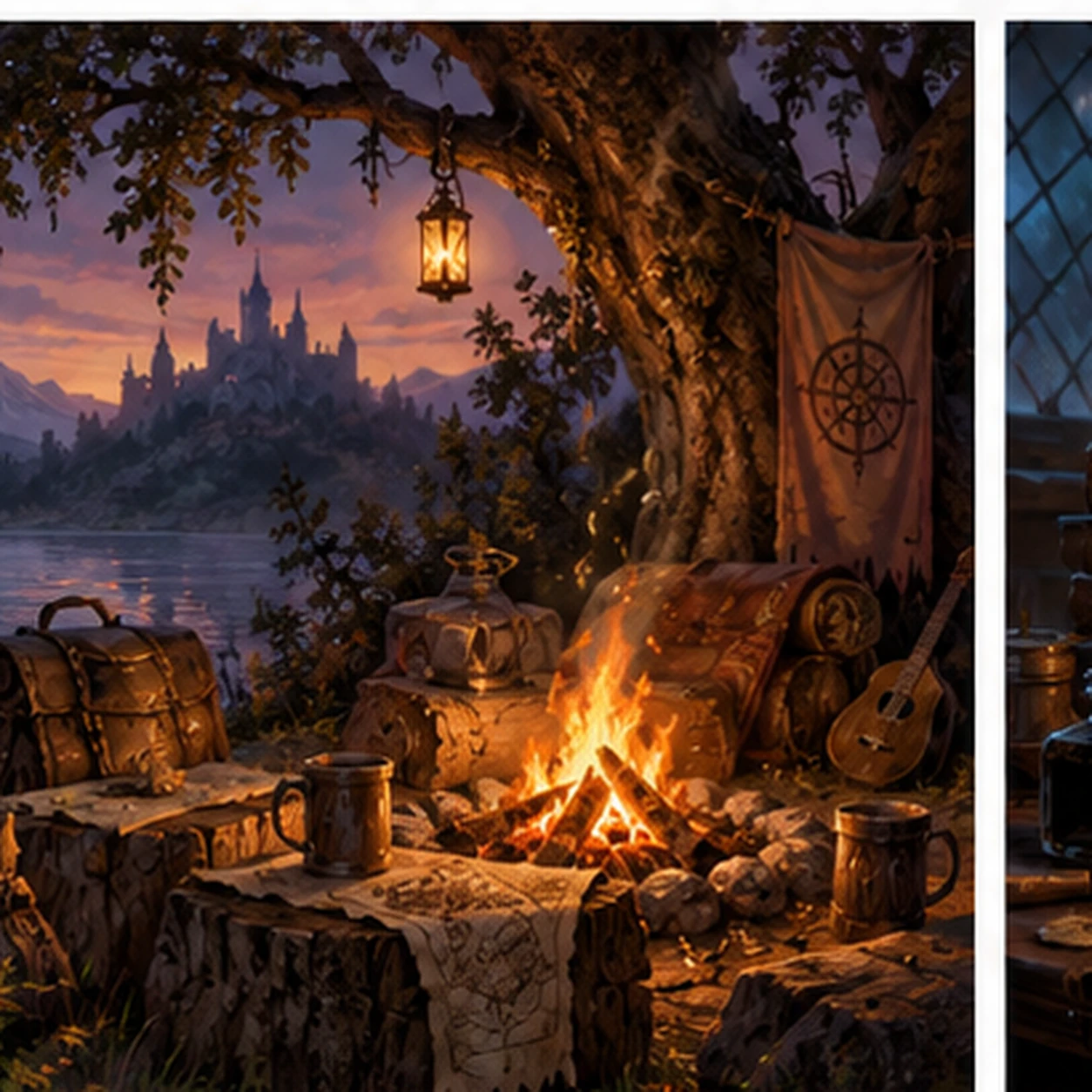
Downtime sessions can look uneventful in notes. Nobody explores a dungeon. There may be no major fight, chase, or dramatic reveal. Characters shop, research, visit people, train, repair equipment, and deal with unfinished business. Yet those sessions often contain the choices that determine what the next adventure means.
This D&D campaign recap example for a downtime session continues The Lanterns of Blackfen. The goal is to show how to record quiet activity by focusing on what changed, what was promised, and which relationships moved.
Previously in Blackfen
The party discovered a hidden bell network tied to the missing lanterns and found names and dates beneath a reed warehouse. In the mystery-session recap, they followed the tunnel back toward town and heard Mara Vell’s lullaby above a locked trapdoor.
The next session answered that immediate question quickly. The trapdoor opened into an unused storage room beneath Mara’s house, but Mara herself was not involved. Someone had been using an old speaking tube in the wall to carry sound from the room above.
After that discovery, the party chose not to rush deeper into the mystery. They took two days in town to recover, investigate, and prepare.
Day One: everyone chooses a different priority
Nessa went to the records office to research the three unfamiliar names from the tunnel wall. Taren helped Mara repair a broken rear door after the party’s search disturbed the frame. Corren visited the ferry landing to learn who still traveled into the deep marsh. Lio spent the morning copying the bell fittings into his notebook and comparing them with older town symbols.
Nothing here looks dramatic by itself. The recap becomes useful when each activity is connected to a result.
Research result: one name belongs to a dead company
Nessa found that one unfamiliar name was not a person. “Harrow Fen” had been the registered name of a dredging vessel owned by Vey & Sons.
The vessel supposedly sank eleven years ago.
The date beside its name on the tunnel wall was only three weeks old.
Change: the party now suspects the hidden network may track vessels as well as people.
Relationship result: Mara offers the party a key
While repairing the door, Taren admitted that the party had searched beneath Mara’s house. He expected anger. Instead, Mara revealed that the room once belonged to her husband, who worked for Vey & Sons before disappearing years earlier.
She gave Taren an old iron key that her husband had told her never to surrender to the company.
Change: Mara now trusts the party with something personally important, and the key becomes a new unresolved object.
Contact result: the ferryman remembers a night passenger
Corren learned that an old ferryman named Pell had taken a passenger north on the night Mara’s son disappeared. Pell would not give the passenger’s name, but he remembered one detail: the passenger carried a brass case that rang faintly whenever the boat struck a wave.
Change: the party has a new witness and a possible connection to the hidden bells.
Lore result: the lantern emblem is older than the town
Lio discovered that the causeway lantern symbol was not originally a civic mark. It appeared on survey maps from before Blackfen was formally founded.
The oldest map labeled the symbol “safe sounding.”
Change: the bell-and-lantern system may have begun as a navigation network rather than a criminal one.
Day Two: preparation creates choices
The party compared what they had learned and faced three possible leads: question the ferryman again, search records for the sunken Harrow Fen, or test Mara’s iron key on the locked cabinets found beneath the reed warehouse.
Instead of following all three immediately, they decided to prepare for a trip into the deep marsh. That meant spending money, asking favors, and deciding who to trust with their plans.
A small purchase with a large consequence
The party bought marsh lantern oil from the only merchant who stocked it in quantity. The merchant casually mentioned that Warden Marr had purchased six tins the previous week.
The players immediately realized that their shopping trip had produced another clue.
Downtime works best when the world remains responsive. Ordinary actions can intersect with existing problems.
The promise that closes the session
Before leaving town, the party returned to Mara. Taren promised they would look for her son in the deep marsh before pursuing the larger mystery any farther.
Nessa did not like making the promise. She agreed anyway.
The session ended with the group loading supplies into Pell’s old ferry boat at dawn while the warden watched from the far end of the dock.
What the downtime recap should record
- New fact: Harrow Fen is the name of a vessel believed sunk eleven years ago.
- New object: Mara gave the party an iron key connected to her missing husband.
- New witness: Pell carried a mysterious passenger the night Mara’s son vanished.
- Reframed clue: the lantern symbol once marked safe navigation.
- New suspicion: Warden Marr recently bought marsh lantern oil.
- Promise: search for Mara’s son before chasing other leads.
- Next move: travel into the deep marsh.
Downtime is where campaigns accumulate weight
A useful downtime recap does not list every purchase or training roll. It records changes. Who learned something? Who became closer? What promise was made? What resource was spent? Which ordinary action unexpectedly touched the main plot?
For more ideas about using quieter sessions intentionally, see TTRPG downtime roleplay ideas that reveal character.
Downtime matters when it changes what the party carries into the next adventure: information, obligations, relationships, and choices. Record those, and the quiet session will be easy to remember for the right reasons.

One Comment