Gaslamp Fantasy vs. Steampunk: A Reader’s Guide to the Difference
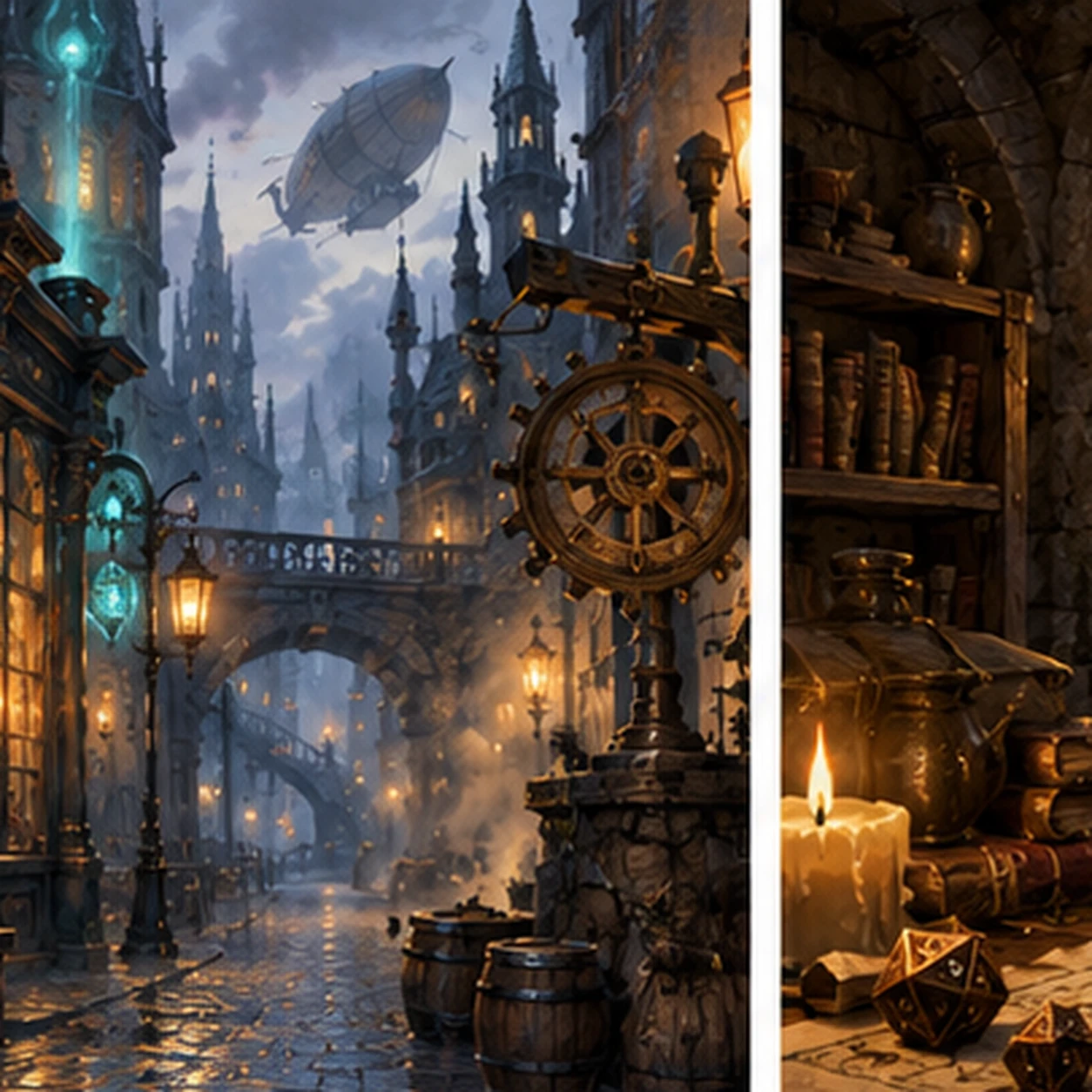
Gaslamp fantasy and steampunk often look like close cousins. Both can feature nineteenth-century-inspired cities, elaborate clothing, foggy streets, eccentric inventors, strange societies, and technology that feels older than our own. That shared aesthetic is exactly why the two labels are so easy to mix up.
The simplest distinction is this: gaslamp fantasy usually puts magic, the supernatural, or the uncanny at the center, while steampunk usually puts speculative technology and invention at the center. The border is fuzzy, and plenty of stories blend both.
What Is Gaslamp Fantasy?
Gaslamp fantasy is a branch of fantasy that borrows heavily from the atmosphere of the nineteenth century. You will often find gaslit streets, rigid social rules, old mansions, occult societies, ghosts, fae, curses, strange magic, and mysteries that feel at home beside Gothic fiction.
The historical inspiration does not have to be perfectly Victorian, and it does not have to be set in real-world Britain. A secondary fantasy world can still feel gaslamp if its culture, cities, technology, and social atmosphere echo the era.
For readers, the important question is usually not “Does this book contain a steam engine?” but “What drives the wonder?” If magic, spirits, curses, or supernatural mysteries dominate the story, the gaslamp label is often a useful fit.
What Is Steampunk?
Steampunk also draws from nineteenth-century aesthetics, but its imaginative engine is usually technology. Steam power, mechanical devices, airships, clockwork machines, strange industrial inventions, and alternate technological histories are common ingredients.
That does not mean steampunk cannot contain magic. It can. The difference is one of emphasis. A story can include ghosts and still feel primarily steampunk if its central fascination is invention, engineering, industrial power, or a world reshaped by unusual machines.
Gaslamp Fantasy vs. Steampunk at a Glance
| Element | Gaslamp Fantasy | Steampunk |
|---|---|---|
| Main source of wonder | Magic, supernatural forces, occult mysteries | Technology, invention, alternate engineering |
| Common mood | Gothic, mysterious, romantic, uncanny | Adventurous, industrial, inventive, retrofuturist |
| Typical imagery | Gaslights, séances, old estates, hidden societies | Gears, boilers, airships, mechanical devices |
| Can they overlap? | Yes | Yes |
The Easiest Test: Remove the Machines
When you are unsure how to describe a book, try a simple thought experiment: if you removed the unusual technology, would the story still feel fundamentally the same?
If the answer is yes because the real heart of the story is ghosts, sorcery, supernatural politics, or magical mystery, gaslamp fantasy may be the more useful label.
If removing the machines would collapse the setting, conflict, or plot, steampunk is probably doing more of the work.
This test is not a rule. Genre labels exist to help readers find stories, not to trap books inside tiny boxes. But it is a surprisingly useful shortcut.
Where Gothic Fantasy Fits
Gaslamp fantasy often overlaps with Gothic fantasy because both enjoy old architecture, secrets, social pressure, eerie settings, and supernatural uncertainty. A haunted townhouse in a rigidly mannered city could easily feel both Gothic and gaslamp.
The difference is that Gothic fantasy is more about mood, fear, decay, obsession, or the uncanny, while gaslamp fantasy also carries a recognizable historical or pseudo-historical social texture.
Where Fantasy of Manners Fits
Another frequent neighbor is fantasy of manners: stories where etiquette, status, conversation, reputation, and social rules matter as much as magic.
This is one reason gaslamp fantasy can feel so distinctive. A magical problem is not always solved by casting a spell. Sometimes the real obstacle is that the heroine cannot accuse a duke at dinner without destroying three alliances and scandalizing an aunt.
If you write this kind of setting, believable speech matters too. The goal is not to force every character into fake Shakespeare. A consistent social register works better, which is the same approach explored in how to write fantasy dialogue that sounds old without sounding fake.
Books Often Discussed Around Gaslamp Fantasy
Readers commonly discuss titles such as Jonathan Strange & Mr Norrell, Soulless, and other historically inspired fantasies when talking about gaslamp fiction. Classification can vary by reader because many books mix Gothic fantasy, historical fantasy, steampunk, romance, mystery, and fantasy of manners.
That disagreement is not a problem. It is actually useful. If a book sits between gaslamp and steampunk, that tells you it may contain both supernatural and technological wonder.
For a broader library-oriented introduction, the Seattle Public Library’s gaslamp fantasy overview is a useful starting point.
Which One Should You Read?
Choose gaslamp fantasy when you want haunted streets, magical societies, strange rituals, hidden fae bargains, occult detectives, or supernatural mysteries wrapped in period atmosphere.
Choose steampunk when you want impossible machines, alternative industrial history, airships, clockwork inventions, or a setting fascinated by what old technology might have become if history had taken another path.
And if you want both, good news: the border between the genres has always been porous.
The Short Version
Gaslamp fantasy vs. steampunk comes down mostly to emphasis. Gaslamp fantasy leans toward magic and the supernatural. Steampunk leans toward invention and alternate technology. Both can share the same visual world, and both can borrow freely from each other.
Once you stop judging the genre by goggles and gaslights alone, the difference becomes much easier to see.

2 Comments