How to Run a TTRPG Chase Without a Battle Map
Run a fast TTRPG chase without a battle map using zones, a simple progress track, clear finish conditions, and meaningful choices every round.
Game master advice for session prep, encounters, NPCs, pacing, improvisation, campaign planning, and running memorable tabletop RPG adventures.
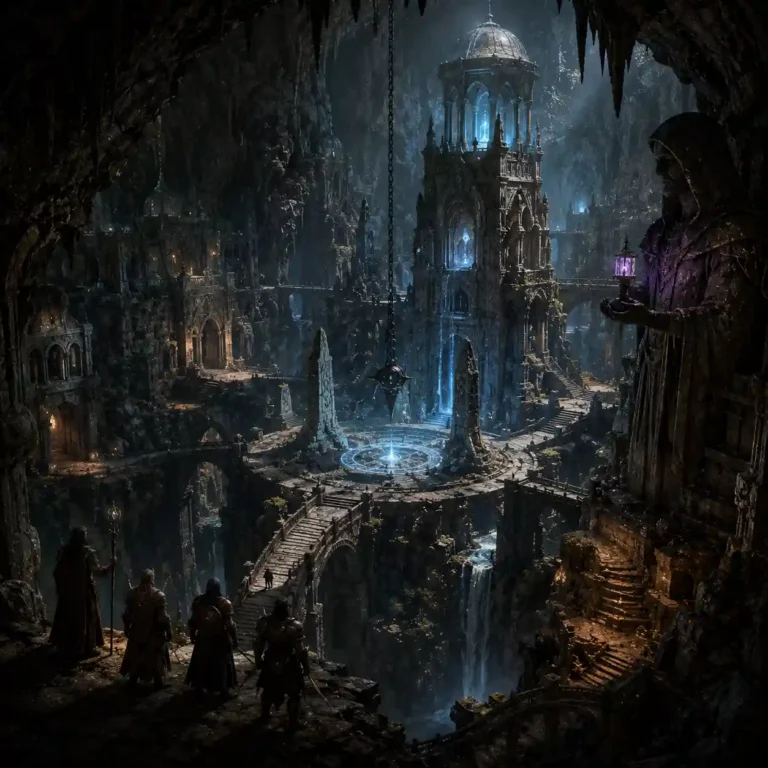
Run a fast TTRPG chase without a battle map using zones, a simple progress track, clear finish conditions, and meaningful choices every round.
Should players know enemy HP? Compare exact numbers, descriptive condition cues, and hybrid approaches for clearer TTRPG decisions.
Introduce a TTRPG villain without forcing a fight by using consequences, witnesses, leverage, recurring symbols, and choices the players can actually make.

A practical way to run a TTRPG shopping session quickly: decide what deserves roleplay, compress routine purchases, and turn the rest into useful character moments.
Run better TTRPG mysteries by giving clues redundancy, separating facts from conclusions, and letting failed rolls complicate investigation instead of stopping it.
Learn how to create natural TTRPG session cliffhangers by ending on decisions, reveals, arrivals, and unanswered consequences instead of forcing artificial twists.
You do not need accents or acting skills to make memorable TTRPG NPCs. Use clear wants, recognizable habits, relationships, and consequences players can interact with.
A practical guide to running a split party in a TTRPG without losing pacing, attention, or player agency. Learn when to cut scenes, share spotlight, and reunite the group naturally.
Foreshadow TTRPG twists with flexible clues, repeated details, and visible consequences so reveals feel earned without becoming obvious too early.
Use TTRPG faction clocks to track rival goals, create visible consequences, and make the campaign world feel active without adding piles of prep.