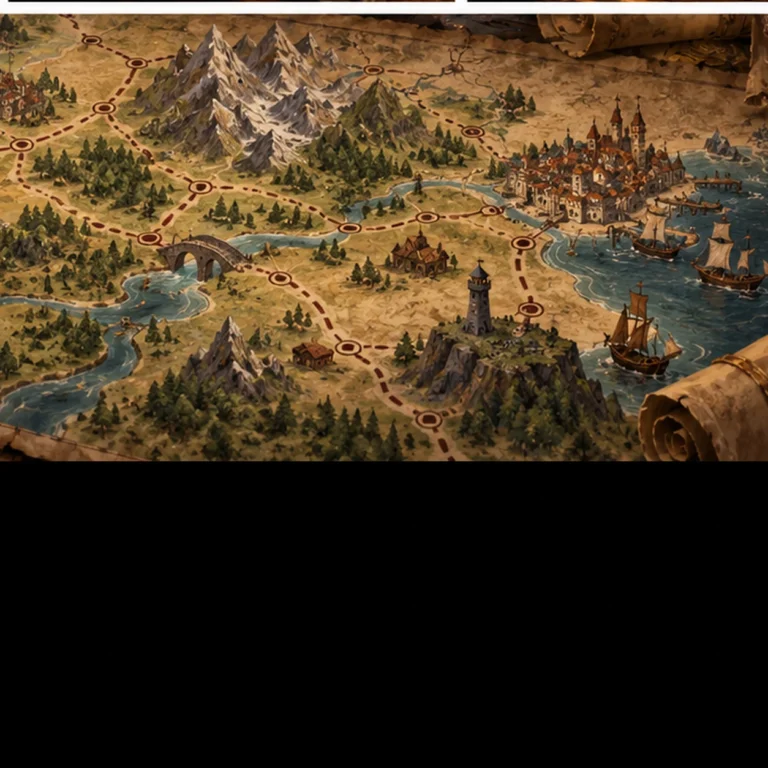
Fantasy City Rain Gutters: Drains, Floods, and Repairs
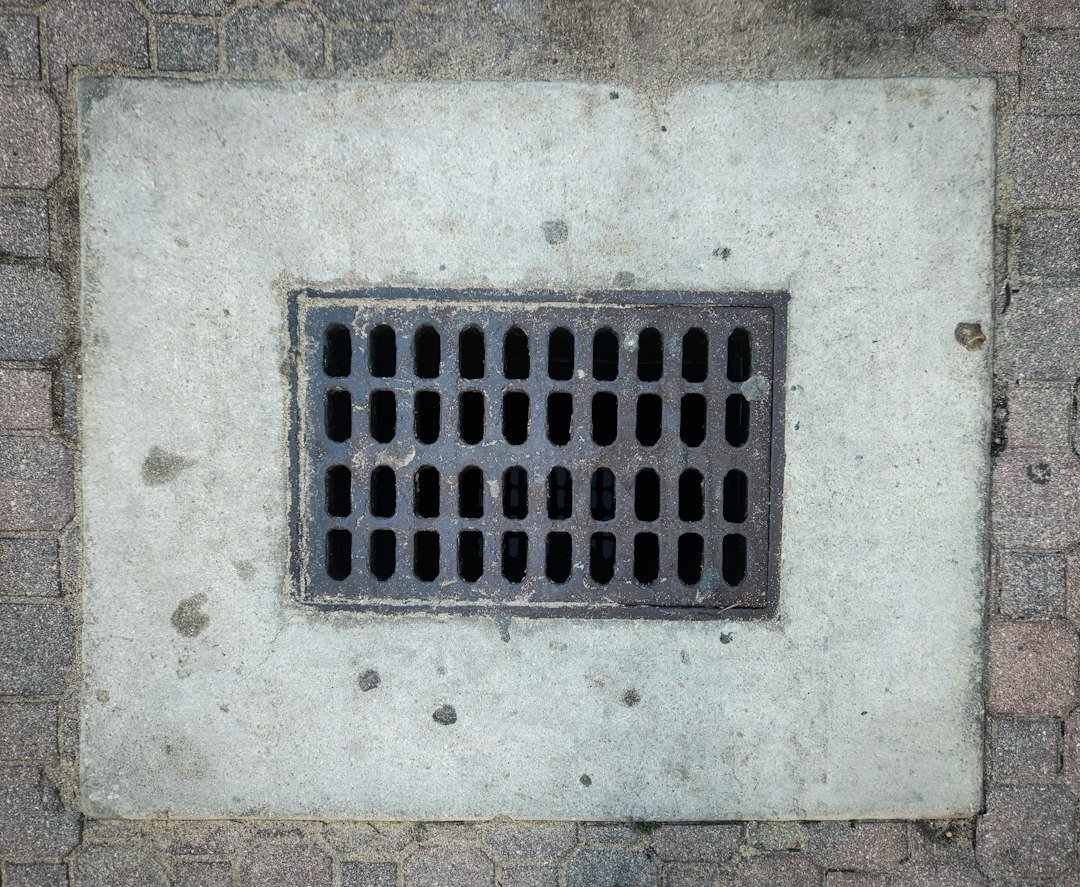
Fantasy city rain gutters are easy to miss when drawing a dramatic skyline. Yet every downpour must go somewhere. Water runs off roofs, crosses courtyards, collects in streets, and eventually reaches a ditch, stream, soakaway, or canal. If one drain blocks, shops may flood even when the city has an impressive aqueduct. This guide follows one drop of rain through a believable fantasy district.
Begin on the roof
Does rain spill from the eaves into the lane, enter a gutter, or fill a storage cistern? Roof pitch, material, and building height matter. A steep roof may shed water quickly but deposit it where pedestrians stand. In a dense city, neighboring roofs may empty into shared courtyards. If residents collect rain for later use, a damaged channel becomes both a drainage problem and a supply problem. Choose a simple arrangement before adding elaborate underground tunnels.
Understand open street gutters
A fantasy city does not need a modern sewer. Historically, some urban streets used visible channels carrying runoff and other water; the Map of Early Modern London project describes channels in the center of narrow streets or along the sides of wider ones. Your setting can use similar forms without borrowing every historical sanitation practice. Make their destination clear on the map: a low gate, drainage pond, or river outlet. Rainwater and sewage are not interchangeable; decide whether they share a route.
Trace a practical rainwater route
Take a warehouse on a hill. Rain strikes its tiled roof, enters a stone trough, drops beside a loading door, flows into a street channel, and reaches the market’s lower drain. A grate stops large rubbish but also collects leaves. During a storm, the low market floods first. That sequence gives the author five useful places where somebody could intervene. When an incident happens, readers can follow the water rather than being told that the city suddenly flooded for plot reasons.
Assign the maintenance jobs
Workers inspect channels, clear debris, repair broken stone, and check whether an outlet has become blocked by silt. The person who owns a roof may maintain its gutter, while the city maintains the public street channel. Boundary disputes become common when a private roof drains onto a neighbor’s lane. Our fantasy street repairs guide explores how crews, materials, and budgets shape those decisions. Good infrastructure writing needs responsibilities as much as it needs structures.
Worked example: Floodstep Lane
Floodstep Lane sits below a row of dye workshops. The council resurfaced it last month, but heavy rain now gathers outside the baker’s door. The paving crew says it built to specification. The drainage keeper finds that a workshop recently redirected roof water into the wrong gutter. The workshop owner argues that their old drain was closed by the council’s project. Both claims may be true. Characters can examine plans, test water flow during rainfall, and negotiate a repair that does not simply move the flood to another street.
Make rainfall visible before disaster strikes
Show residents using stepping stones during ordinary weather, workers sweeping leaves from a narrow grille, and children knowing which crossing turns slippery first. These signs establish how the network behaves when no plot is happening. Later, a bigger storm feels like pressure on a familiar system. You can also place marks on a wall showing past flood heights. They let characters compare the current flood with local memory instead of relying only on a narrator’s warning.
Give a storm useful constraints
The fastest repair may involve lifting stones and closing a cart route. A temporary barrier could redirect water toward a vegetable market. Repair materials might be stored across a closed bridge. These are practical complications; they do not require the weather to become apocalyptic. The fantasy city water supply guide helps separate clean water distribution from the problem of moving runoff away.
Four low-stakes drainage hooks
- A gutter map from the old city disagrees with the actual channel beneath a newly repaired road.
- A tenant’s cellar floods every spring, but the landlord says the building sits above the drainage line.
- The city needs volunteers to clear leaves before the annual market festival.
- A communal cistern overflows because the roof-to-tank bypass was never finished.
Each hook should include a resident with something to protect, a physical obstacle, and at least two solutions. You can build an investigative session around following water from one location to another, as long as every clue is observable to the players.
Copyable drainage worksheet
- Roof surfaces and outlets: ___
- Street slope: ___
- Visible gutters and crossings: ___
- Final water destination: ___
- Who cleans channels: ___
- Who pays for repairs: ___
- First place to flood: ___
- Temporary workaround: ___
Do fantasy cities need underground sewers?
No. Open gutters, surface channels, ponds, and carefully placed buildings may serve a small settlement. A prosperous city might build buried culverts where space is scarce, while magic could move water through carved channels. Every arrangement still needs inspection and an outlet. A believable drainage system is one readers can mentally follow during a storm. Once it has workers and rules, it becomes part of the city’s daily story.