TTRPG Mystery Timeline Template: Track Events Without Railroading
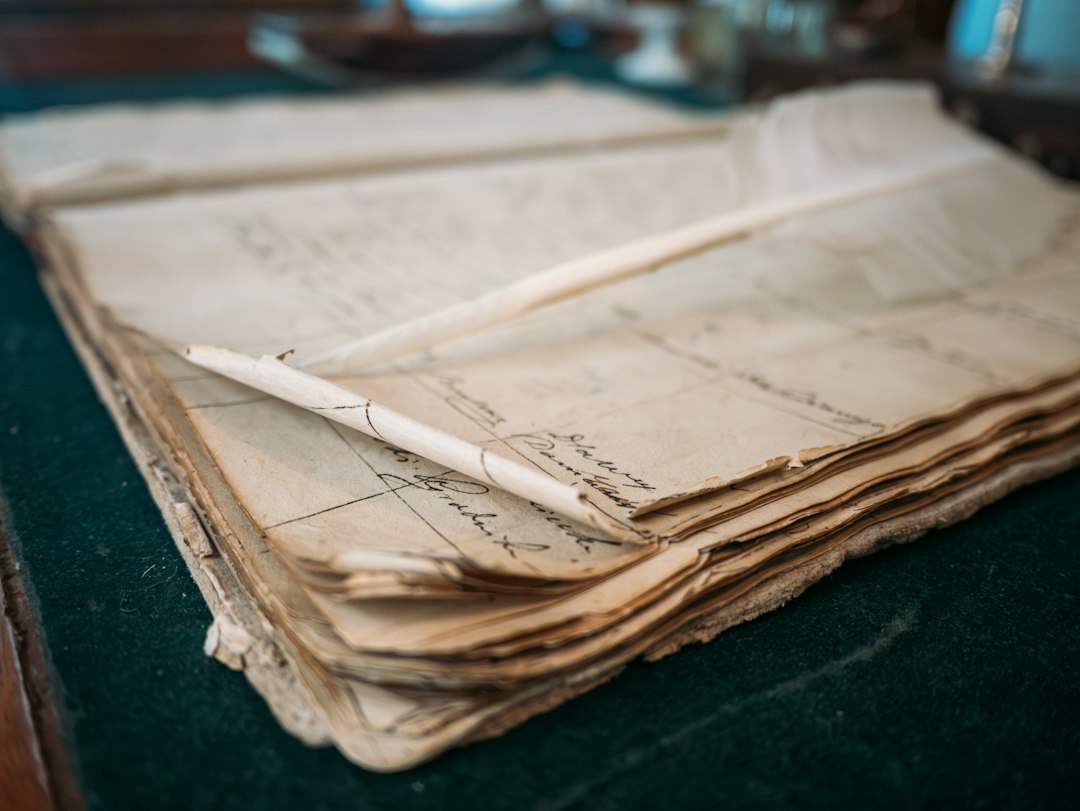
Ttrpg mystery timeline template is the practical question behind this guide. A TTRPG mystery timeline is most useful when it separates the truth of what happened from the information the players have discovered. Instead of scripting when the group must find each clue, write a stable sequence of events and let their investigations enter that sequence from any direction. That gives improvisation a firm factual base without turning a mystery into a railroad.
Write the real sequence first
Record five to eight events in the order they actually occurred, even if nobody witnessed them. Include the crime, preparation, movement of objects, messages sent, and aftermath. Give each event a time and place, then note which person could know about it. The GM’s private version is a reference, not a story the players must hear chronologically.
Use separate columns for fact and belief
The mayor’s clerk entered at dusk is a fact only if your scenario establishes it. The party’s theory that the clerk stole the seal is an interpretation. Keep those columns apart. When someone produces new evidence, update the party’s knowledge without silently rewriting the underlying event. This preserves fair deduction even when players pursue an unexpected suspect.
Build alibis around activities rather than clocks
A witness may remember the bakery closing bell, the last ferry departure, or a rainstorm more clearly than an exact minute. Those anchors are easier to present in dialogue and less brittle than a precise schedule for every NPC. Write what each witness actually observed, what they inferred, and why a sincere account might still be incomplete.
Let investigations reveal the same event in different ways
A missing dispatch can be established by the courier ledger, a recipient’s complaint, or an empty sealed pouch. These clues do not need to be identical. They offer different perspectives on the same past event, so the group can reach the important conclusion even if they miss one route. Consider which plausible actions would uncover useful evidence.
Keep the future timeline flexible
Write one or two developments that occur if nobody intervenes: a witness plans to leave, or a suspect retrieves an incriminating item. These are pressures, not mandatory scenes. When characters interfere, change the schedule openly in your GM notes. Future events belong to an evolving situation; past events should remain coherent.
Show players only a clean public board
A shared timeline can list confirmed dates, witness statements labeled as claims, and questions still unanswered. Avoid posting GM-only motives or secret appointments. Leave uncertain entries marked with a question mark and invite the group to rearrange its theories. A visible record reduces memory load, especially across sessions.
Worked example: put the idea into practice
In Bellport, a sealed city ledger disappeared between the evening bell and the night ferry. The private timeline says a clerk moved it at sunset, a guard saw a wrapped bundle at dusk, and a ferry worker noticed wet ink after the bell. Players first suspect the guard. They question the ferry worker, then inspect the ledger room’s damp windowsill, and discover the clerk’s earlier visit. The order of discovery changes, but the sequence itself stays dependable.
A five-point checklist you can reuse
- What happened before the characters arrived?
- Which entry is known only to the GM?
- Can two different clues reveal the crucial connection?
- Which witness may be honestly mistaken?
- What future event changes if players intervene?
Common mistakes and how to revise
Start by asking whether your design has a clear consequence for an ordinary person. If the answer depends on a secret explanation nobody can discover, bring the cause into the setting through a visible routine, object, or decision. Avoid adding complicated mechanics merely to make the idea seem serious. A useful draft tells a reader or player who wants something, what makes that difficult, and which choice could change the outcome.
Frequently asked questions
Should every clue have a timestamp?
No. Include approximate times only when chronology changes the deduction. Otherwise a sequence such as before the ferry or after the bells is enough.
Do I need special software?
No. A notebook, spreadsheet, or index cards work. The separation of truth, observed evidence, and theory is more valuable than the tool.
Build on related Kobold’s Rest guides
For the surrounding context, see our guides to running a mystery without one mandatory clue and a player-facing suspect board. Those related pieces develop a different part of the same problem, so you can expand your project without repeating the whole explanation.
The strongest version of this idea remains useful after the first surprising reveal. Write down what changes, who remembers it, and which choice the characters can make next. If you can answer those questions in a sentence, the setting or scene will have enough structure to move forward without forcing a single outcome.