Fantasy Festival Games for TTRPGs: Contests That Matter
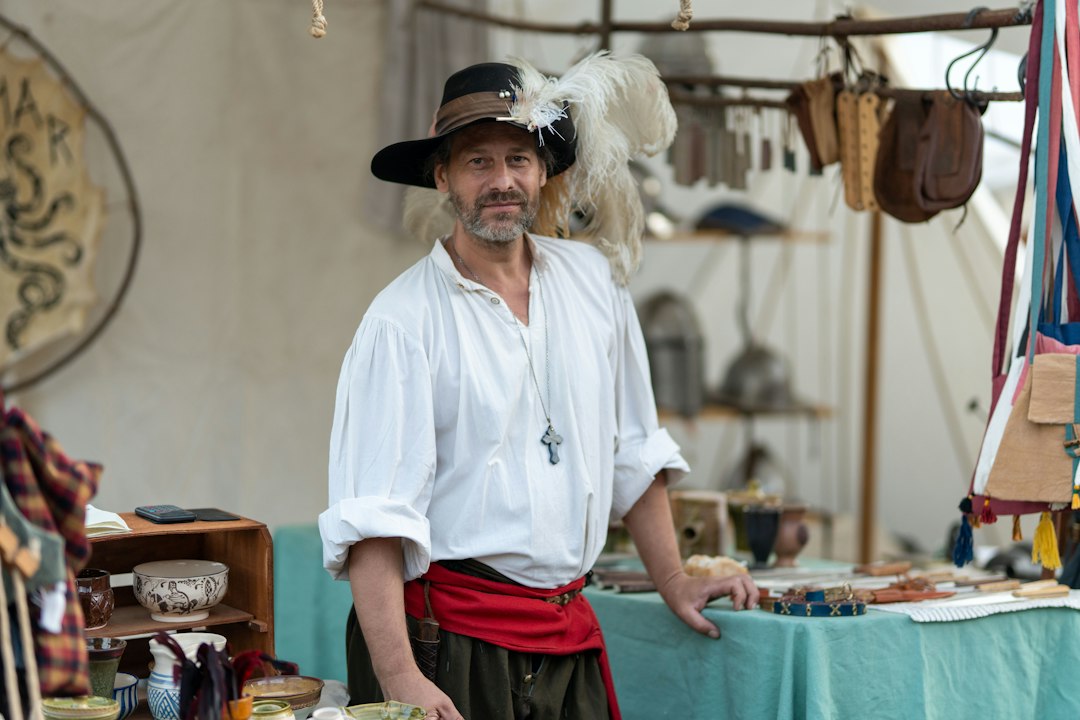
Fantasy festival games offer a way to show a town’s culture while giving players low-stakes decisions that matter. A fair need not be a sequence of random skill checks for small prizes. The strongest activities reveal local work, rivalries, social values, and the people the adventurers might meet again.
For the cultural foundations, see our seasonal fantasy festivals worldbuilding guide. These are practical contests and TTRPG encounters you can introduce at the table.
Make competitions grow from local livelihoods
A fishing port might compete at net mending; a mountain pass town could stage pack-loading races; a farming village may crown a harvest storyteller. Local work gives each contest an identity and makes prizes believable. Describe what competitors actually do, how spectators participate, and what behavior earns respect.
Game 1: The lantern relay
Teams carry a lit lantern along a crowded market route without extinguishing it. The GM introduces changing weather, a collapsed stall, and a rival team offering a shortcut. A character can run, shield the flame, direct spectators, or help somebody who trips. Winning earns the honor of lighting the town beacon; showing kindness can earn a different kind of prestige.
Game 2: The disputed market weight
Contestants guess the weight of sealed sacks before an official balance confirms the result. Then the scale reads differently for two identical loads. The party can compete, investigate, persuade the judge to retest, or defend a merchant unfairly accused of cheating. The event teaches something about trade, tools, and trust.
If coins and measurements matter in your setting, our fantasy currency guide offers useful social complications.
Game 3: The courier’s maze
Teams deliver three messages to stalls across the fairgrounds. One lane has been closed for repairs, and a stallholder has moved. Players who ask locals for information may outperform characters who rely only on speed. The winner receives free courier service on a future journey, creating a useful NPC connection.
Game 4: The storyteller’s two truths
Each entrant presents a real local event and an embellished one; the crowd tries to guess which is which. Shy players can simply describe their character’s story instead of acting it out. A proud elder may correct a detail; an outsider might reveal an uncomfortable fact; an old family feud could reappear.
Game 5: The rope rescue
The ferry association stages a rescue drill across a narrow stream. Teams must coordinate rope work and communication. When a line snaps, the competitors choose whether to finish for points or help reset the equipment. This is an opportunity for teamwork and priorities, not necessarily a combat encounter.
Make contests inclusive
Offer roles for spectators, crafters, organizers, negotiators, and people who dislike public performance. Let characters sponsor competitors, translate instructions, watch for tampering, or help a nervous child. If a task uses dice, announce what failure changes before the roll; embarrassment should not be the automatic punishment for every unsuccessful check.
Give each contest an NPC with a private reason to care
The defending champion needs prize money for a sibling. The judge hopes the two feuding families finally share a table. A traveling performer wants an introduction to the mayor. These goals turn one-night minigames into relationships that can return later.
Don’t end every competition with an assassination attempt. A small disagreement about tradition can provide a satisfying scene, especially in a campaign that values local stakes.
Run an evening in three beats
Begin with one voluntary contest. During the activity, reveal a specific social tension such as a missing prize, a disputed rule, or an excluded worker. End with a choice about supporting someone, exposing a problem, or preserving the event. Leave space for a joyful conclusion even if not every dispute is resolved.
Festival game design checklist
- What local work or value inspires the activity?
- What can players understand in one sentence?
- What is the prize or public recognition?
- What creates a fair complication?
- Who cares about the result and why?
- How can noncompetitors meaningfully participate?
Build two or three good activities rather than ten disposable rolls. A memorable fair should make players understand the town better than they did when they arrived.