Faction Clocks for TTRPGs: Make Your Campaign World Move Between Sessions
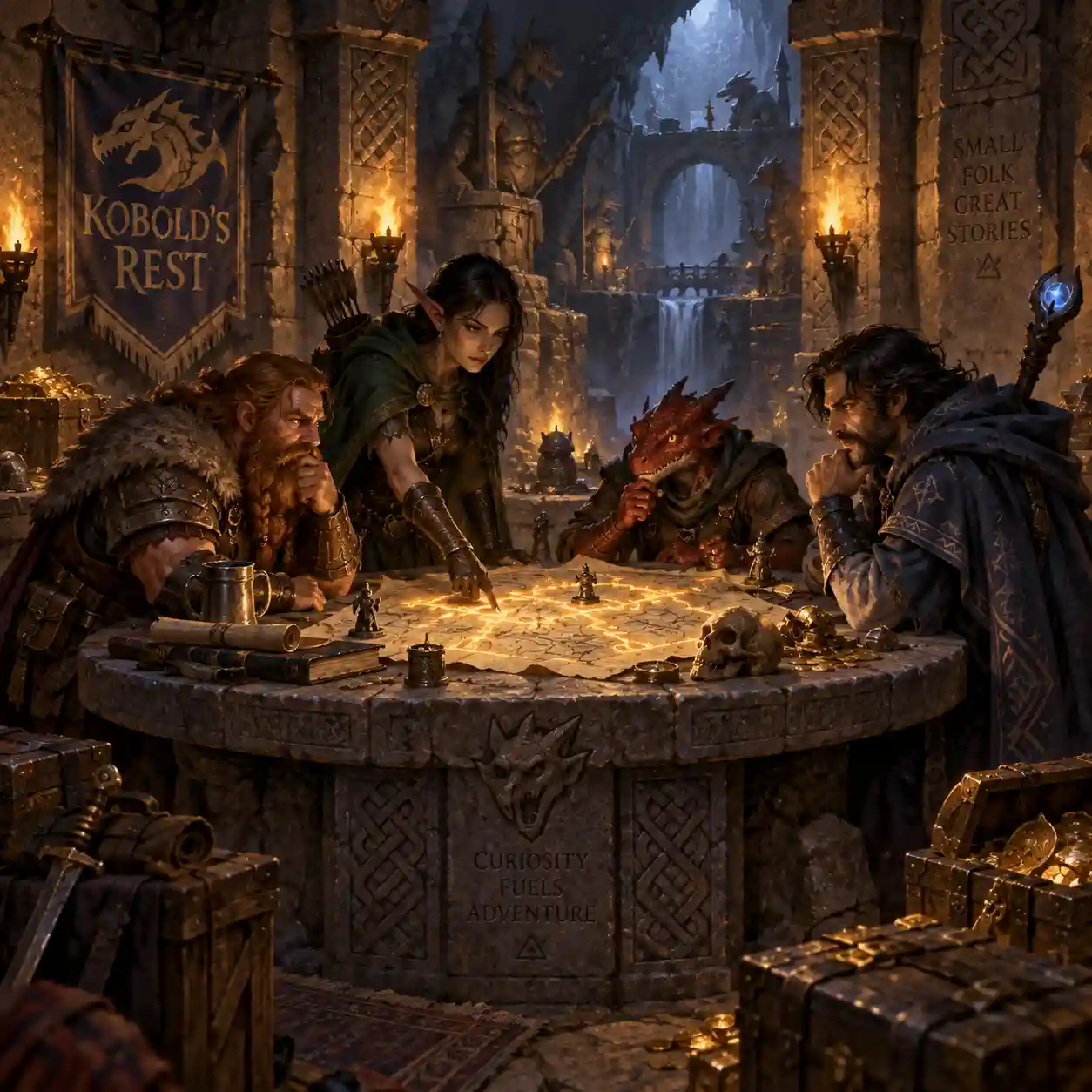
TTRPG faction clocks are one of the simplest ways to make a campaign world feel like it keeps moving when the players are looking elsewhere.
A faction clock is just a goal divided into a small number of steps. Each time the faction makes progress, you fill a segment. When the clock fills, something changes in the world.
Start With One Goal Per Faction
Do not track everything a group could possibly want. Pick the goal that matters to play right now: gain control of the docks, expose a rival, finish a forbidden excavation, win the council vote, or open a trade route.
A good clock has a visible result. “Become stronger” is vague. “Control the three river gates” gives you scenes, rumors, and consequences.
Use Short Clocks for Active Problems
Four to eight segments is usually enough for campaign use. A short clock creates urgency. A longer one signals that the goal will take sustained effort.
The exact number matters less than consistency. Players should be able to understand that some plans are close to completion while others are still developing.
Advance Clocks Between Sessions
At the end of a session, look at the factions that are currently relevant. Ask three questions:
- Who gained an advantage?
- Who lost time or resources?
- Who was ignored long enough to make progress?
You do not need to advance every faction. Two or three active groups are usually plenty.
This pairs naturally with the advice in what to do when players ignore the main quest. The world can react without forcing the party onto a predetermined path.
Show Progress Through Fiction
A clock should not live only in your notebook. Let players notice the world changing.
A faction controlling the docks might replace guards, raise fees, repaint signs, or make certain goods scarce. A secret society nearing its goal might create unusual rumors, missing records, or nervous officials.
The clock tells you when progress happens. The fiction tells the players what that progress means.
Decide Which Clocks Are Public
Visible threats can use visible clocks. If everyone knows the coronation is approaching, showing the countdown can create useful pressure.
Hidden plans work differently. You can keep the actual clock secret while revealing evidence of progress. Players may not know that the smugglers are at five of six segments, but they can notice that three warehouses have changed ownership.
Let Player Actions Push Clocks Back
Faction clocks should respond to the party. If the players expose a scheme, recruit an ally, or remove a key advantage, reduce or pause the clock when it makes sense.
This keeps clocks descriptive rather than mechanical fate. They represent what is happening, not what must happen.
Connect Factions to Each Other
The best faction clocks create collisions. If the Harbor Guild gains control of the river gates, the smugglers lose access. If the temple secures public support, the old noble house may change tactics.
You can get an entire campaign arc from three factions whose goals cannot all succeed.
A Tiny Example
Suppose the Ashen Company wants to monopolize caravan protection. Give them a six-segment clock: Control the North Road.
Each segment changes something: they recruit local guards, discredit a rival, secure a toll station, buy an inn, intimidate independent guides, then finally control the route.
Now every tick creates material the players can discover while traveling. That also makes the techniques in making TTRPG travel interesting easier to use.
Track Less, Reveal More
You do not need twenty factions and a spreadsheet. Start with three groups, one goal each, and a handful of segments.
Advance only the clocks that matter. Then turn every tick into something the players can see, hear, or feel. That is enough to make the campaign world seem busy long after the session ends.

3 Comments