TTRPG NPC Promise Tracker: Remember Debts and Favors
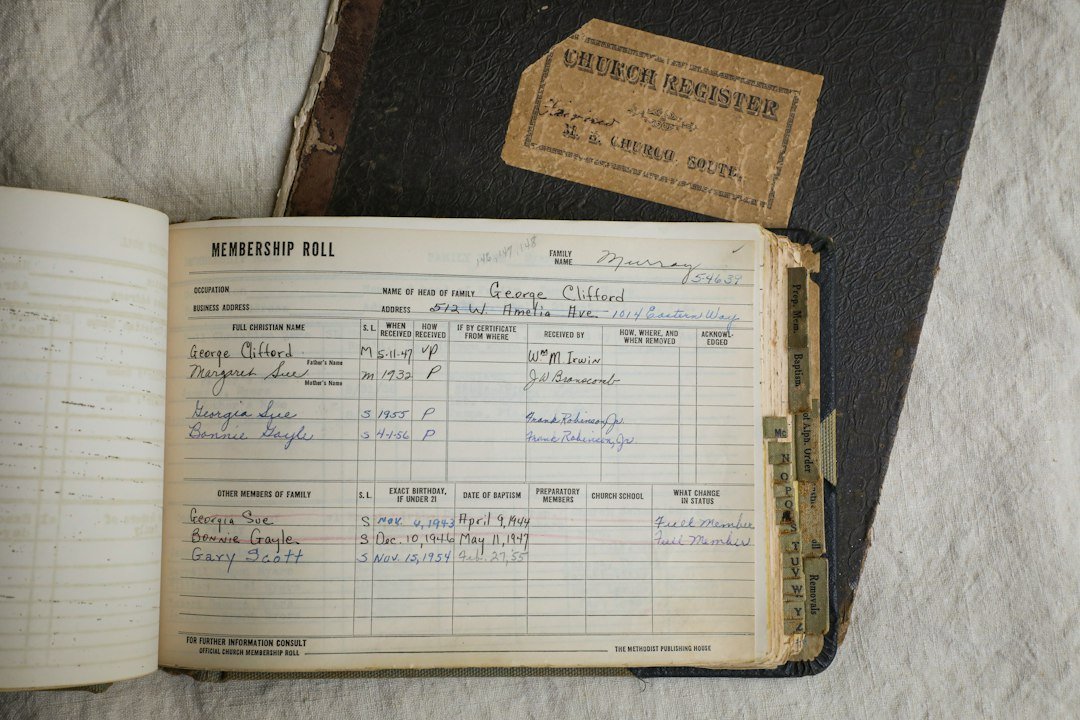
A TTRPG NPC promise tracker solves a small but persistent Game Master problem: characters make deals, offer help, and promise to return, then everyone forgets the details three sessions later. You don’t need a complicated relationship simulator. A single list of clear commitments can help NPCs respond consistently while giving players the pleasure of seeing their choices matter.
Record promises, not every conversation
Only track a statement if someone expects an action in the future. ‘We should visit again’ may be pleasant color; ‘Bring the widow’s rent receipt to the guild office by next market day’ is a promise worth keeping. Write the commitment in the words the NPC understands, not a vague summary such as ‘Party helped merchant.’ The exact object and deadline are what create useful play later.
For obligations between large organizations, our faction debt ledger is a better fit. This page focuses on individual NPCs: the smith, courier, librarian, or friend who needs one remembered commitment.
Use six fields on a small tracker
| Field | Example |
|---|---|
| Person | Toma, ferry keeper |
| Promise | Bring his sister’s parcel to Oak Reach |
| Who owes whom | Party owes Toma a delivery |
| When it matters | Before the next river freeze |
| Current state | Open / changed / fulfilled / broken |
| Visible effect | Toma offers free passage if completed |
Keep the effect proportionate. A small delivered parcel may earn a favor, information, or friendly recognition rather than a permanent lifetime discount. An unmet promise should change the relationship according to its significance. Forgetting a casual favor is not the same as abandoning someone at a dangerous crossing.
Worked example: the baker’s missing flour
A party promises baker Sela that they will ask the miller about a missing flour shipment. At session end, the GM records the promise with a soft deadline: before next market day. Two sessions later the group returns to town without investigating. Sela doesn’t attack them or close every shop in anger; she asks whether they learned anything. If they admit they forgot, she may still help them, but she no longer assumes their assurances are reliable.
If players did investigate but found nothing, Sela appreciates the effort and shares a rumor she had withheld. If they discover the flour was diverted to an emergency kitchen, the problem becomes a negotiation rather than a simple theft. The tracker allows three different outcomes with very little prep.
Make deadlines fair and visible
NPCs should remind characters of important commitments before a missed date becomes irreversible. A letter arrives, a messenger visits the inn, or the party hears a familiar name on the town’s notice board. This is especially important when real-world sessions happen weeks apart. The characters may remember events that the players reasonably forget.
Put a simple date beside each promise. For campaigns with active travel and downtime, use the TTRPG campaign calendar to establish when the next market day or festival actually occurs. A deadline only creates fair pressure when time can be understood.
Track promises made by NPCs too
Don’t make the ledger a one-way list of player obligations. If a guard promises to warn the party before the gate closes, track it. When the guard keeps the promise, players learn they can trust that person. When external circumstances prevent it, let the guard explain or make amends. Broken NPC commitments are often better hooks than arbitrary betrayals.
Decide whether the NPC had the power to fulfill what they offered. An apprentice promising access to a locked archive may genuinely want to help but lack permission. That creates a believable complication and a chance for the party to propose another route.
Use four statuses, not a reputation score
Open means the promise remains active. Changed means both parties agreed on new terms. Fulfilled means the agreed action happened. Broken means the commitment won’t be met as promised. A broken promise can later be repaired, but keep the history in one short note. This preserves continuity without tracking emotional points.
Keep broad trust and faction politics separate. Our TTRPG relationship map shows who is connected; the promise list remembers exactly what they agreed to do. One can refer to the other, but neither has to contain every detail.
Give a promise one clear consequence
The effect may be practical: a future introduction, access to a workshop, a repaired tool, or help finding shelter. It may also be emotional: a relative starts treating the party as dependable, an NPC asks for a smaller favor next time, or a frightened witness becomes willing to speak openly. Avoid making every completed errand yield money. Continuity is itself a reward.
Equally, don’t punish the party for failing a promise that was never clearly accepted. Ask players, ‘Are you agreeing to bring this back?’ and write it down only if they say yes. That small question protects agency.
Copyable one-page NPC promise tracker
- NPC: __________
- Promise, in plain language: __________
- Owed by / owed to: __________
- Deadline or condition: __________
- Reminder clue: __________
- Status: open / changed / fulfilled / broken
- What changes afterward: __________
- Last session mentioned: __________
Two ways to use it without slowing the game
At the end of the session, ask for one minute: ‘Did anyone make a promise worth remembering?’ Let players name the commitment. Before next session, skim only open promises connected to the planned locations. You do not need to review promises owed to people who are half a continent away.
If the list gets crowded, archive fulfilled entries after the party sees the outcome. Keep one-line relationship notes for especially meaningful history. Your goal is a living setting that remembers choices, not an accounting system that demands constant upkeep.